Across Africa, major sporting events are no longer viewed simply as entertainment. Governments, investors and sports administrators are increasingly using them as tools to attract investment, create jobs, boost tourism and improve infrastructure. From international football tournaments to marathons and basketball competitions, the continent is discovering that sport can be a powerful driver of economic growth when managed with a long term vision.
The global sports industry is estimated to be worth more than $600 billion, and African countries are positioning themselves to claim a larger share of that market. While Europe and North America continue to dominate broadcasting rights and commercial revenues, several African nations are proving that hosting world class sporting events can stimulate local economies and strengthen their international image.
Morocco Bets Big on the 2030 FIFA World Cup
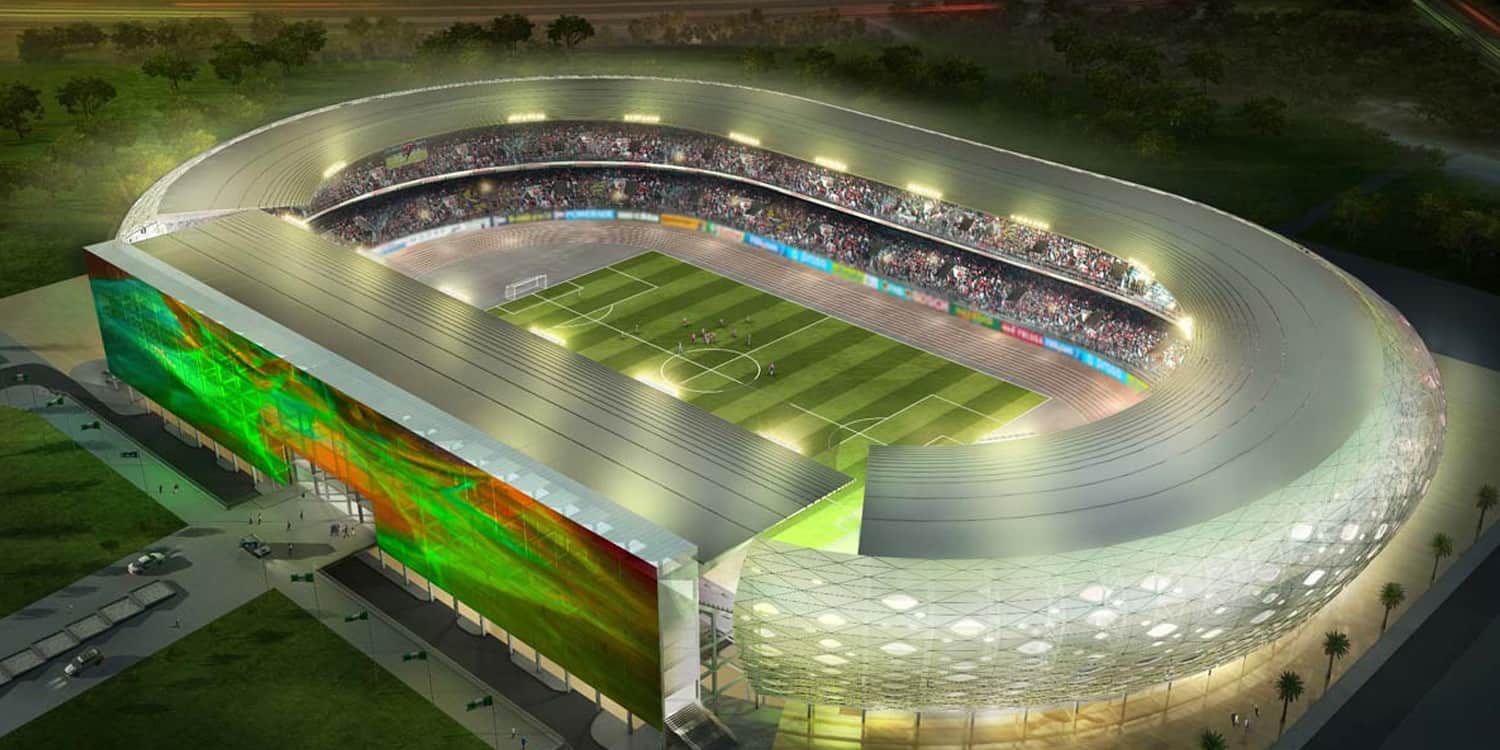
Morocco is leading this new approach. The country is investing heavily ahead of the 2030 FIFA World Cup, which it will co host with Spain and Portugal. The Moroccan government plans to spend approximately 190 billion Moroccan dirhams, equivalent to about $20 billion, on infrastructure projects linked to the tournament.
The investment goes far beyond football stadiums. New airports are being expanded, railway lines are being upgraded, roads are being modernised and thousands of new hotel rooms are being built to accommodate the millions of visitors expected during the competition.
Tourism Minister Fatim Zahra Ammor has repeatedly said the World Cup should be viewed as an economic accelerator rather than a one month sporting event. Morocco welcomed almost 20 million tourists in 2025, and the government hopes to increase that figure to 26 million visitors annually by 2030.
Officials believe the tournament will create thousands of jobs in construction, hospitality, transport, technology and tourism while improving infrastructure that will continue serving citizens long after the competition ends.
Rwanda Uses Sport to Build Its Global Brand
Rwanda has adopted a different strategy by positioning itself as one of Africa’s emerging destinations for international sporting events.
Over the past few years, Kigali has hosted major basketball tournaments, cycling competitions and continental meetings. The BK Arena, which opened in 2019, has become one of Africa’s most modern indoor sporting venues and regularly hosts international basketball games, concerts and conferences.
The country has also become home to the Basketball Africa League, a competition launched in partnership with the NBA and FIBA in 2021. The league has attracted teams from across the continent while bringing international broadcasters, sponsors and tourists to Rwanda.
President Paul Kagame has consistently argued that sport can strengthen tourism, create employment and improve Rwanda’s global reputation. The country’s investment in sports is closely linked to its wider strategy of becoming a conference, business and tourism hub for East Africa.
South Africa Continues to Benefit from Sporting Legacy
South Africa remains one of Africa’s strongest examples of how sport can influence economic development.
The country hosted the 2010 FIFA World Cup, becoming the first African nation to organise football’s biggest tournament. More than a decade later, many of the stadiums, transport improvements and tourism facilities developed for the event continue to support local economies.
South Africa also hosts major international competitions in rugby, cricket, golf, athletics and football, attracting thousands of visitors every year.
Cities such as Cape Town, Johannesburg and Durban have built strong reputations as sporting destinations, with events generating business for hotels, airlines, restaurants and entertainment companies.
Although some stadiums have struggled with maintenance costs, many economists believe the improvements in transport, tourism and international visibility created lasting benefits for the country.
Marathons Become Economic Engines
Road races and marathons are also becoming valuable economic assets across Africa.
The Cape Town Marathon, now recognised as one of Africa’s premier long distance races, attracts elite athletes and amateur runners from dozens of countries every year. Visitors spend money on accommodation, transport, restaurants and local attractions, creating significant income for businesses.
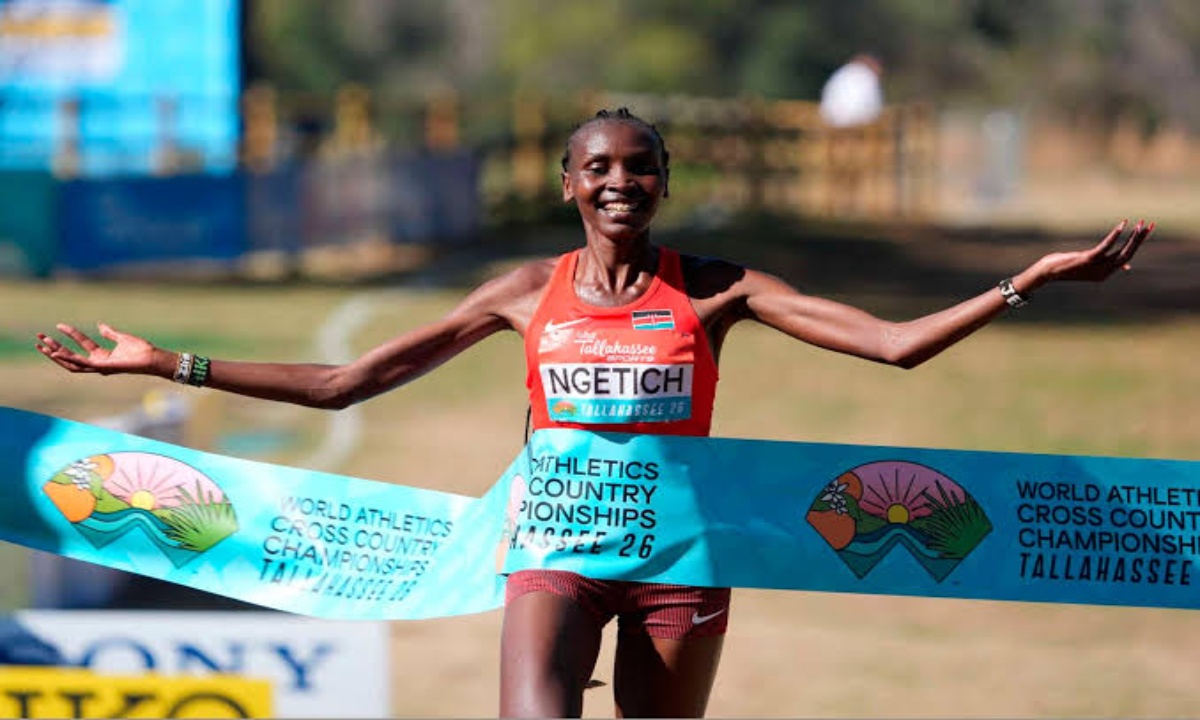
In Kenya, long distance running has become both a sporting tradition and an economic sector. International competitions featuring Kenyan athletes have generated sponsorship deals, sports tourism and investment in training centres around towns such as Eldoret and Iten, which are now recognised globally for producing world class runners.
Ethiopia has experienced similar success through athletes like Tigist Assefa, Tamirat Tola and the legendary Haile Gebrselassie, whose achievements have helped promote the country’s sporting reputation while inspiring investment in athletics development.
Broadcasting and Digital Media Create New Revenue
The growth of digital technology is changing how sporting events generate income across Africa.
Traditional television remains important, but streaming platforms, social media and digital broadcasting have opened new opportunities for leagues, clubs and event organisers.