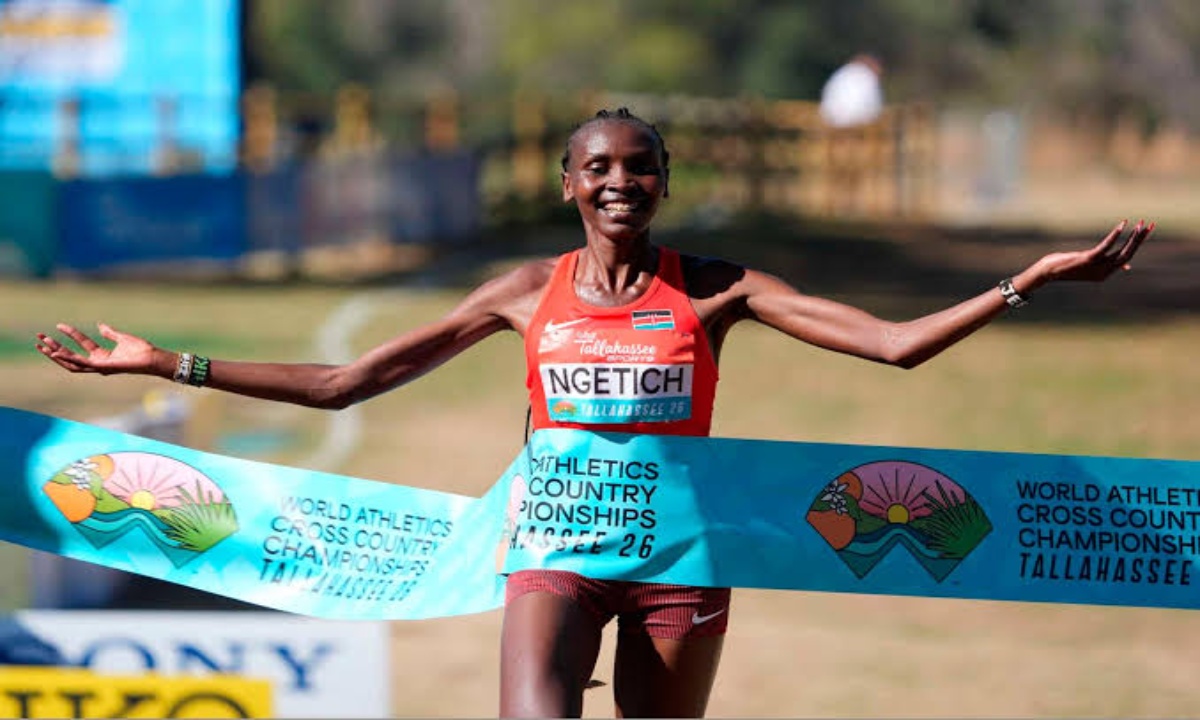
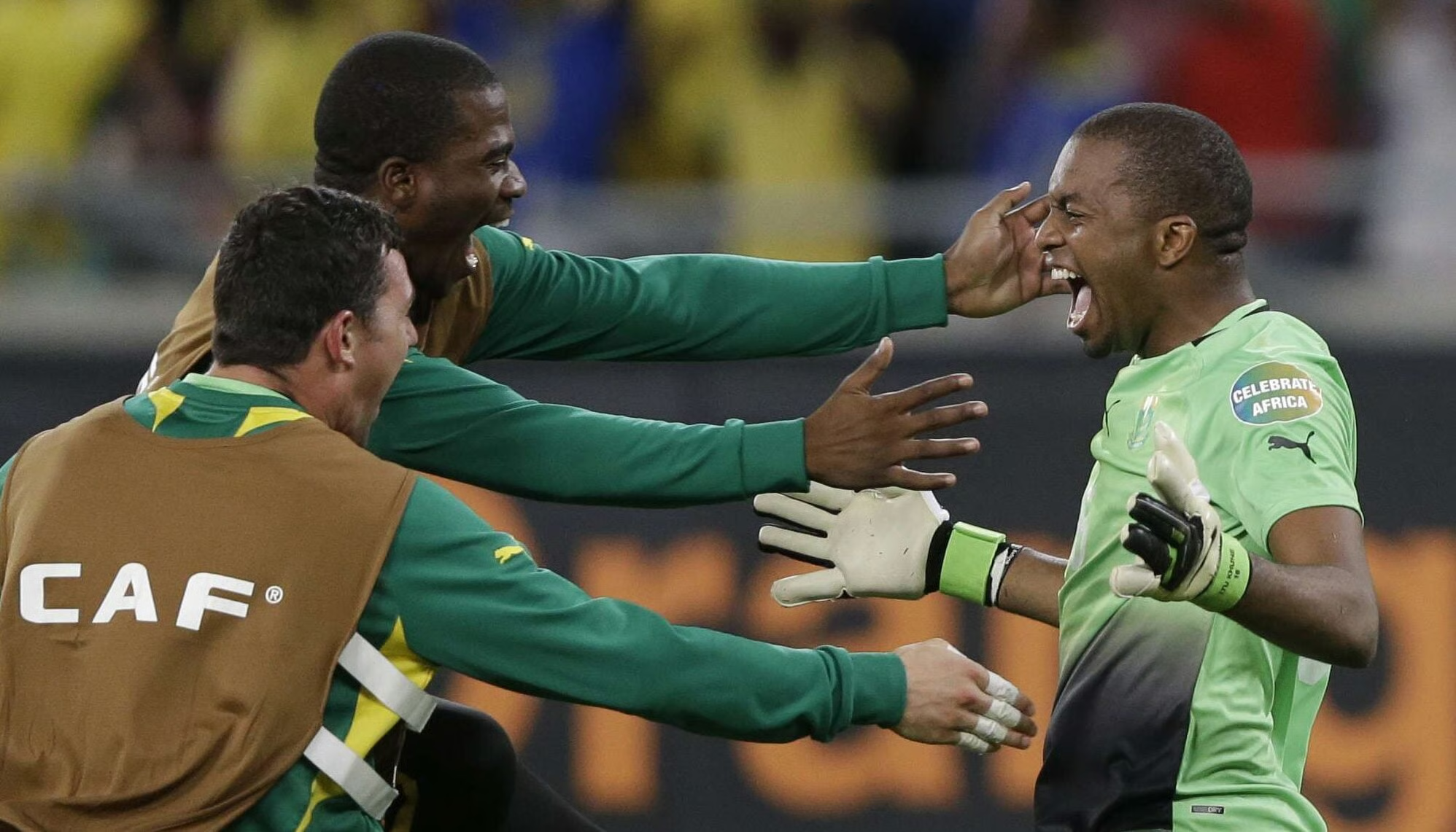
African sports is entering a new commercial era as governments, private investors, brands and international organisations increasingly recognise the economic potential of the continent’s young population and deep passion for competition. For decades, African sport was celebrated mainly for producing exceptional athletes, but today the conversation is shifting toward how sports can become a major industry that creates jobs, attracts investment and supports economic development.
From football and basketball to athletics and combat sports, Africa’s sports ecosystem is attracting new attention. The challenge now is whether the continent can build strong business structures around its talent or continue exporting its best athletes while others capture most of the financial value.
A Continent Rich in Talent but Historically Poor in Sports Investment
Africa has always produced world class athletes.
The continent has given the world some of the greatest footballers, runners, boxers and basketball players in history. Names such as Samuel Eto’o, Didier Drogba, Eliud Kipchoge, Hakeem Olajuwon, Carmelita Jeter, Francis Ngannou and many others have demonstrated Africa’s sporting ability on the global stage.
However, talent alone has not been enough to create a strong sports economy.
For many years, African athletes developed in local environments before moving abroad, where they found better facilities, higher salaries and stronger professional systems.
This created a situation where Africa produced the talent, but international markets captured much of the economic value.
That model is now beginning to change.
Private Investment Changing African Sport
One of the biggest developments in African sport has been the growing involvement of private investors.
Business leaders are increasingly seeing sports not only as entertainment but as an economic opportunity.
In football, investors such as Patrice Motsepe have demonstrated how professional management can transform clubs. His investment in South Africa’s Mamelodi Sundowns turned the club into one of Africa’s most successful football organisations, with strong facilities, competitive teams and a recognised brand.
In basketball, the creation of the Basketball Africa League (BAL) has introduced a new model for professional sports development on the continent. Launched in 2021 through a partnership between the NBA and FIBA, the league has attracted sponsors, international attention and young African talent.
NBA President Adam Silver has repeatedly highlighted Africa’s importance as a future basketball market because of its population growth and athletic potential.
The BAL has created opportunities for players, coaches, media companies and businesses connected to the sport.
The Basketball Africa League Changing the Game
The Basketball Africa League represents one of the most ambitious sports projects in Africa.
The league brings together top clubs from across the continent and aims to create a professional basketball ecosystem similar to successful leagues in other parts of the world.
Teams from countries including Senegal, Egypt, Rwanda, Angola, Nigeria and South Africa have participated in the competition.
Rwanda has become a major supporter of the project, using the BAL to strengthen Kigali’s reputation as a sports tourism destination.
The BK Arena in Kigali has hosted major basketball events and positioned Rwanda as one of Africa’s emerging sports hubs.
The BAL demonstrates an important lesson:
African sport can attract international investment when it is professionally organised and commercially attractive.
Sports Tourism Becoming a New Opportunity
Many African countries are beginning to see sports as a way to attract tourists and strengthen national brands.
Morocco’s preparation for the 2030 FIFA World Cup is one example of how sports events can become part of a broader economic strategy.
Rwanda has also used sports events to promote tourism and investment.
The country has hosted international cycling competitions, basketball events and football tournaments as part of efforts to position itself as a destination for global sports.
South Africa remains one of the continent’s strongest sports tourism markets, benefiting from its experience hosting major events including the 2010 FIFA World Cup, which attracted global attention and improved infrastructure.
Sports tourism creates opportunities beyond stadiums.
Hotels, transportation companies, restaurants, media organisations and local businesses all benefit when international events come to a country.
The Media and Digital Revolution
Technology is also changing Africa’s sports business landscape.
For decades, African sports struggled because competitions had limited broadcasting reach.
Today, digital platforms are creating new possibilities.
Streaming services, social media and online content platforms allow African athletes and teams to reach global audiences without depending only on traditional television networks.
Young fans across Africa increasingly consume sports content through smartphones, YouTube, TikTok and other digital platforms.