
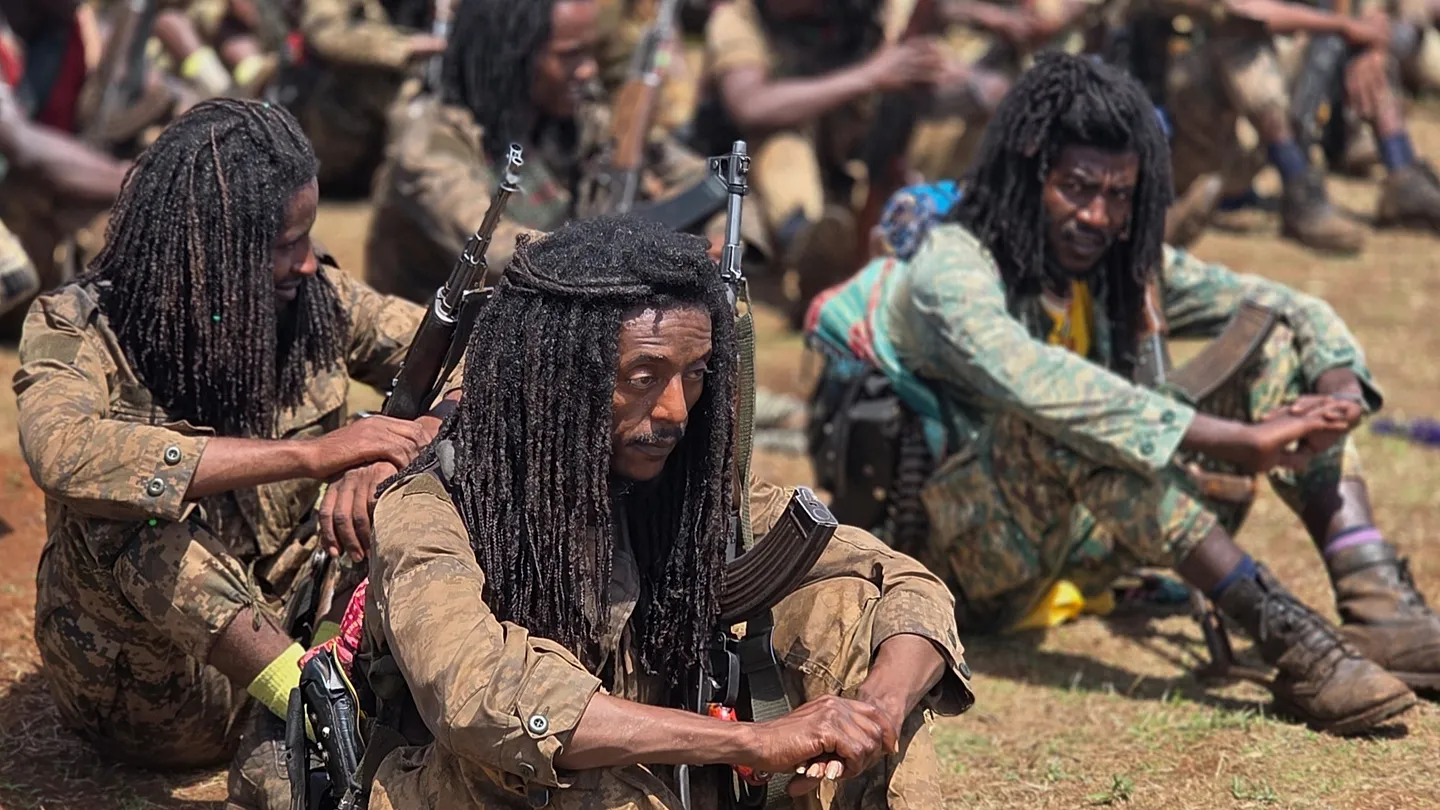
The African Union has called for immediate de-escalation and direct talks after renewed fighting in northern Ethiopia and the seizure of three civilian airports by Tigrayan forces. The African Union Commission said the developments around Mekelle, Axum and Shire risk undermining the fragile peace achieved after the 2020–2022 Tigray war.
AUC Chairperson Mahmoud Ali Youssouf expressed deep concern over the occupation of the airports, the detention of federal personnel by the Tigray People’s Liberation Front (TPLF) and the disruption of civilian air services. He urged all parties to exercise maximum restraint and immediately stop actions that could widen the confrontation.
Tigray’s Airport Seizures Raise Fresh Security Concerns.
The latest escalation centres on three airports in Tigray. The AU specifically identified Mekelle, Axum and Shire, while Ethiopian Airlines suspended scheduled flights to the three destinations because of the deteriorating security situation.
The developments come amid renewed military activity between Tigrayan and federal forces. Reports indicate that fighting has also intensified in parts of South Tigray and the Afar region, raising concerns that the confrontation could spread beyond Tigray.
The renewed violence is particularly significant because it threatens the peace process established after the devastating Tigray conflict. The war ended with the Pretoria Agreement, signed on November 2, 2022, under AU auspices.
AU Pushes for a Return to the Pretoria Agreement.
Youssouf said the Pretoria Agreement remains the foundation for achieving lasting peace, stability and reconciliation in Ethiopia. The AU considers the seizure and occupation of the airports inconsistent with commitments made under that agreement.
The AUC chairperson has therefore called for the immediate resumption of direct talks between the Ethiopian federal government and the TPLF within the framework of the Pretoria Agreement.
The AU has also asked neighbouring countries to avoid actions that could contribute to further escalation and instead support dialogue, confidence-building and de-escalation.



