
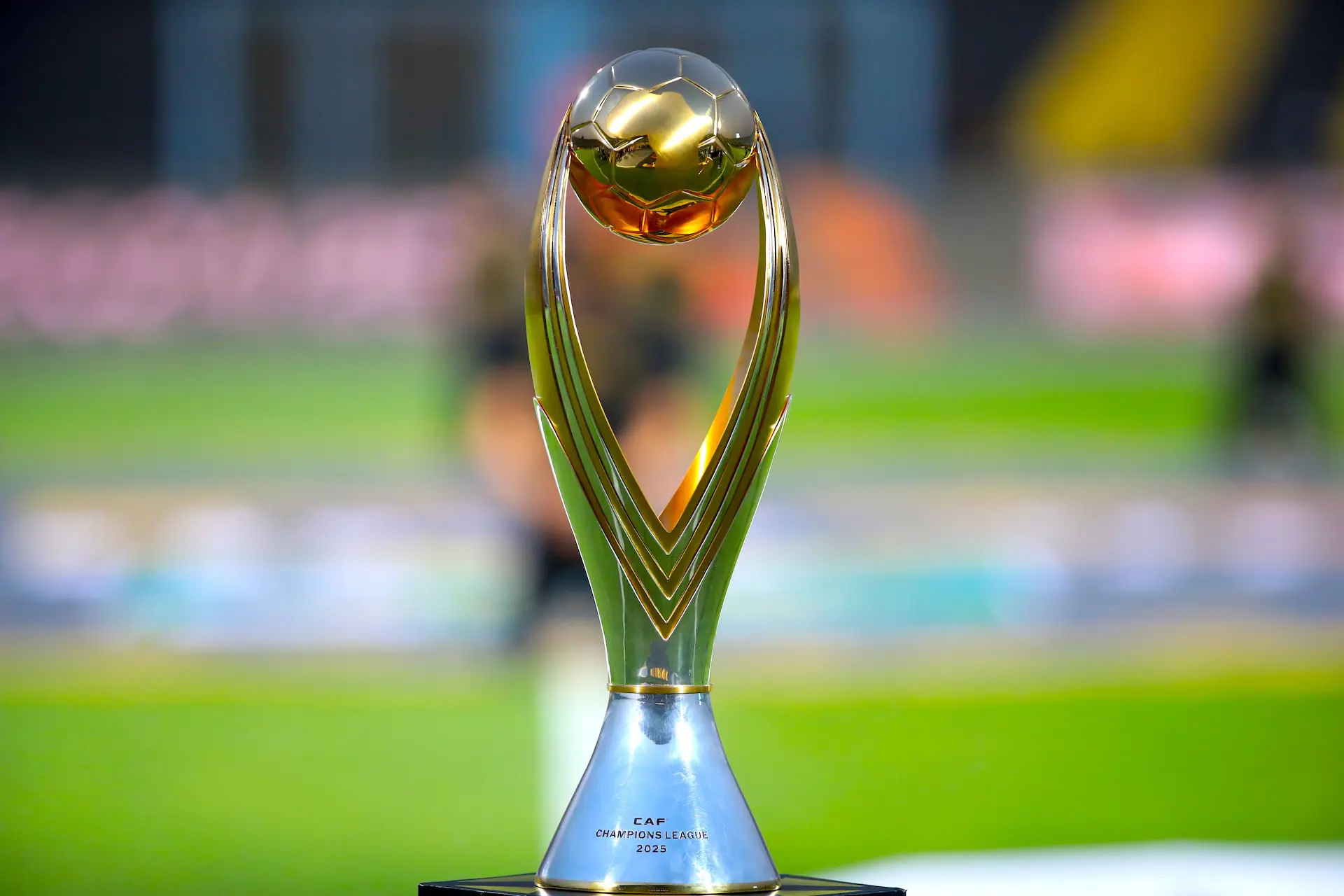
Africa’s biggest club competition gets underway.
The 2026/27 CAF Champions League has officially begun, with clubs from across Africa launching their campaigns in the first preliminary round as they chase the continent’s most prestigious club trophy.
The opening first-leg matches were played from September 4 to 6, with the decisive return fixtures scheduled for September 11 to 13. A total of 61 clubs entered this season’s competition, creating another demanding continental campaign in which every advantage could prove decisive.
For many clubs, the opening round represents the first step in a journey that could eventually lead to the group stage and, ultimately, the final in May 2027.
Defending champions wait in the second round.
Mamelodi Sundowns will not have to navigate the opening round. The South African champions, who lifted the trophy last season, were among three highest-ranked clubs given byes into the second preliminary round.
Tunisia’s Espérance Sportive de Tunis and Morocco’s Renaissance Berkane also received the same exemption, allowing the three continental heavyweights additional time to prepare for their campaigns.
Sundowns will face the winner of the first-round tie between Angola’s Wiliete and Seychelles side Foresters FC when they enter the competition.
The defending champions are therefore already positioned as one of the teams to beat, particularly after establishing themselves as one of Africa’s most consistent forces in recent continental competitions.
Several heavyweight clubs face early tests.
While the top three ranked teams wait, several other major African clubs have had to begin their campaigns from the first preliminary round.
Egyptian giants Zamalek faced Zanzibar’s KVZ, while Pyramids FC travelled to Kenya to face Gor Mahia. Tanzania’s Young Africans took on Botswana’s Gaborone United, while Simba SC faced Malawi’s Mighty Wanderers.
Former African champions TP Mazembe were drawn against Ghanaian club Medeama, while Sudanese giants Al Hilal began their campaign against Burundi’s Aigle Noir.
The early rounds therefore contain several potentially dangerous matchups in which established clubs cannot afford to underestimate less experienced opponents.
Early results show how competitive the continent remains.
The opening weekend has already demonstrated the unpredictability of African club football.
Several matches ended with narrow margins, while some ties remain finely balanced ahead of the return legs. A goalless draw between Gambia’s Medina United and Sierra Leone’s Star Sport Academy, for example, leaves everything to be decided in the second leg.
The opening results underline the importance of the two-legged format. Clubs must manage not only the quality of their opponents but also travel, pitch conditions, weather and the pressure of playing away from home.
For teams with ambitions of reaching the group stage, avoiding a damaging first-leg defeat can be just as important as securing a convincing victory.
The road to the group stage remains long.
The first preliminary round involves 58 clubs competing in 29 two-legged ties. The winners will join Sundowns, Espérance and Renaissance Berkane in the second preliminary round, creating a 32-team field.
The second-round first legs are scheduled for October 16 to 18, with the return fixtures taking place from October 23 to 25.
Only 16 clubs will ultimately emerge from that stage and secure places in the group phase.