
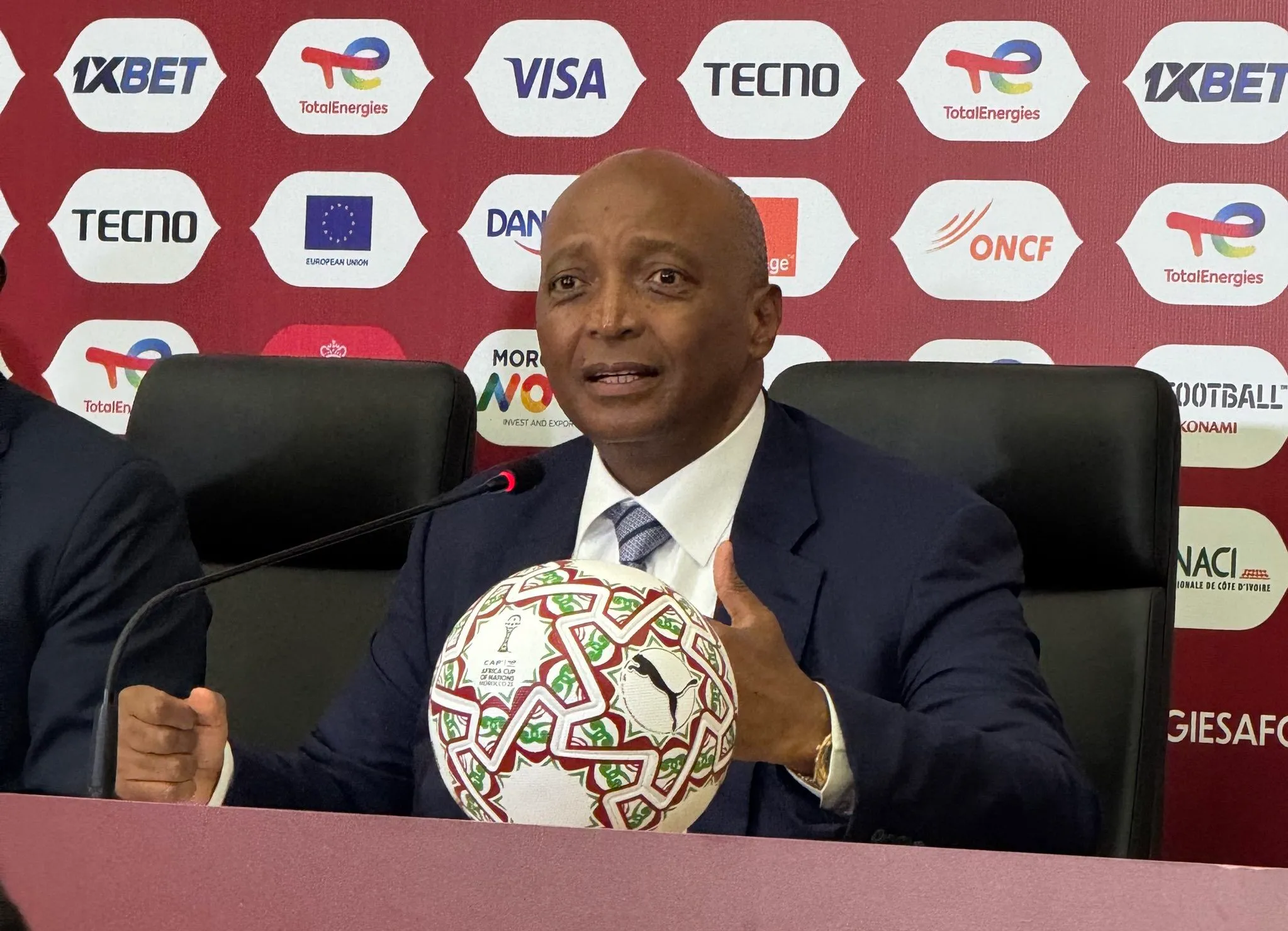
The Confederation of African Football (CAF) is facing fresh scrutiny after it emerged that the decision to change the Africa Cup of Nations (AFCON) from a biennial tournament to a four-year competition cost the organisation a commercial rights deal worth more than US$1 billion.
The revelation, published today, has reignited debate over one of the biggest decisions in African football history and raised questions about the financial trade-offs behind the move.
A Billion Dollar Opportunity Lost
According to the report, CAF was close to securing a commercial partnership valued at more than US$1 billion over eight years before deciding to restructure the AFCON calendar.
The commercial package had been built around the tournament being held every two years. Once CAF voted to switch AFCON to a four-year cycle beginning after the 2027 edition, the value of the proposed agreement dropped significantly because there would be fewer tournaments to market to broadcasters and sponsors.
As a result, CAF abandoned the original negotiations and launched a fresh bidding process for the commercial and marketing rights covering the 2028, 2032 and 2036 editions of the competition.
Why CAF Changed the Calendar
CAF President Patrice Motsepe has argued that moving AFCON to a four-year cycle will better align African football with the global football calendar and reduce scheduling conflicts with European leagues and FIFA competitions.
The change is also expected to give host nations more time to prepare infrastructure and improve the overall quality of the tournament.
Supporters believe the new format could make AFCON more commercially attractive over the long term, despite the immediate financial sacrifice.
Critics Question the Decision
The latest revelations have fuelled criticism from football administrators and analysts who argue that AFCON remains CAF’s biggest source of revenue and should not have been reduced in frequency.