
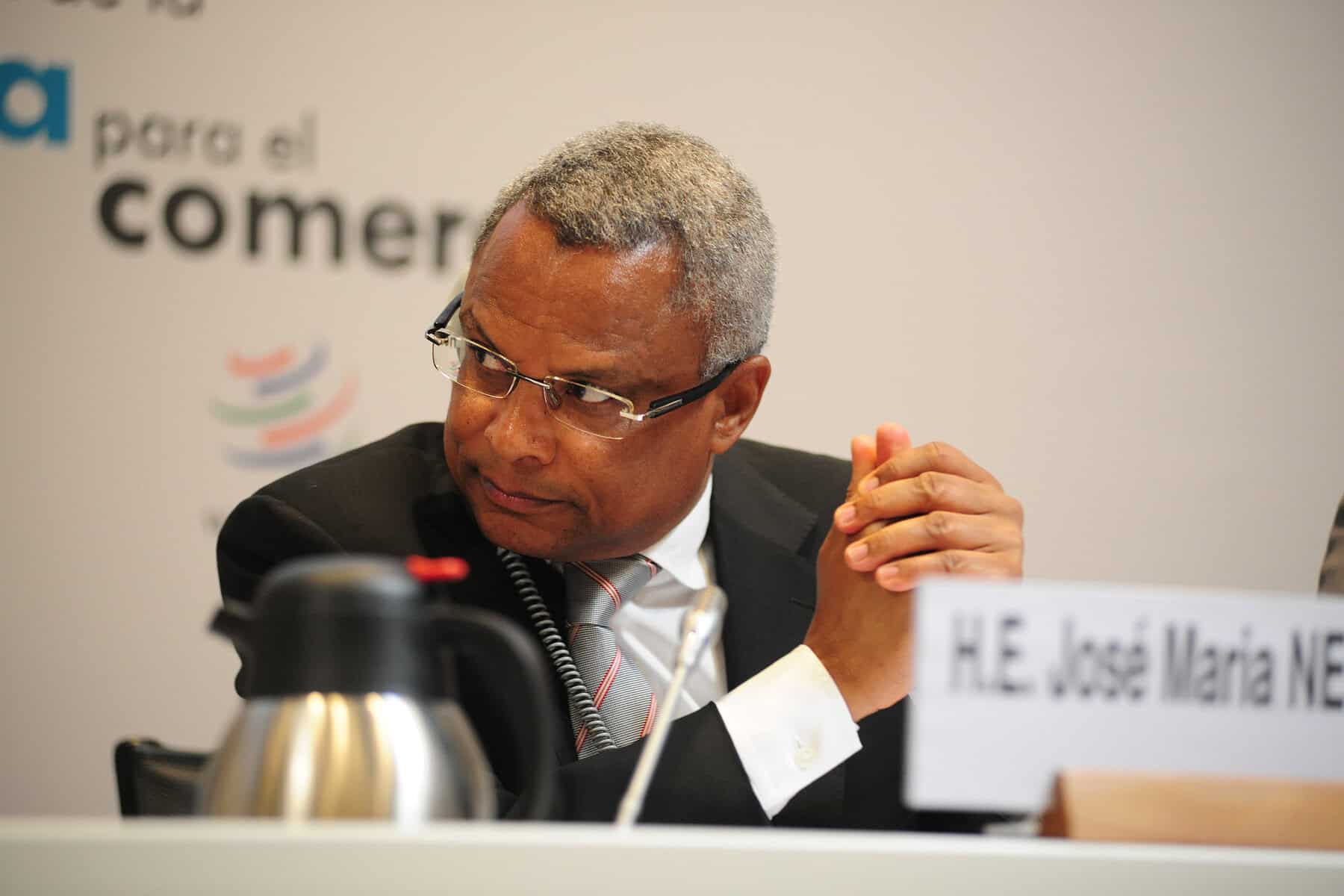
Cape Verde is heading into a new presidential contest after President José Maria Neves announced that he will seek a second five-year term in the country’s November 15 election. The decision puts one of West Africa’s most closely watched democratic systems into a new electoral phase, with Neves seeking to extend his presidency after first winning the position in 2021.
At 66, Neves is entering the race with decades of political experience. Before becoming president, he served as Cape Verde’s prime minister from 2001 to 2016 and previously led the African Party for the Independence of Cape Verde, or PAICV. His return to electoral politics for another presidential term therefore brings a familiar figure back to the centre of a contest that could test the political balance of the island nation.
The announcement also comes as a growing number of potential candidates prepare to challenge for the presidency. According to Africanews, nine people have already expressed their intention to run, although they must complete the required documentation and obtain approval from the Constitutional Court before becoming official candidates.
Neves Wants Five More Years.
Announcing his candidacy, José Maria Neves presented his decision as an attempt to build on the experience he has accumulated throughout his political career. He argued that some of the causes he has pursued cannot be confined to a single electoral cycle and called for continued efforts toward what he described as a prosperous future for Cape Verde.
The president is also seeking support from the PAICV, the political party he once led. However, Cape Verde’s presidential system gives candidates room to seek support beyond party structures, meaning the eventual contest could become a broader competition over personalities, national priorities and competing visions for the country’s future.
That distinction is important because Cape Verde has developed a political culture in which presidential elections can involve alliances that extend beyond traditional party boundaries.
A Democratic Reputation at Stake.
Cape Verde occupies a distinctive position in African politics. The Atlantic archipelago has frequently been recognised for its democratic stability, peaceful transfers of power and relatively strong institutions compared with many other countries on the continent.
That reputation gives the November election significance beyond the presidential contest itself. A competitive and credible election would reinforce Cape Verde’s position as one of Africa’s established democratic examples at a time when several countries across the continent are experiencing political instability, constitutional disputes or military intervention.
The election will therefore be watched not only for who wins but also for how the campaign develops, how candidates compete and whether the country’s institutions maintain public confidence throughout the process.
The Opposition Has a Wide Field to Navigate.
The emergence of several potential candidates could make the contest more unpredictable. With nine people already announcing their intention to run, the challenge for opponents of Neves will be to transform individual campaigns into a coherent alternative capable of attracting voters across the islands.
The president, meanwhile, will have to defend his record and convince voters that continuity offers greater benefits than a change in leadership. His long political career could be an advantage because of his experience, but it also means his administration will face scrutiny over decisions made during his first term.
For voters, the election could therefore become a referendum not only on Neves himself but on the direction Cape Verde should take over the next five years.
The Economy Will Be Central to the Debate.
Cape Verde’s economic model is heavily influenced by tourism, services, remittances and its strategic position in the Atlantic. Maintaining economic growth while reducing vulnerability to external shocks will remain an important challenge for whichever candidate wins the presidency.
The country also has to deal with the structural limitations created by its geography. As a small island nation with a population of roughly half a million people, Cape Verde cannot rely on the same industrial and natural-resource base available to larger African economies.
That makes issues such as tourism competitiveness, renewable energy, digital services, human capital, transport connectivity and international investment particularly important to the country’s long-term development.



