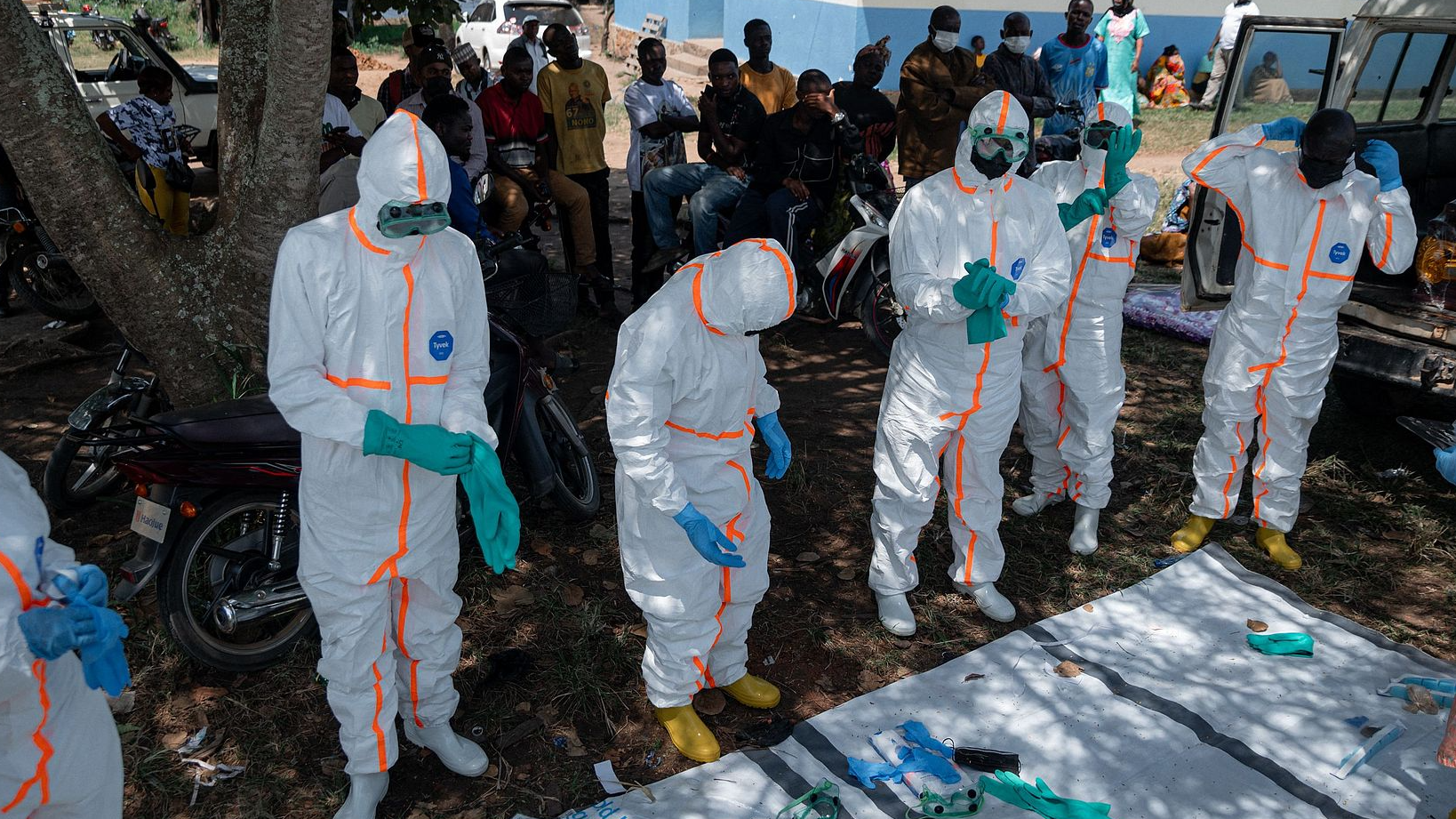
The Democratic Republic of Congo’s Ebola outbreak has crossed a major threshold, with confirmed infections rising above 8,000 for the first time as health authorities continue battling transmission across several provinces.
The country’s latest public-health situation report puts the number of confirmed Ebola cases at 8,067, with 3,901 deaths, as of September 26. The figures were reported on September 28, making this one of the most significant health developments in Africa’s current news cycle.
The Outbreak Has Spread Across Seven Provinces.
The outbreak, which is caused by the Bundibugyo species of Ebola virus, has now been reported across 63 health zones in seven provinces. Health authorities continue to report active transmission in parts of the country, while insecurity and population movement are complicating efforts to contain the disease.
The current outbreak has surpassed the previous largest Ebola outbreak recorded in the DRC, which occurred between 2018 and 2020. It is now the second-largest Ebola outbreak recorded globally, behind the 2014–2016 West Africa epidemic that infected more than 28,000 people and killed more than 11,000.
Why Bundibugyo Ebola Presents a Particular Challenge.
The outbreak is particularly difficult because it involves the Bundibugyo virus, rather than the Zaire species responsible for most of the Ebola outbreaks for which established vaccines and countermeasures have been developed.
The World Health Organization has previously said that evidence is not yet sufficient to recommend the Ervebo vaccine for routine use against Bundibugyo virus. WHO has recommended its use against the current outbreak only within a research protocol while clinical and epidemiological evidence continues to be gathered.
A clinical trial investigating possible treatments for Bundibugyo virus disease is also underway in affected areas of the DRC.
Health Workers Face Growing Pressure.
The scale of the outbreak is putting considerable pressure on the country’s already stretched healthcare system.