The Democratic Republic of Congo is taking a major step toward greater state control of its mineral wealth by tightening its grip on the geological data that determines where billions of dollars in future mining investment could flow.
Kinshasa is accelerating nationwide geological mapping, airborne surveys and the digitisation of historical records as it works to establish a comprehensive national geological databank by the end of 2026. The programme is being backed by a $180 million contract with Spanish geodata company Xcalibur and will cover more than 700,000 square kilometres of Congolese territory.
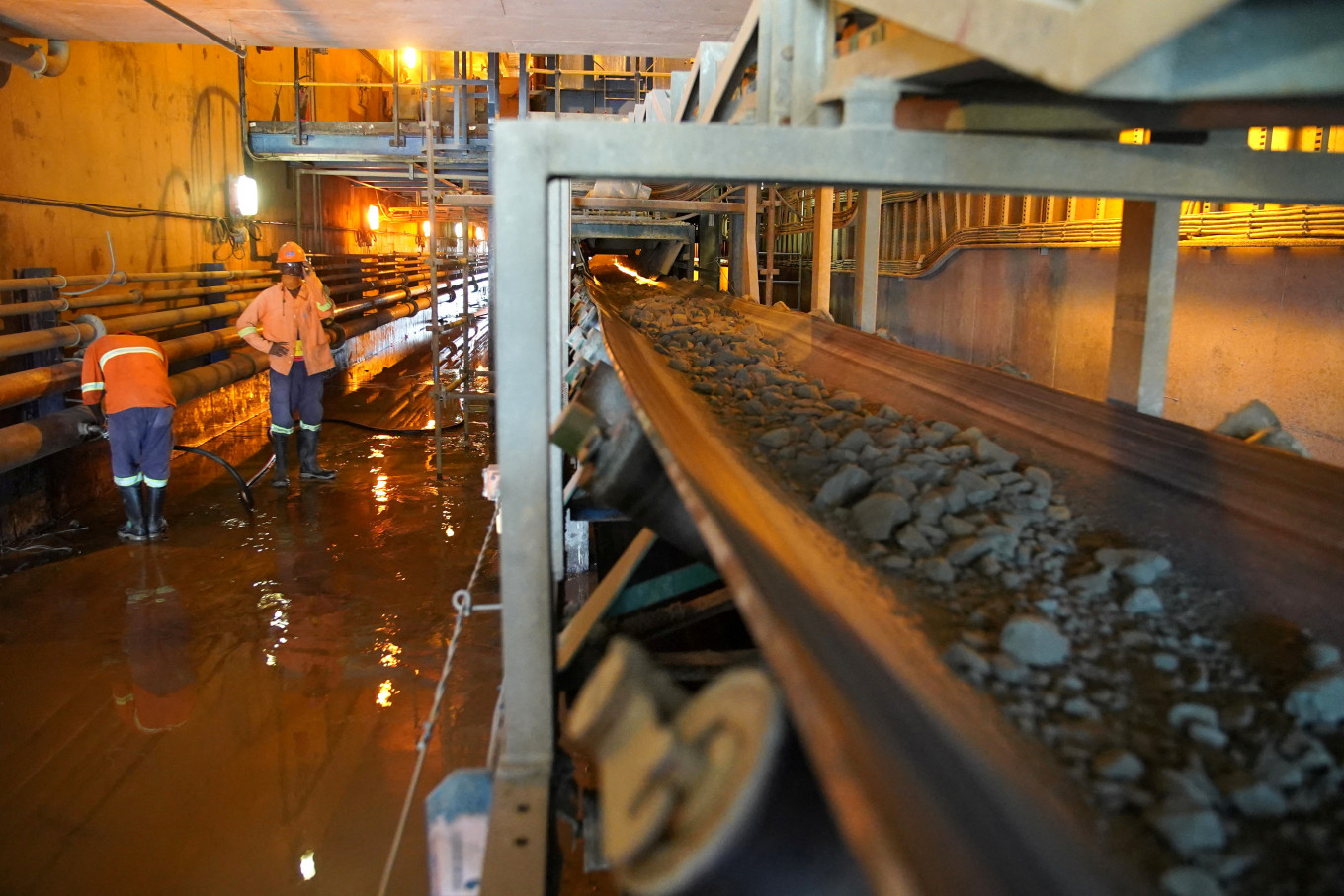
The move is significant because the DRC is already one of the world’s most important sources of critical minerals. The country is the world’s largest cobalt producer and a major copper supplier, while also holding important deposits of lithium, tantalum, gold and other minerals increasingly regarded as essential to the global energy and technology industries.
Congo Wants Its Geological Data to Become a National Asset.
For decades, geological information about the DRC has been scattered across government agencies, mining companies, foreign institutions and historical archives. Much of the country’s enormous territory has also never been systematically explored.
According to the National Geological Survey of Congo, systematic exploration has covered only about 20% of the country. That means potentially significant deposits remain unidentified or insufficiently understood, even as international competition for critical minerals intensifies.
The new strategy seeks to change that by bringing geological information into a central national system. Congolese authorities say the data generated through the mapping programmes should be treated as a strategic asset of the state rather than simply as information available to private companies.
The national databank is expected to use a tiered access system. Basic geological information would be available freely, while access to more sensitive datasets could require payment and government assessment. Authorities argue that revenue from selected data products could also help finance future exploration and geological mapping.
The $180 Million Mapping Programme.
The Xcalibur project began in January and is expected to run for three years. It combines airborne geophysical surveys, digitised historical information and advanced analytical tools to identify areas that could have significant mineral potential.
The scale is enormous. More than 700,000 square kilometres are expected to be surveyed, potentially providing the Congolese government with a much clearer picture of what lies beneath some of the country’s least-explored territory.
The project is also part of a broader network of partnerships. Congo is working with France’s geological survey BRGM, South Africa’s Council for Geoscience, US-linked KoBold Metals and other international institutions on geological and mineral-related initiatives.
The objective is not simply to produce geological maps. Better information could allow the government to understand the value and location of deposits before negotiating with mining companies, potentially giving Kinshasa a stronger position when deciding which projects receive licences and under what conditions.
Critical Minerals Are Becoming a Geopolitical Weapon.
The timing of Congo’s strategy is particularly important.
The DRC sits at the centre of an increasingly intense competition between the United States and China over critical mineral supply chains. Both countries have pursued agreements with Kinshasa aimed at strengthening cooperation around the country’s mineral resources.
Congo insists that its new geological databank is not designed to favour either Washington or Beijing. Officials say the same access rules will apply to investors regardless of their nationality and that the country’s objective is to diversify its investor base rather than become dependent on one major power.
However, controlling geological intelligence could still give the Congolese state considerable influence over where future exploration takes place.
Mining companies generally invest where geological information reduces uncertainty. The more accurately a government understands its own mineral potential, the more effectively it can determine which areas are strategically important and negotiate from a position of greater knowledge.
Congo Is Still Vastly Underexplored.
The scale of the opportunity is reflected in the country’s existing mineral reserves.
Congo’s cobalt reserves increased by more than 76% between 2000 and 2025 to an estimated six million tonnes, according to US Geological Survey figures cited by Reuters. That represents more than half of known global cobalt reserves.