
WHO Warns Containment Efforts Are Struggling to Keep Pace.
The Ebola outbreak in the Democratic Republic of Congo has expanded to 60 health zones across six provinces, according to the latest update from the World Health Organization. The new areas include additional zones in Bas-Uélé, North Kivu and Tshopo, highlighting the rapid geographical spread of the outbreak.
The outbreak is being driven by the Bundibugyo strain of Ebola, a relatively rare variant for which there is currently no approved vaccine or specific treatment. Health authorities have nevertheless begun using the Ervebo vaccine among frontline and health workers under a compassionate-use programme while clinical trials are being pursued.
Cases and Deaths Continue to Rise.
As of August 28, the outbreak had recorded 5,794 confirmed cases and 2,786 deaths, according to figures cited by the WHO and other international health authorities. The fatality rate has been particularly high in some newly affected areas of North Kivu.
The expansion has made the current outbreak the fastest-growing Ebola outbreak on record, according to health authorities. The scale of transmission has raised concerns that the epidemic could eventually surpass the devastating West African Ebola outbreak of 2014–2016.
Conflict Is Making the Response More Difficult.
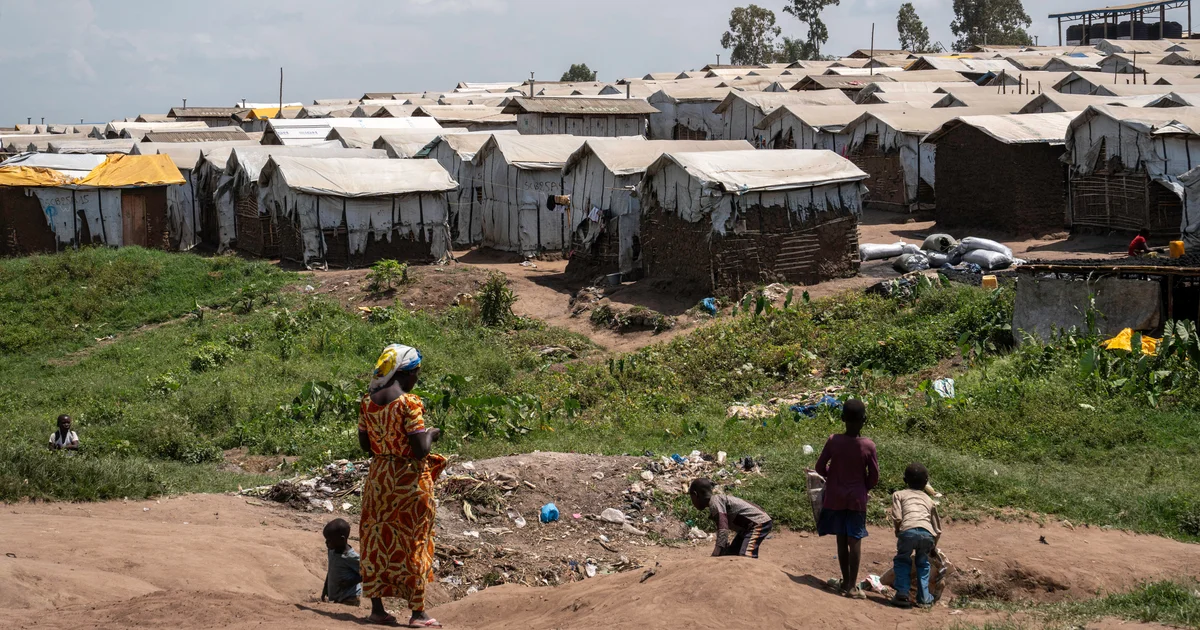
The outbreak is unfolding in parts of eastern Congo already affected by armed conflict, population displacement and weak healthcare infrastructure. These conditions make it difficult for health workers to reach communities, identify contacts and maintain consistent surveillance.
The WHO has warned that transmission remains active and that the response needs to intensify. Aid organisations are also working to expand treatment capacity, with Médecins Sans Frontières opening a new treatment centre in Beni, one of the areas badly affected by the outbreak.



