
Referendum Tests the Country’s Return to Civilian Rule.
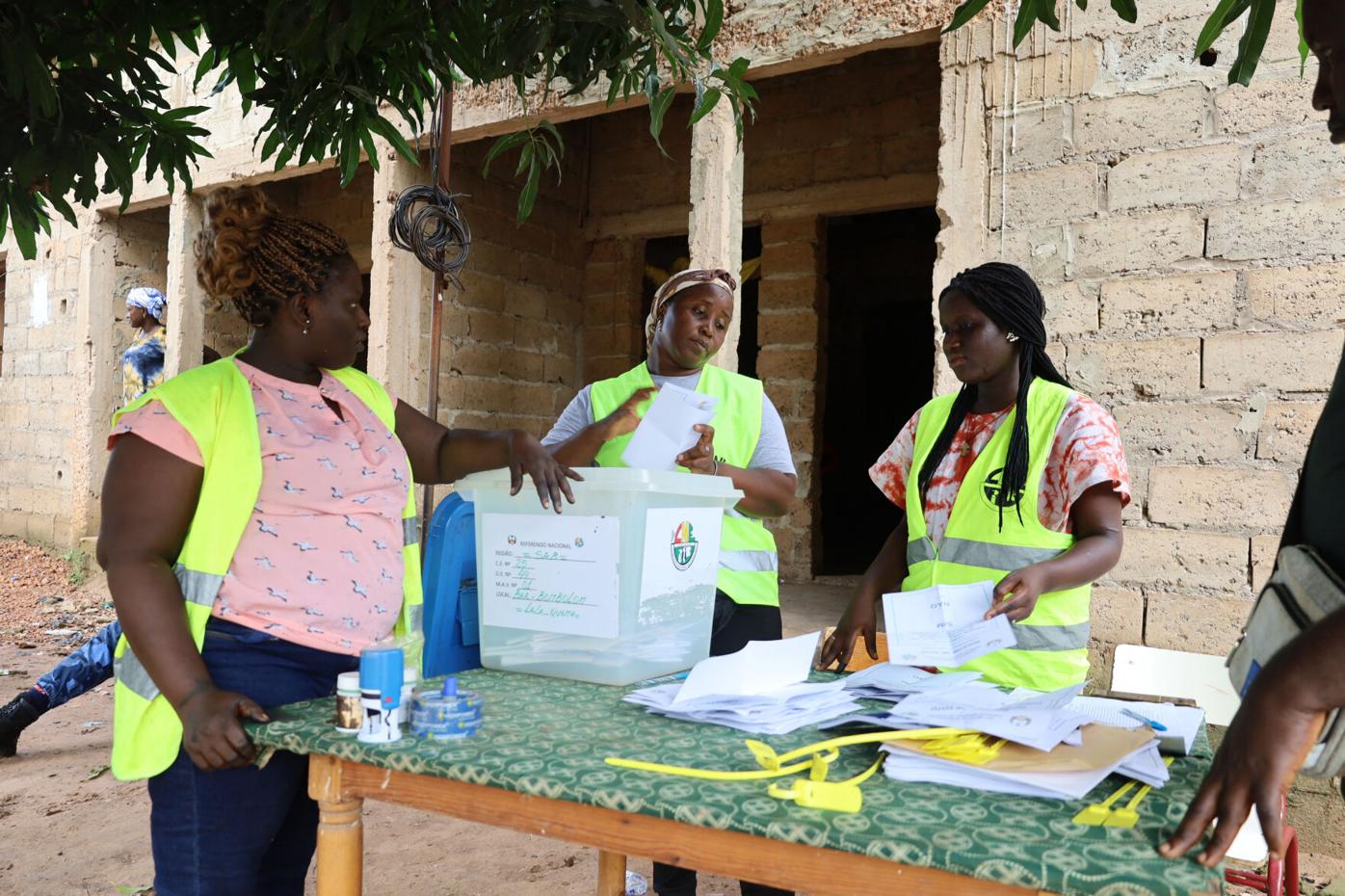
Voters in Guinea-Bissau went to the polls on Sunday, August 30, in a controversial constitutional referendum that could significantly expand the powers of the presidency. Ballot counting began after voting closed, with the result expected to shape the country’s political transition ahead of general elections scheduled for December.
The proposed constitution would give the president greater authority over the government, including the power to appoint and dismiss the prime minister and members of the cabinet. It would also allow the president to chair the Council of Ministers and, under certain circumstances, dissolve parliament.
Military Government Defends the Reform.
Guinea-Bissau has been under military rule since a coup in November 2025, which followed a disputed presidential election. The transitional authorities argue that the constitutional changes are necessary to reduce political instability and clarify the relationship between the president and prime minister.
The proposed reforms would also reduce the number of parliamentary seats from 102 to 65. Military authorities say a smaller legislature would make parliamentary debates more effective and reduce institutional conflict.
Opposition Calls for Boycott.
Opposition parties have strongly rejected the referendum and urged citizens to boycott the vote. They argue that the proposed constitution concentrates too much power in the presidency and could weaken parliament and the prime minister’s office.
Reports from polling stations indicated relatively low turnout in some areas, although the full participation rate will only become clear once the authorities release official figures.
The opposition also questions whether a military-appointed transitional authority has the legitimacy to fundamentally rewrite the country’s constitutional system.



