
More Men Enter a Profession Traditionally Dominated by Women.
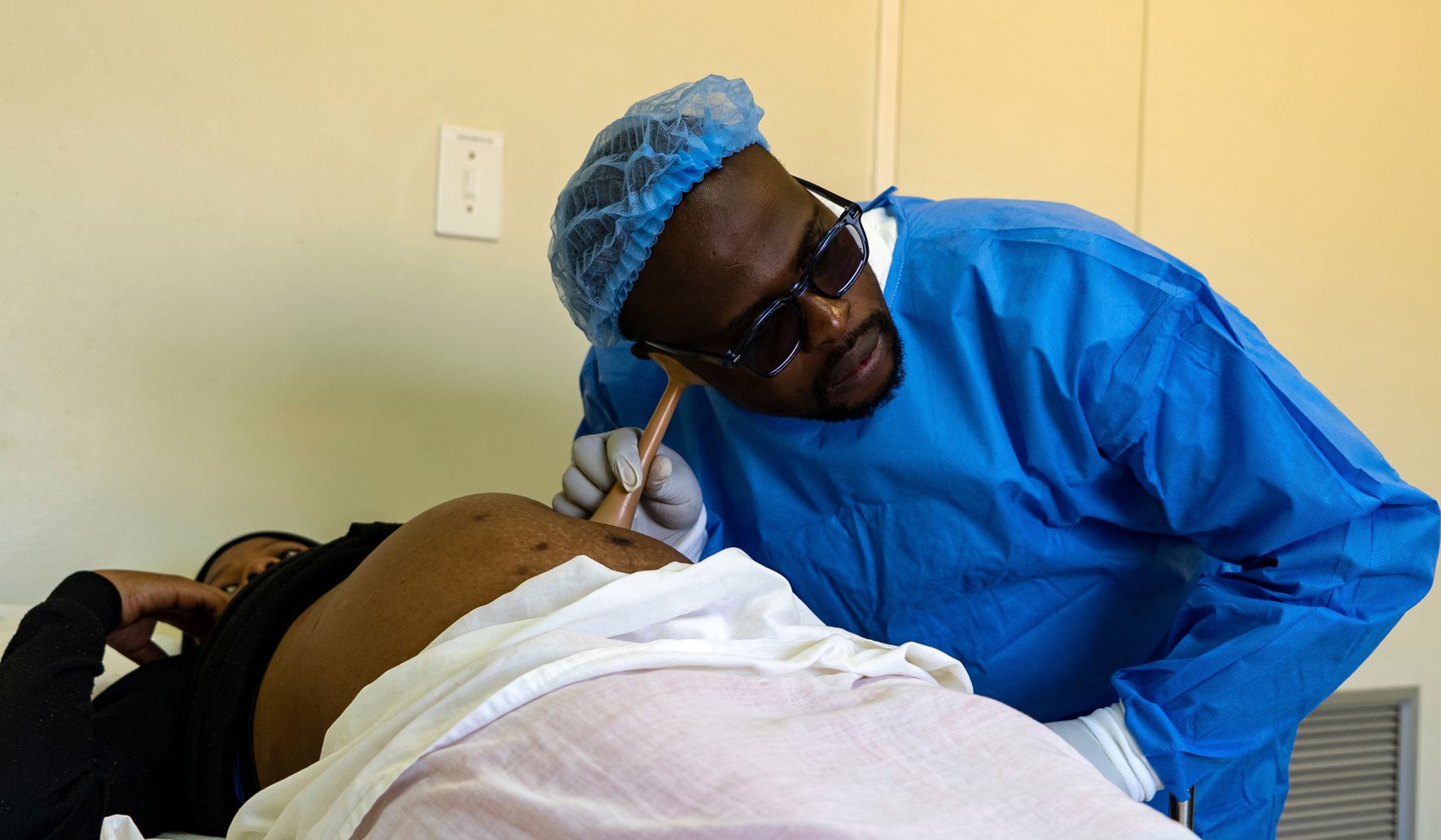
A growing number of men are becoming midwives in Lesotho as the southern African kingdom looks for new ways to reduce maternal deaths and address shortages of healthcare workers in rural communities.
One of them is Ntlhane Sehloho, a male midwife who has worked in the profession for about two decades. He travels for up to three hours across mountainous roads to reach the Mpharane Health Centre in Mohale’s Hoek, where he provides prenatal and childbirth care.
About 300 Male Midwives.
Lesotho is estimated to have around 300 male midwives, although the government does not officially record the profession’s numbers by gender. Their growing presence reflects an effort to expand access to skilled birth attendants, particularly in rural areas where healthcare facilities and personnel remain limited.
For Sehloho, the decision to enter midwifery was influenced by what he witnessed growing up. He saw women in his rural community travelling long distances for maternity care, with some giving birth at home because they could not reach health facilities in time.
Health authorities subsequently encouraged male nurses to undergo midwifery training as part of efforts to strengthen maternal healthcare.
Breaking Cultural Barriers.
Midwifery has traditionally been viewed as women’s work in Lesotho, meaning some expectant mothers remain uncomfortable receiving intimate maternity care from men. However, acceptance is gradually increasing as more male midwives become part of the country’s healthcare system.
Lesotho’s health authorities argue that gender should not determine who provides quality maternity care. Women who are uncomfortable with male midwives can request female caregivers where circumstances allow.
Some women have also reported positive experiences, saying male midwives provide the same level of professional care as their female counterparts.



