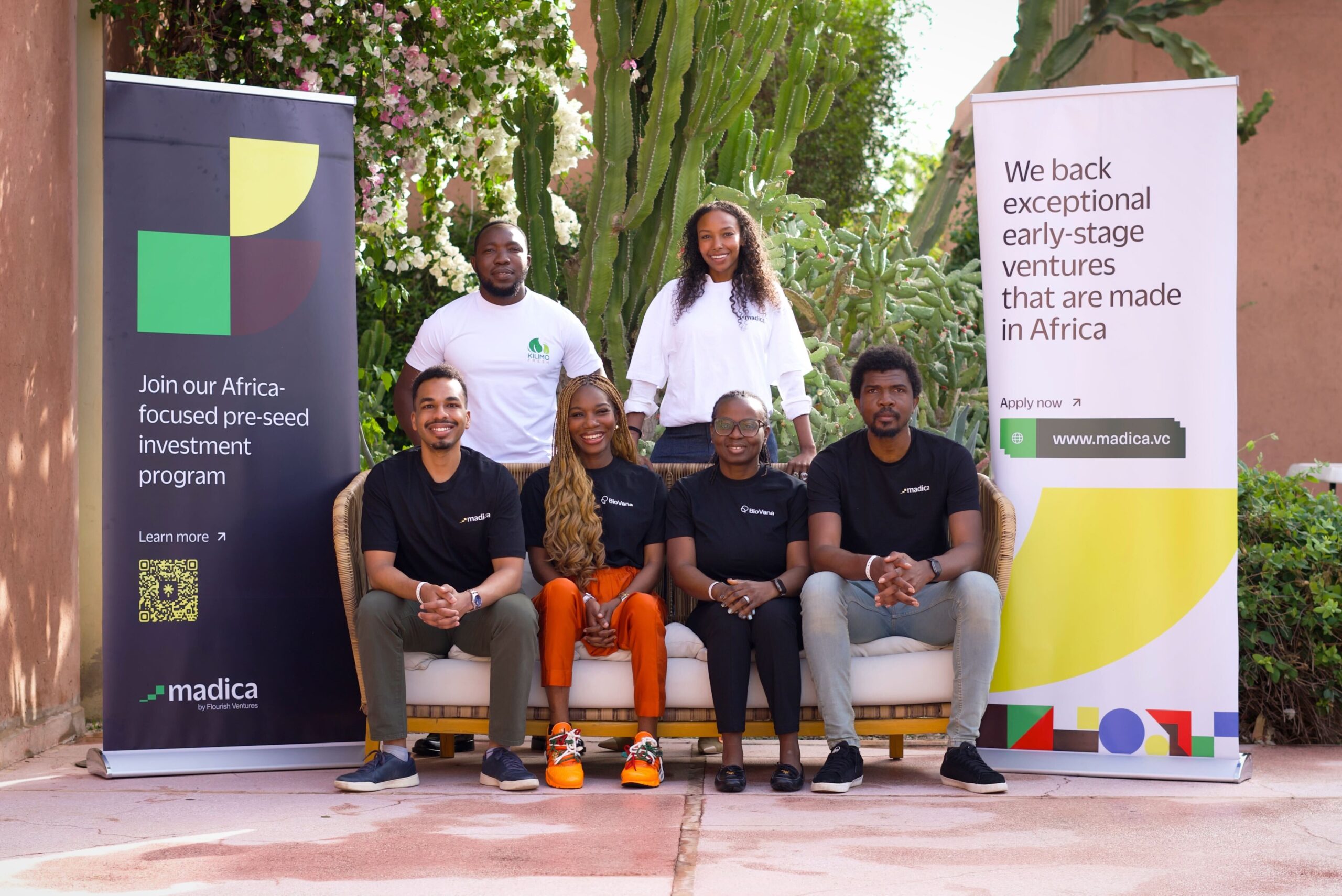
Africa’s venture capital map is beginning to widen beyond the continent’s traditional startup hubs, with investment now reaching markets that have historically struggled to attract early-stage funding. On September 15, African pre-seed investment programme Madica announced five new investments across Africa, including its first-ever bets in Algeria and Cameroon. Each startup is receiving up to $200,000, as Madica looks to back founders operating in markets that have often remained outside the main flow of African venture capital.
The latest investments cover fintech, human resources, payments and the circular economy, reflecting Madica’s broader strategy of supporting technology-enabled businesses at an early stage. The programme, backed by Flourish Ventures, says its model combines capital with mentorship, executive coaching, investor networks and other company-building support over an 18-month period.
Cameroon and Algeria Enter Madica’s Investment Map.
The most significant part of the announcement for Central and North Africa is Madica’s entry into Cameroon and Algeria. Both countries have active technology communities but have historically attracted considerably less international venture capital than markets such as Nigeria, Kenya, South Africa and Egypt.
Madica’s new investments suggest that investors are increasingly looking beyond the continent’s established startup centres in search of founders building businesses for large but underserved markets. The programme now has investments across 10 African markets, with the latest five deals taking its portfolio to 18 companies.
For Cameroon in particular, the move is significant because international funding announcements involving local startups remain relatively limited compared with larger African ecosystems. The arrival of a specialist pre-seed investor could give early-stage founders greater visibility among international investors while demonstrating that the country’s technology market can produce businesses capable of attracting institutional capital.
Five Startups Join the Portfolio.
The five companies backed in the latest round are ChipMango, Talenteo, Paysika, Bekia and Delta Oil. They operate across different markets and sectors, illustrating Madica’s willingness to invest in businesses addressing practical problems rather than concentrating on a single technology category.
Algeria’s Talenteo is an HR technology company serving mid-market businesses across Francophone Africa. Its inclusion is particularly relevant to the region because businesses across French-speaking Africa increasingly need digital tools to manage recruitment, employees and workplace administration as their operations grow.
The other investments extend into fintech and circular-economy businesses, showing how African startups are increasingly developing technology around everyday economic activity, including payments, employment and resource management.
Why Smaller Markets Are Attracting More Attention.
For years, African venture capital has been heavily concentrated in a handful of markets. Nigeria, Kenya, South Africa and Egypt have consistently attracted a large share of startup investment because of their sizeable consumer markets, established technology ecosystems and relatively mature investor networks.
That concentration has created a significant funding gap elsewhere. Founders in countries with strong entrepreneurial communities can struggle to secure even relatively small pre-seed rounds, making it difficult to hire teams, develop products and reach their first major customers.
Madica is deliberately targeting that gap. Its leadership has argued that markets that appear unfamiliar to international investors should not automatically be treated as small or unattractive. The latest investments are effectively a bet that strong founders exist in places where venture capital has historically been less visible.
Cameroon’s Startup Ecosystem Gets a Fresh Signal.
For Cameroon, the investment comes at a time when the country’s technology ecosystem is gradually gaining greater international attention. Startups are emerging across fintech, healthtech, energy, agriculture and digital services, while the government and private sector are increasingly discussing how technology can contribute to economic diversification.
The country has already produced companies such as Waspito, which has attracted international attention in health technology. However, the challenge remains converting individual startup successes into a broader ecosystem capable of consistently attracting early-stage and growth capital.
Madica’s decision to invest directly in Cameroon could help change that perception. More importantly, it provides local founders with evidence that international investors are willing to assess opportunities outside Africa’s traditional technology hubs.