
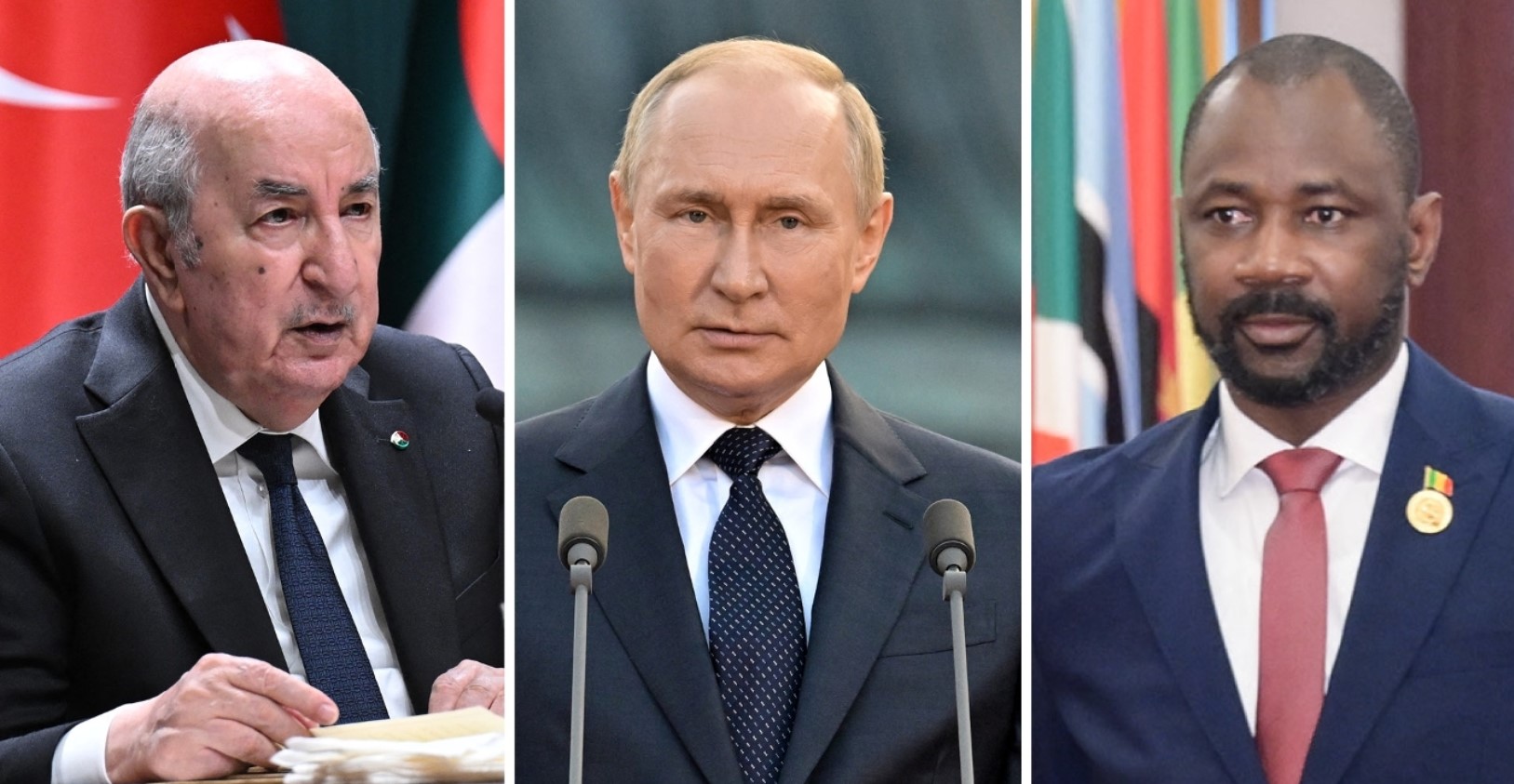
Mali and Algeria have taken significant steps to restore diplomatic relations after months of heightened tensions that threatened to undermine security cooperation and regional stability across the Sahel. Senior officials from both countries resumed high-level engagement this week, signaling a willingness to rebuild trust despite continuing disagreements over security, border management and regional diplomacy.
The renewed engagement follows one of the lowest points in relations between the two neighbours in recent years. Earlier this year, diplomatic ties deteriorated after both governments accused each other of actions that undermined national sovereignty and regional security. The dispute led to the recall of ambassadors, the closure of airspace, and a series of diplomatic exchanges that raised concerns among regional and international observers.
The latest talks are being viewed as an important first step toward de-escalation.
A Relationship Under Strain
For decades, Algeria has played an influential role in Mali’s political and security affairs.
The North African nation was instrumental in mediating the 2015 Algiers Peace Agreement, which sought to end years of conflict between the Malian government and armed groups in the country’s north. Algeria has also hosted multiple rounds of negotiations involving Malian authorities and rebel movements, positioning itself as a key regional mediator.
However, relations began to deteriorate after Mali’s political transition following the military coups of 2020 and 2021.
The transitional government in Bamako adopted a new foreign policy approach, strengthening partnerships with countries such as Russia while reviewing several regional security arrangements. At the same time, disagreements emerged over Algeria’s role in mediation efforts and its approach to armed groups operating near the shared border.
The situation escalated dramatically in recent months after both governments exchanged accusations over alleged violations of their airspace and disagreements linked to security operations along the border.
Security Remains the Biggest Concern
The Mali-Algeria border stretches for more than 1,300 kilometres, crossing vast desert areas that are difficult to monitor.
The region has long been exploited by terrorist organisations, armed groups, human traffickers and smuggling networks operating across the Sahel.
Groups linked to Al-Qaeda and the so-called Islamic State continue to operate in parts of northern Mali, posing a threat not only to Mali but also to neighbouring countries including Algeria, Niger and Burkina Faso.
Security analysts argue that effective border cooperation between Mali and Algeria is essential to limiting the movement of armed groups and preventing instability from spreading across North and West Africa.
Without diplomatic cooperation, intelligence sharing and coordinated border management become significantly more difficult.
A Changing Regional Landscape
The diplomatic thaw comes at a time when the political landscape of the Sahel is undergoing major changes.
Mali, Burkina Faso and Niger have formed the Alliance of Sahel States (AES), a new regional bloc focused on defence, security and economic cooperation following their withdrawal from the Economic Community of West African States (ECOWAS).
The three countries have pledged to strengthen military cooperation while pursuing what they describe as a more sovereign approach to regional governance.
Algeria, meanwhile, continues to promote dialogue and regional cooperation as key tools for addressing insecurity in the Sahel.
Although both sides share the objective of combating terrorism, they have often differed on the strategies needed to achieve lasting peace.
Diplomatic Channels Reopen
Officials familiar with the latest discussions say both governments have expressed a commitment to restoring normal diplomatic communication and reducing tensions.
While no major agreements have yet been announced, the reopening of dialogue is being interpreted as an important confidence-building measure.
Analysts note that diplomatic engagement does not necessarily mean all disagreements have been resolved.
Instead, it provides a framework for managing disputes through negotiation rather than confrontation.
Both governments are expected to continue discussions on issues including border security, trade, migration and regional peace initiatives.
Economic Interests Also Matter
Although security dominates the relationship, economic considerations are also important.
Algeria is one of Africa’s largest energy producers and serves as a gateway between North Africa and the Sahel.
Improved relations could facilitate cross-border trade, infrastructure cooperation and investment opportunities that benefit communities on both sides of the border.



