Africa’s Leadership Problem Is Bigger Than Its Presidents.
Across Africa, political debates often revolve around individuals. Elections become contests between personalities, governments are identified with presidents, and national political fortunes can rise or fall with the reputation of one leader.
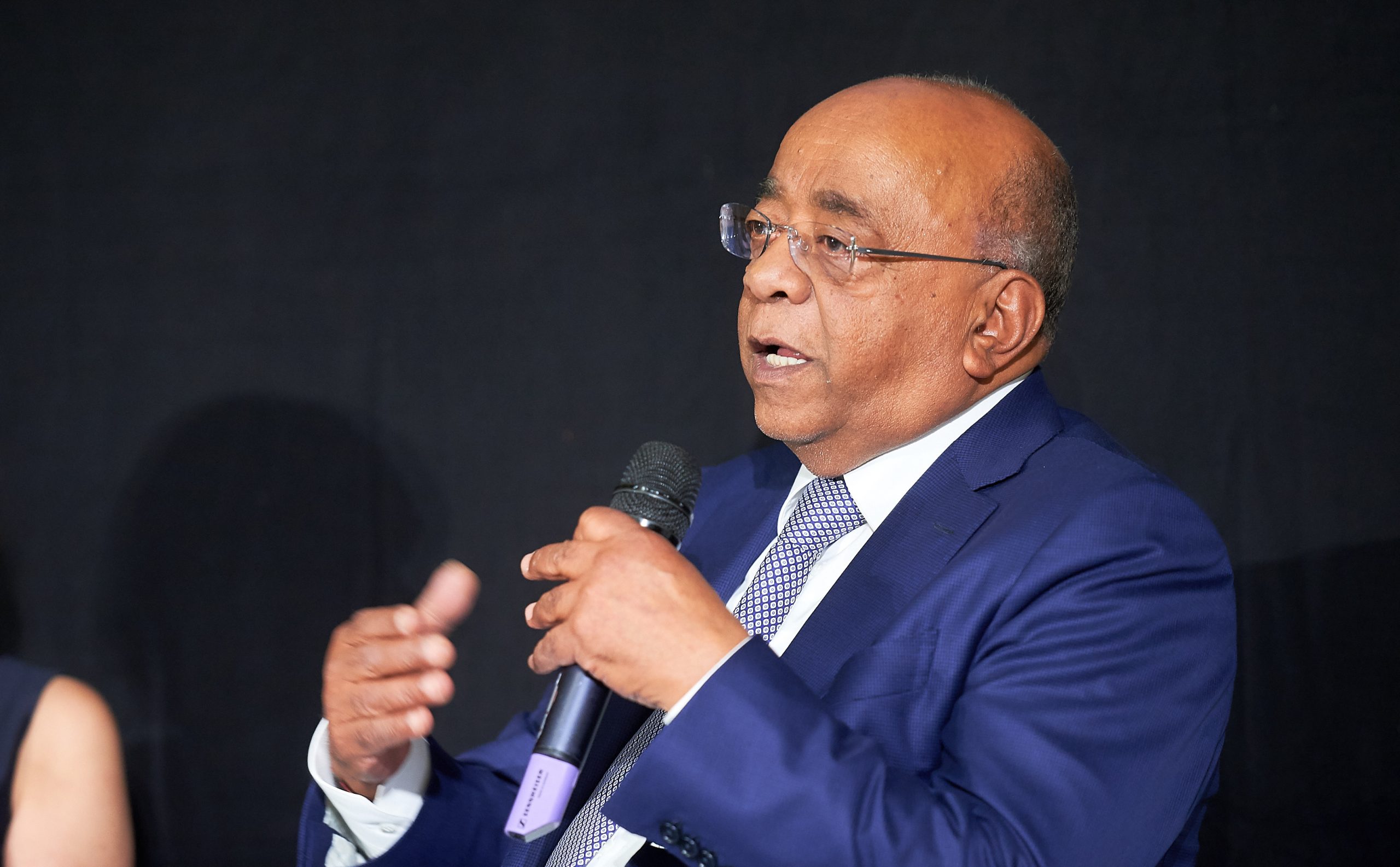
Sudanese-British businessman and philanthropist Mo Ibrahim has spent years pushing a different conversation: Africa needs stronger leadership, but it also needs institutions capable of delivering for citizens regardless of who is in power.
His foundation continues to place governance and leadership at the centre of its work, including through the Ibrahim Index of African Governance, which measures governance performance across all 54 African countries.
The Institution Should Matter More Than the Individual.
A strong president can make important decisions, but no country should depend entirely on the character or competence of one person.
Governments need professional civil services, independent courts, credible electoral institutions, accountable legislatures and regulatory bodies that can function without political interference.
Without those structures, even good leadership can struggle to produce lasting change. When institutions are weak, progress can disappear when political leadership changes.
Africa’s Governance Debate Is Changing.
The Mo Ibrahim Foundation has increasingly focused attention on the relationship between governance, democracy and Africa’s younger population.
A recent Foundation discussion examined what young Africans actually want from democracy, highlighting the growing importance of listening to a generation that will shape the continent’s political future.
This is important because Africa is becoming increasingly youthful, while political institutions in many countries are struggling to maintain the confidence of younger citizens.
Elections Alone Are Not Enough.
Democratic governance cannot be measured simply by whether elections take place. Citizens also need to see whether governments deliver public services, protect rights, manage public finances responsibly and create opportunities for economic participation.
The Ibrahim Index defines governance broadly, including the political, social, economic and environmental goods that citizens have a right to expect from their governments.
That definition is important because democracy becomes difficult to defend when citizens repeatedly experience weak public services, unemployment, corruption or insecurity.
The Danger of Overreliance on Political Personalities.
Africa has produced leaders who have transformed their countries in important ways, but political systems become vulnerable when institutions are built around individuals rather than rules.
A president who strengthens institutions can leave behind a functioning system. A president who weakens them can leave behind a political vacuum that becomes difficult for successors to manage.