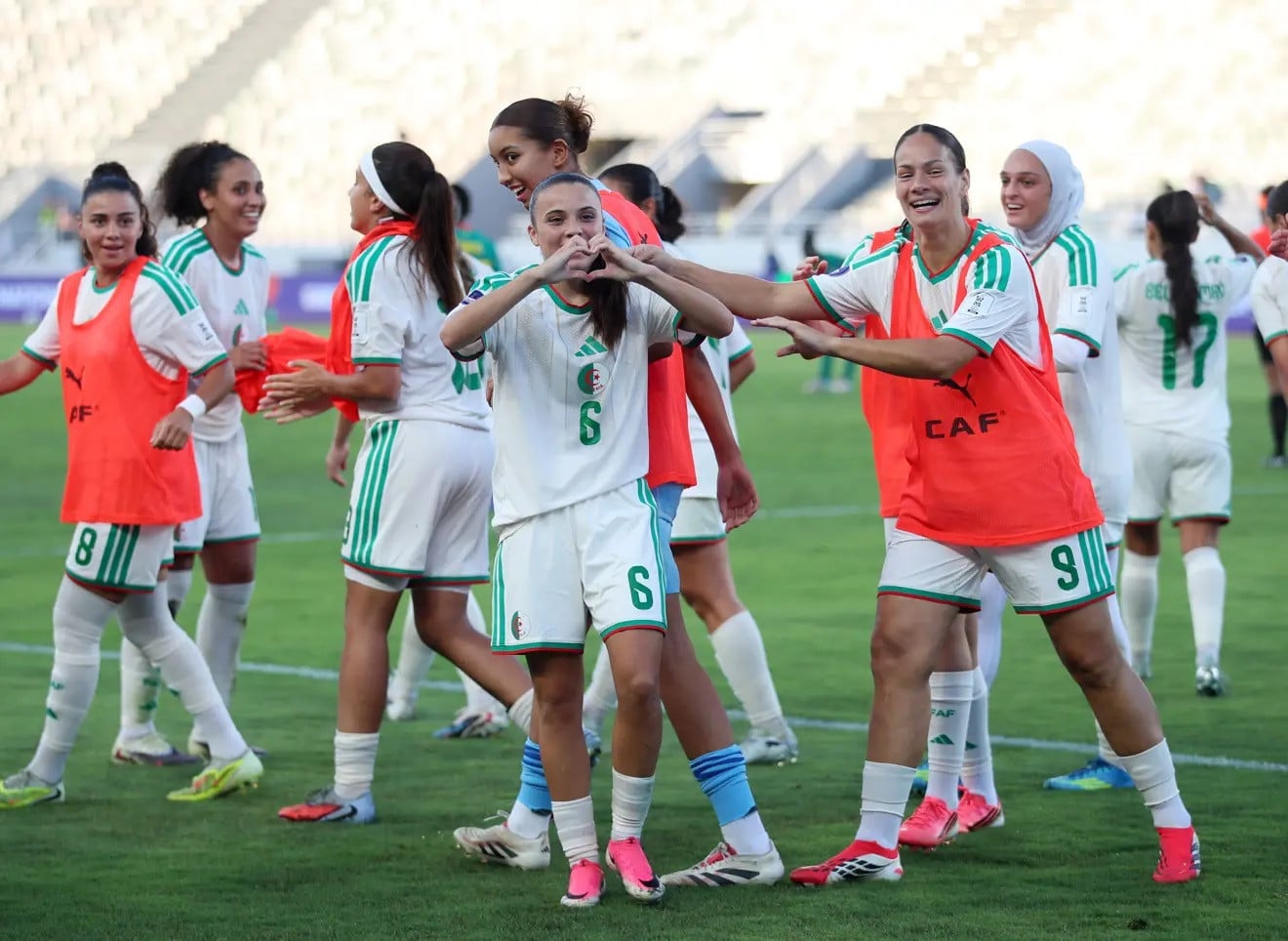
North African football continues to make a strong impression at the Women’s Africa Cup of Nations (WAFCON) as hosts Morocco and regional rivals Algeria secured their places in the quarterfinal stage of the competition.
The qualification of both teams highlights the growing strength of women’s football in North Africa, a region that has invested heavily in player development, professional leagues and national team programmes in recent years.
Morocco’s Golden Generation Continues Its Rise
Morocco entered the tournament with high expectations after becoming the first Arab and North African nation to reach the FIFA Women’s World Cup semifinals in 2023.
The Atlas Lionesses have continued building on that historic achievement, combining experienced players with a new generation of talents developed through Morocco’s expanding women’s football system.
Playing on home soil has provided an additional advantage, with strong support from Moroccan fans creating an electric atmosphere throughout the tournament.
The team’s progress reflects the country’s wider investment in football infrastructure, including women’s academies and increased opportunities for female players.
Algeria Returns to the Continental Spotlight
Algeria’s qualification marks an important moment for a team looking to re-establish itself among Africa’s top women’s football nations.
The Algerian women’s national team has historically produced talented players, but recent years have seen increased competition from countries such as Nigeria, South Africa, Morocco and Zambia.
Their progress at WAFCON demonstrates the impact of renewed focus on women’s football development and improved preparation at national level.
North Africa’s Growing Influence in Women’s Football
For many years, African women’s football was dominated by traditional powerhouses including Nigeria, Ghana and Cameroon.
However, the landscape is changing.