
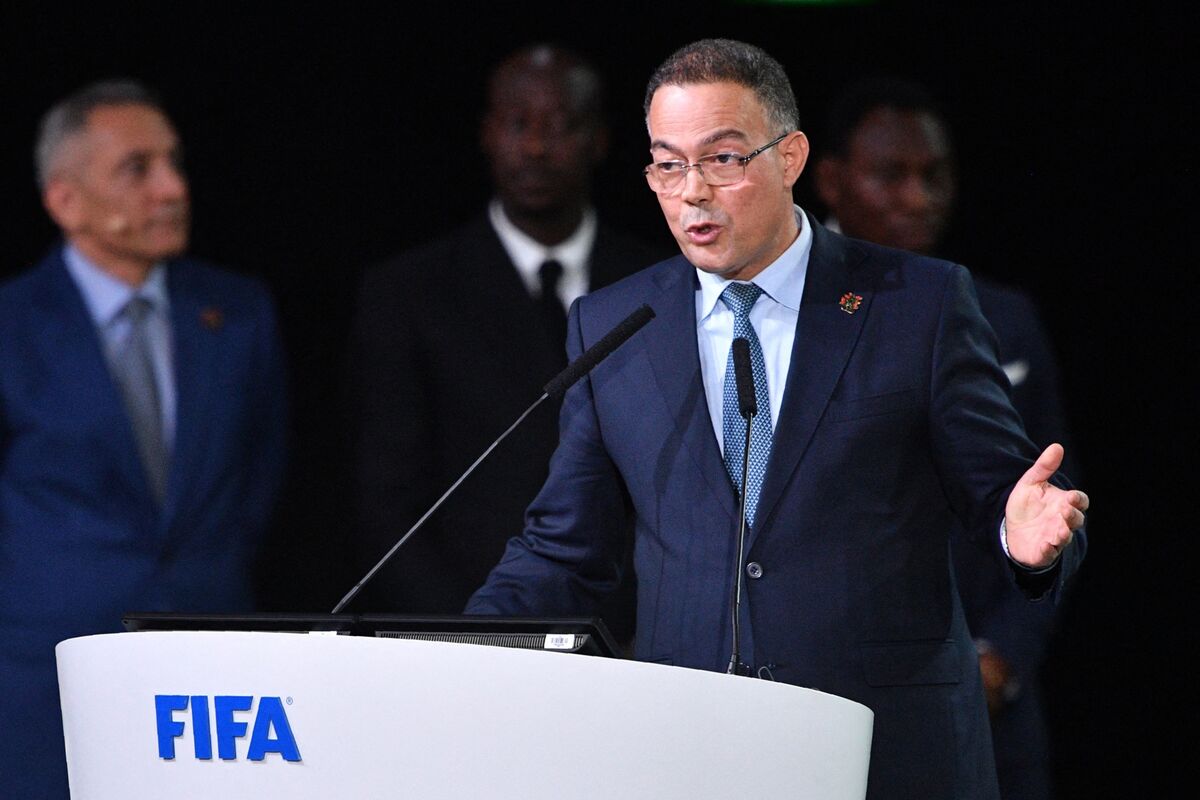
Fouzi Lekjaa, the influential president of the Royal Moroccan Football Federation (FRMF), is increasingly being viewed as one of Morocco’s most prominent public figures, with growing political speculation surrounding his future as the country prepares for the next phase of its national development agenda.
Widely credited with transforming Moroccan football into one of Africa’s biggest success stories, Lekjaa has built a reputation that extends far beyond sport. His leadership has helped Morocco secure major international tournaments, strengthen football infrastructure and elevate the country’s global sporting profile, achievements that have fuelled discussion about his broader influence within government and public administration.
Although no official political candidacy has been announced, analysts say Lekjaa’s growing national profile reflects the increasing intersection between sports leadership, economic development and public policy in Morocco.
The Architect of Morocco’s Football Rise
Lekjaa has overseen one of the most successful periods in the history of Moroccan football.
Under his leadership, Morocco became the first African and Arab nation to reach the FIFA World Cup semi-finals in 2022, while the country has continued investing heavily in stadiums, training centres and youth development.
Morocco has also secured hosting rights for several major international competitions, including the 2025 Africa Cup of Nations and the 2030 FIFA World Cup, which it will co-host with Spain and Portugal.
These achievements have strengthened Morocco’s reputation as one of Africa’s leading sporting nations.
Influence Beyond the Football Pitch
Beyond football administration, Lekjaa serves in senior government positions linked to public finance and budgeting, giving him significant influence over national development projects.
His dual role in sports and government has positioned him as one of Morocco’s most recognisable public officials.
Supporters argue that his experience managing large infrastructure projects, international partnerships and complex sporting events demonstrates leadership skills that could translate into broader national responsibilities.
His growing visibility has naturally led to increased political speculation, particularly as Morocco continues implementing ambitious economic and infrastructure programmes.
Sport as an Economic Strategy
Morocco has increasingly used sport as part of its wider economic and diplomatic strategy.
Major investments in football infrastructure have supported tourism, construction, hospitality and international investment while strengthening the country’s global image.
Preparations for AFCON 2025 and the 2030 FIFA World Cup are expected to generate billions of dollars in economic activity through new transport systems, stadium developments, hotels and urban renewal projects.



