
South Africa is facing renewed pressure to safeguard its financial reputation after global anti-money laundering watchdog Financial Action Task Force (FATF) signalled that maintaining compliance will require sustained enforcement rather than one-time reforms.
The warning comes less than a year after South Africa was removed from the FATF greylist in October 2025, following the successful completion of 22 action items designed to strengthen the country’s fight against money laundering and terrorist financing. While the removal marked a major milestone, financial authorities now acknowledge that the real challenge is ensuring those reforms remain effective over the long term.
Experts say the evolving FATF standards mean countries will increasingly be judged not only on the laws they introduce but also on their ability to consistently investigate financial crimes, prosecute offenders and protect institutions from political or criminal influence.
From Greylist Exit to Long-Term Compliance
South Africa was placed on the FATF greylist in February 2023 after weaknesses were identified in its anti-money laundering and counter-terrorism financing framework.
The designation raised concerns among investors and international financial institutions, increasing the cost of cross-border transactions and placing additional scrutiny on the country’s financial system.
After implementing extensive reforms across law enforcement, financial intelligence and regulatory agencies, South Africa successfully addressed all outstanding action points and secured its removal from the greylist.
The achievement was widely welcomed by government, businesses and financial institutions as an important step toward restoring investor confidence.
The Rules Are Becoming Tougher
Although South Africa has exited the greylist, FATF is placing greater emphasis on whether countries can demonstrate continuous and measurable enforcement of financial crime laws.
The organisation now expects governments to show lasting improvements in criminal investigations, successful prosecutions, asset recovery and institutional independence rather than relying solely on legislative reforms.
Financial analysts believe this represents a broader shift in global financial regulation, where maintaining credibility depends on consistent performance over many years.
For South Africa, that means strengthening institutions and ensuring reforms continue to deliver practical results.
Government Calls for Continued Vigilance
South African authorities have acknowledged that leaving the greylist was only the beginning of a much longer process.
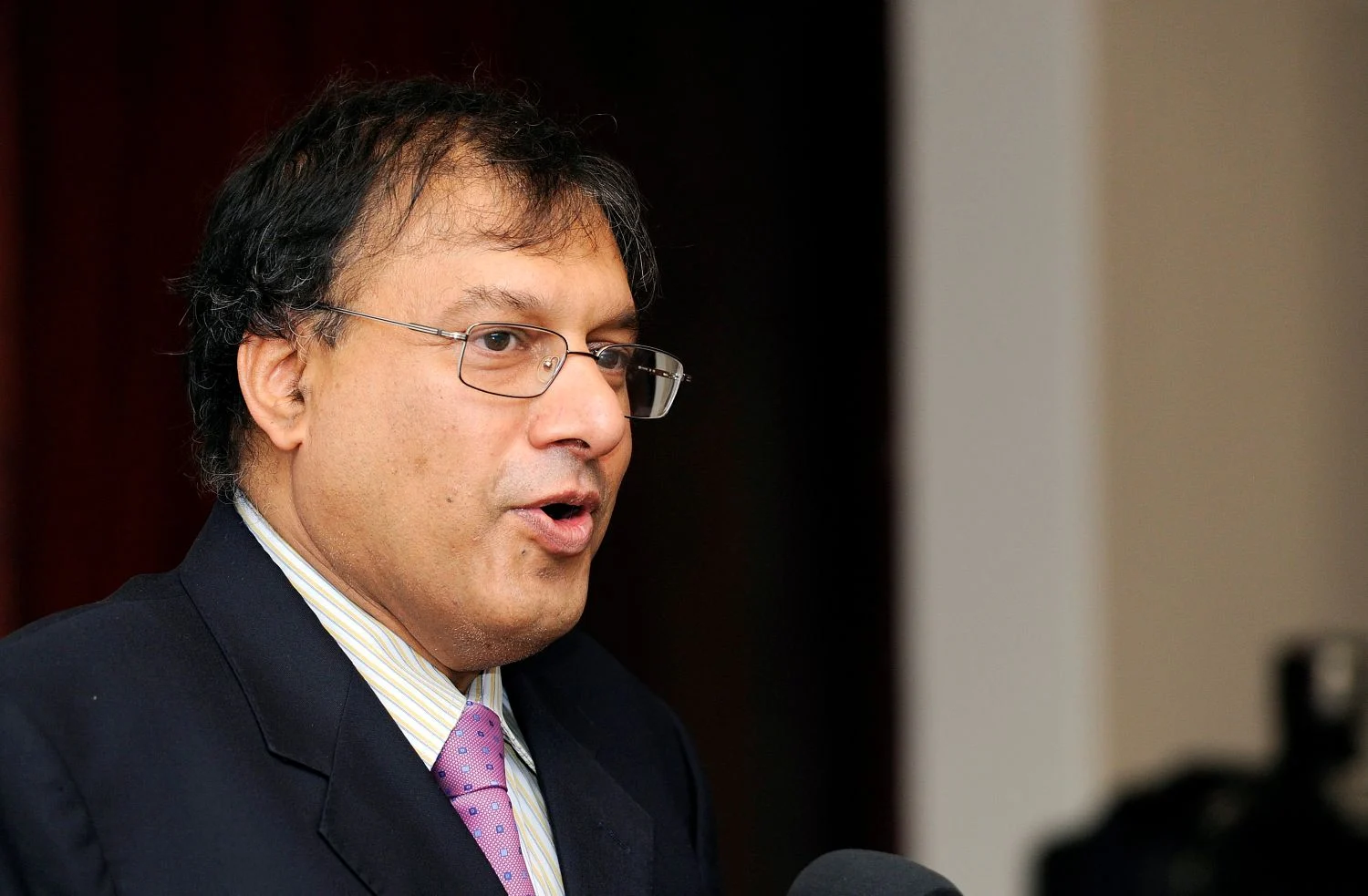
South African Revenue Service (SARS) Commissioner Edward Kieswetter emphasised the importance of maintaining momentum, stating that removing the greylisting designation should not be viewed as the final objective but as an important milestone in building a resilient financial system.
His remarks reflect growing recognition within government that financial integrity must become part of long-term institutional culture rather than a temporary compliance exercise.
Authorities are continuing to strengthen cooperation between regulators, financial institutions and law enforcement agencies to ensure sustained progress.
Why Financial Credibility Matters
A country’s financial reputation has a direct impact on investment, international trade and economic growth.



