South Africa is preparing to turn one of its most important heritage sites into a global cultural stage, with musicians and creatives gathering at the Cradle of Humankind for ORIGIN South Africa in October. The event, scheduled for October 16 to 18, will bring together music, storytelling, Indigenous voices and environmental ideas at the UNESCO World Heritage site outside Johannesburg, with Congolese-born South African artist TRESOR and Xhosa singer-songwriter Bongeziwe Mabandla among the leading performers.
The choice of location is central to the concept. The Cradle of Humankind contains some of the world’s most important fossil evidence relating to human evolution, making it a powerful setting for an event built around the idea of Africa as the starting point of humanity. Rather than treating African heritage as something preserved only in museums or historical records, ORIGIN is attempting to connect that heritage with contemporary music, technology, environmental conversations and global audiences.
The Cradle Becomes a Cultural Stage.
ORIGIN South Africa will take place at the Kromdraai Impact Hub within the Cradle of Humankind, a vast UNESCO World Heritage landscape containing important archaeological and palaeoanthropological sites. The event is expected to combine live performances with discussions, camping and a global broadcast connecting the South African gathering to participants elsewhere in the world.
That combination gives the event a different identity from a conventional music festival. The organisers are using the location itself as part of the message, linking contemporary African creativity with a site that represents one of humanity’s deepest historical connections to the continent.
It is an increasingly important idea for Africa’s creative economy. African artists are gaining international audiences, but the continent’s cultural institutions and heritage sites are still not always integrated into the commercial machinery surrounding global entertainment.
ORIGIN is attempting to close that gap by putting African music and African heritage into the same conversation.
TRESOR Leads an African Line-Up.
At the centre of the South African programme is TRESOR, one of the continent’s most internationally connected contemporary musicians. Born in Goma in the Democratic Republic of Congo, the artist moved to South Africa as a young man and eventually built a career that has connected Congolese heritage with South African pop, electronic music and Amapiano.
His career has included major collaborations with some of the biggest names in African and international music. He worked with Kabza De Small and DJ Maphorisa on Rumble in the Jungle, a project that helped demonstrate how South African Amapiano could absorb wider African influences while reaching international listeners. He also contributed to Drake’s Certified Lover Boy through the song “Fountains” with Tems.
His presence at ORIGIN therefore carries a broader meaning. TRESOR’s career itself represents the movement of African music across borders, languages and genres.
Joining him is Bongeziwe Mabandla, whose music has helped take Xhosa-language songwriting to audiences far beyond South Africa. His work demonstrates that African artists do not necessarily have to abandon their languages or cultural identities to achieve international recognition.
The line-up also includes Buhlebendalo, Sibusile Xaba and Tubatsi Malo, reinforcing the event’s focus on African musical traditions alongside contemporary production.
Music Meets African Identity.
One of the most interesting elements of ORIGIN is its emphasis on language and cultural identity. The programme is expected to feature Indigenous Elders from different parts of the world, with participants speaking in their own languages before translations are provided.
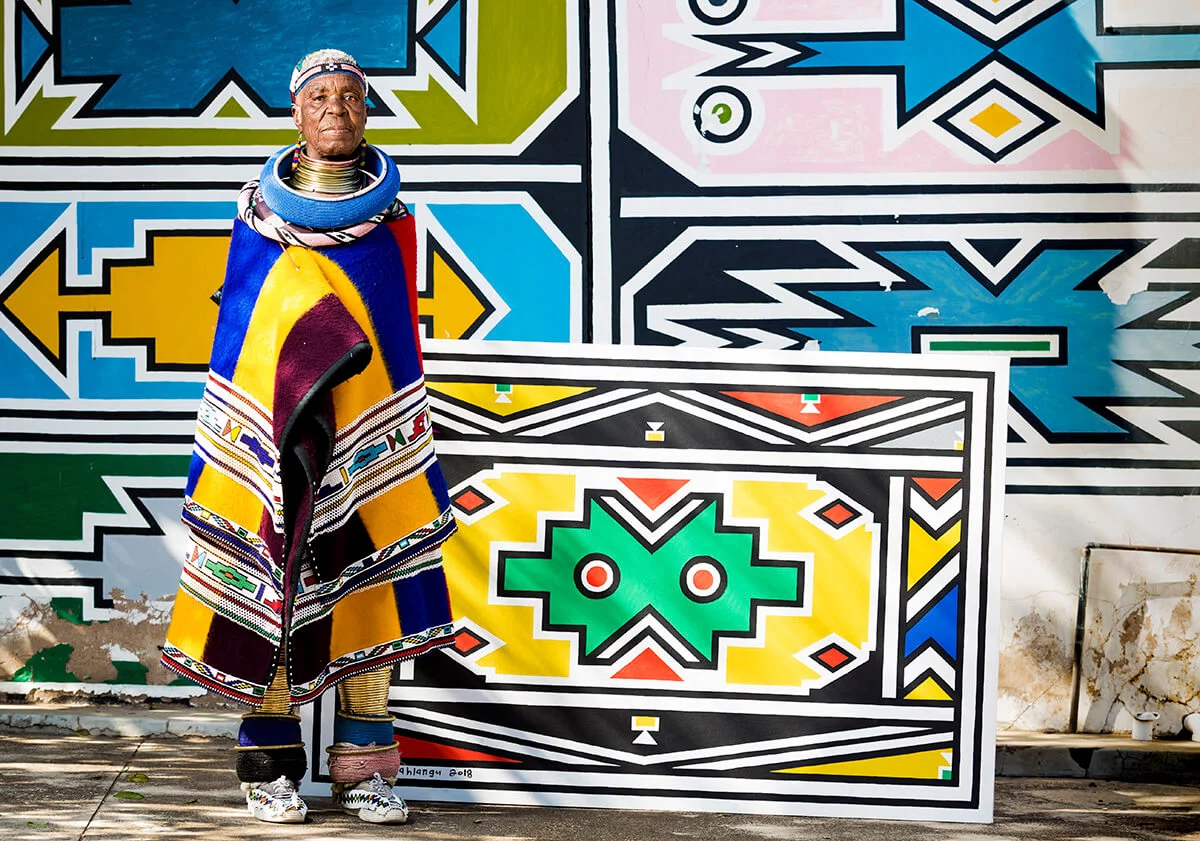
South Africa’s Ouma Katrina Esau, recognised for her work preserving the N|uu language, is among the Indigenous voices connected to the project. Her participation adds another dimension to an event that is attempting to make endangered languages and traditional knowledge part of a global cultural conversation.
That approach is particularly relevant to Africa’s creative industries. Much of the continent’s cultural value exists in languages, oral traditions, rhythms, stories and knowledge systems that have historically struggled to find commercial platforms.
The growing global appetite for African music, fashion, film and storytelling is changing that equation. Artists are increasingly demonstrating that cultural specificity can be an international advantage rather than a limitation.
A Global Event With an African Centre.
The ambition of ORIGIN extends beyond South Africa. Organisers are planning a synchronised global moment on October 17, with groups around the world expected to participate simultaneously. The event’s accompanying anthem brings together contributors from more than 15 countries, including Ghanaian musician Rocky Dawuni and South African vocalists Nomvula and Buhlebendalo.
That gives South Africa an unusual cultural opportunity. Instead of simply importing an international entertainment concept, the country is being positioned as the geographical and symbolic centre of a global event.