
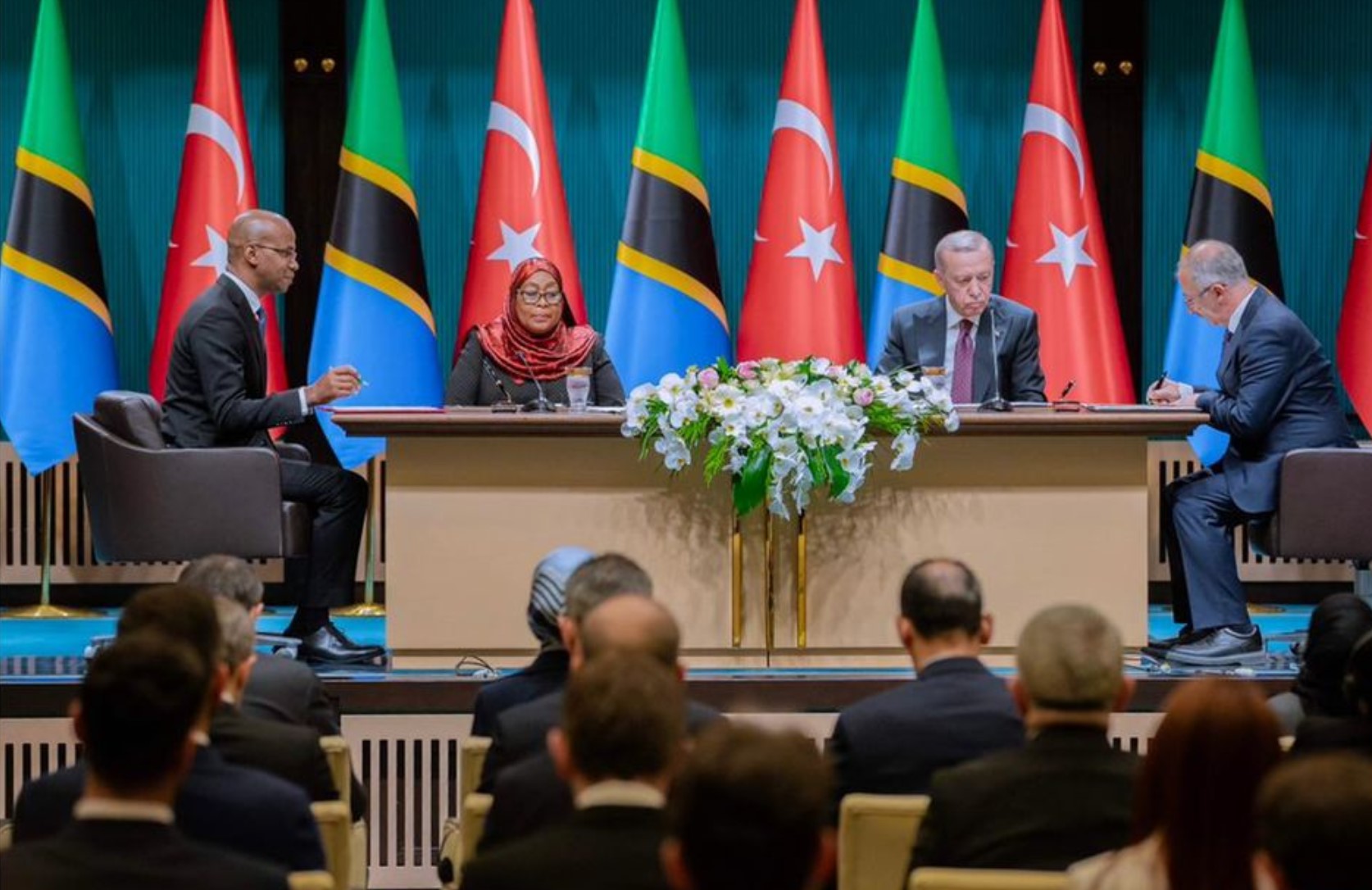
Tanzania is increasingly using foreign policy as an extension of its domestic political and economic agenda, with President Samia Suluhu Hassan’s administration pursuing stronger international partnerships while navigating growing political pressures at home.
Recent diplomatic engagements with Russia, China, the United States, the European Union and regional African partners illustrate a government seeking to attract investment, expand trade and strengthen Tanzania’s global standing. However, political analysts argue that the country’s international posture is also being shaped by domestic political competition, economic priorities and preparations for future governance challenges.
A Different Approach From the Magufuli Era
Since assuming office in 2021 following the death of President John Magufuli, President Samia Suluhu Hassan has significantly altered Tanzania’s diplomatic style.
Where Magufuli’s administration often emphasised economic nationalism, limited foreign engagement and confrontational negotiations with some international investors, President Hassan has adopted a more open and pragmatic approach.
Her administration has prioritised:
- Restoring relations with development partners.
- Encouraging foreign direct investment.
- Expanding international trade.
- Promoting tourism.
- Strengthening regional cooperation.
Government officials argue that Tanzania’s development ambitions require stronger engagement with the global economy while protecting national interests.
Economic Diplomacy at the Centre
Economic growth has become one of the main drivers of Tanzania’s foreign policy.
The government has actively courted investors in sectors including:
- Mining.
- Agriculture.
- Manufacturing.
- Tourism.
- Renewable energy.
- Infrastructure.
International financial institutions have noted Tanzania’s relatively strong economic performance despite global uncertainty.
The International Monetary Fund (IMF) projects continued economic growth supported by reforms, investment and infrastructure development while encouraging further improvements to the business environment and public sector governance.
President Hassan has repeatedly presented Tanzania as a stable investment destination capable of serving both East African and continental markets.
Expanding Global Partnerships
Rather than aligning exclusively with one geopolitical bloc, Tanzania has sought to maintain relationships with multiple international partners.
In recent months, the government has strengthened engagement with Russia while also maintaining cooperation with Western partners, Gulf states and Asian economies.
Following President Hassan’s visit to Moscow, government officials rejected suggestions that closer ties with Russia would damage relations with other countries.
Minister of State Prof. Kitila Mkumbo said Tanzania’s diplomacy is guided by national interests and development priorities rather than geopolitical rivalries.
The same balancing approach has characterised Tanzania’s cooperation with the United States, which recently signed a new five-year health partnership worth more than US$1.3 billion, aimed at strengthening the country’s healthcare system while increasing domestic investment in public health.
Regional Leadership
Tanzania continues to play an important role within the East African Community (EAC) and the Southern African Development Community (SADC).
The country has supported regional infrastructure projects designed to improve trade and transport while participating in discussions on regional security, economic integration and the implementation of the African Continental Free Trade Area (AfCFTA).
Dar es Salaam’s strategic location and expanding port infrastructure have further strengthened Tanzania’s position as a regional logistics hub serving several landlocked African countries.
Analysts say regional economic integration remains one of the government’s highest foreign policy priorities.
Domestic Politics Influence Diplomacy
While Tanzania’s international engagement has expanded, analysts argue that domestic political considerations increasingly shape foreign policy decisions.



