
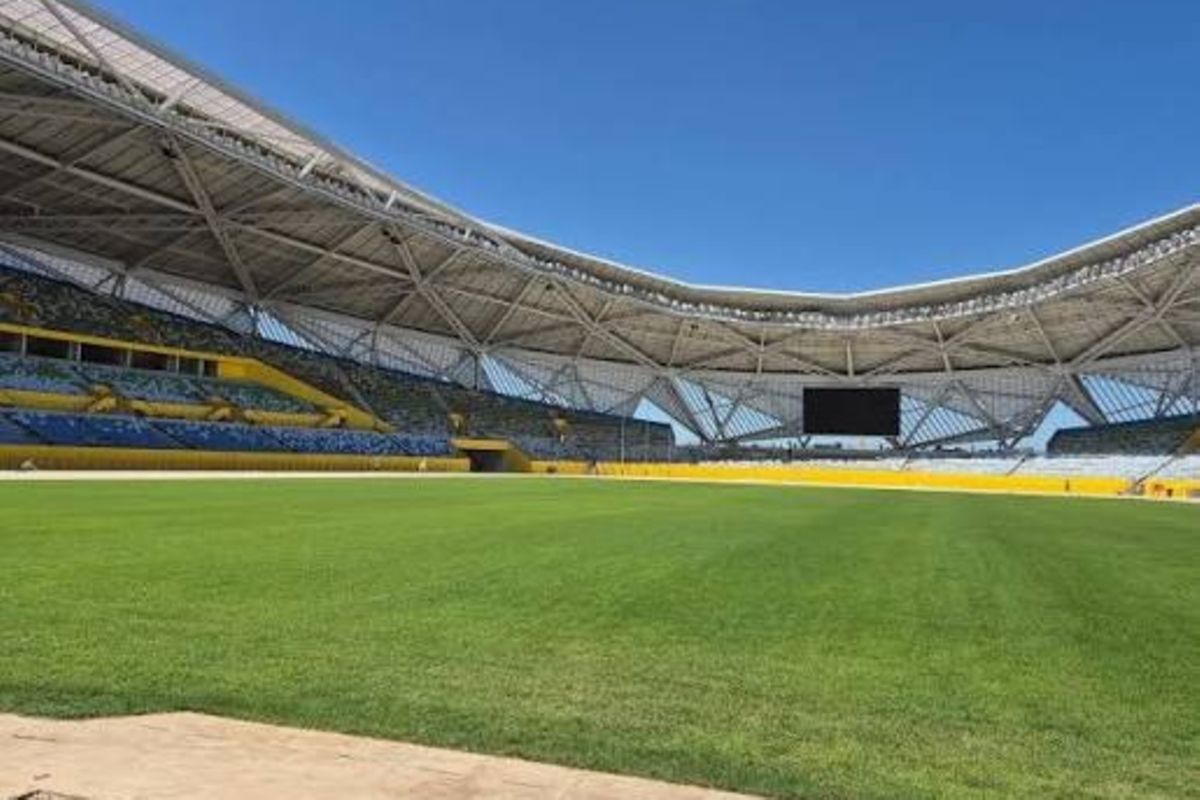
Tanzania is exploring a potential partnership with Spanish giants FC Barcelona as the country looks to use the momentum surrounding AFCON 2027 to strengthen its football development system. The discussions come as Tanzania prepares to co-host the Africa Cup of Nations alongside Kenya and Uganda, creating an opportunity for the country to use the tournament not only as a sporting showcase but also as a platform for long-term football development.
The proposed relationship with Barcelona is particularly significant because the Catalan club is globally recognised for its youth-development model, academy structure and emphasis on technical football. For Tanzania, cooperation with an institution of that stature could potentially provide new approaches to player development, coaching, academy management and football administration.
However, the proposal remains at the exploration stage. Tanzania has not announced a completed agreement with Barcelona, meaning the real test will be whether discussions can eventually produce a structured programme that benefits young Tanzanian players and the country’s wider football ecosystem.
Tanzania Wants AFCON 2027 to Leave a Legacy.
The timing of the discussions is important. Tanzania, together with Kenya and Uganda, will host AFCON 2027, giving East Africa its biggest football event in decades and putting the region under intense international attention.
For Tanzania, the tournament presents an opportunity that extends well beyond matchday revenue and stadium development. The country has an opportunity to use the competition to strengthen its domestic football structures and create a stronger pipeline of players capable of competing at the highest African and international levels.
A partnership with FC Barcelona could fit into that wider ambition if it develops into practical programmes rather than remaining a symbolic association. Barcelona’s experience in youth football could be particularly relevant as Tanzania seeks to improve how young players are identified, trained and transitioned into professional football.
Barcelona’s Academy Model Is the Attraction.
Barcelona’s reputation in youth development has been built around La Masia, the club’s renowned academy system. The club continues to invest heavily in youth football, while its wider Barça Academy network operates internationally and is designed to transmit the club’s football methodology and values.
The club’s current academy structure remains focused on developing young players through technical training and coordinated sporting programmes. Barcelona has also continued to establish collaborations with football organisations in different markets, including recent partnerships designed to strengthen youth development.
For Tanzania, access to that expertise could help address one of the most important challenges facing African football: developing talented young players through structured systems before they attempt to make the jump into international football.
Tanzania Already Has a Growing Football Culture.
The country does not lack football enthusiasm. Clubs such as Young Africans SC and Simba SC have developed large domestic and regional followings, while Tanzanian football has become increasingly competitive in continental competitions.
The Tanzania Football Federation is also preparing for a busy 2026/27 domestic season, with the NBC Premier League already underway. Young Africans and Simba remain among the country’s biggest football institutions, with their performances providing an important foundation for the development of the national game.
The challenge is turning that popularity into a deeper development system. Tanzania needs more elite academies, stronger coaching structures, better scouting networks and clearer pathways from youth football into professional and national-team football.
That is where an international partnership could potentially make a difference.
Tanzania Needs More Than a Famous Name.
There is an important lesson from football partnerships across Africa. Associating with a major European club can generate publicity, but publicity alone does not produce better players.
For Tanzania to benefit, any eventual Barcelona relationship would need measurable programmes. These could include coach education, academy exchanges, talent identification, technical development, sports science, women’s football and administrative training.
It could also create opportunities for Tanzanian coaches and young players to gain exposure to European football environments without making overseas migration the only route to development.
That distinction will determine whether the proposed partnership becomes meaningful or simply another high-profile football announcement.
East Africa Is Becoming a Bigger Football Market.
Tanzania’s interest in Barcelona also reflects the growing commercial importance of East African football. AFCON 2027 will place Tanzania, Kenya and Uganda in the global spotlight, while the region’s large and youthful population represents an increasingly attractive market for international football brands.