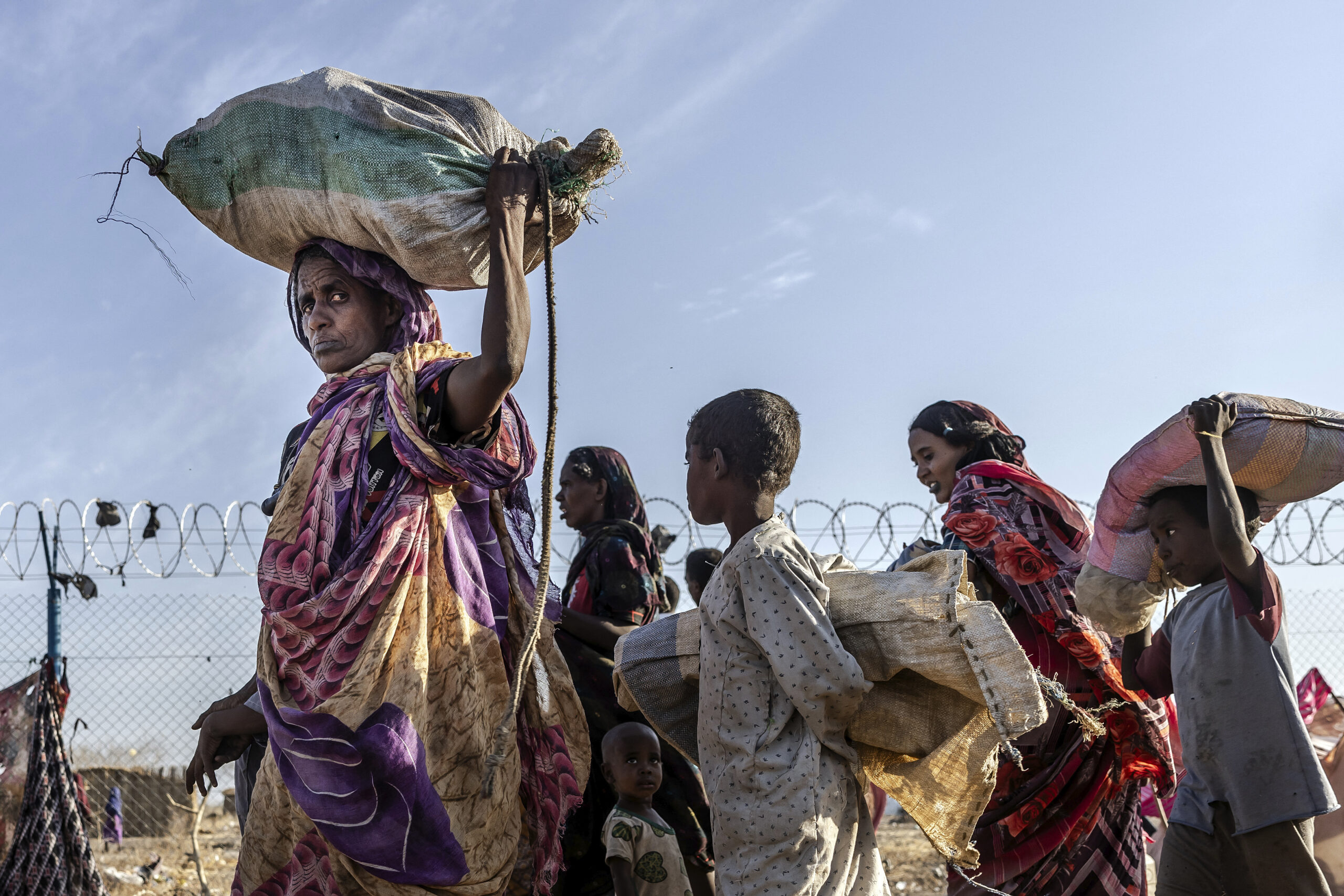
Sudan’s war has become one of Africa’s most devastating crises, transforming from a domestic power struggle into a complex conflict involving regional interests, international competition and a battle over who will determine the country’s future.
Since fighting broke out in April 2023, Sudan has been trapped in a brutal confrontation between the Sudanese Armed Forces (SAF) led by General Abdel Fattah al Burhan and the Rapid Support Forces (RSF) commanded by General Mohamed Hamdan Dagalo, commonly known as Hemedti.
What began as a dispute over political transition and the integration of armed forces has developed into a nationwide war that has killed thousands of people, displaced millions and pushed the country into one of the world’s worst humanitarian emergencies.
The biggest question now is no longer only who wins the battlefield. It is who controls the path toward peace.
A War Born From a Failed Political Transition
Sudan’s current crisis emerged after years of political instability following the removal of long time president Omar al Bashir in 2019.
After Bashir’s fall, Sudan entered a fragile transition involving civilian political groups and military leaders. The country was expected to move toward democratic elections, but tensions between military factions continued to grow.
General Burhan, who leads the SAF, and General Hemedti, who controls the RSF, became the two most powerful figures in the transition.
The disagreement over how and when the RSF would be integrated into the national army became one of the final triggers for open conflict.
The result was a war between two powerful armed groups, leaving civilians caught in the middle.
The Battle for Sudan’s Resources and Strategic Position
Sudan’s importance goes beyond its borders.
The country has significant gold resources, fertile agricultural land and a strategic location along the Red Sea, making it important to regional and global powers.
These factors have increased international interest in the conflict.
Several countries have been accused of supporting different sides of the war through political relationships, economic interests or alleged military assistance. Many of these accusations have been denied by the countries involved.
However, analysts argue that foreign influence has complicated peace efforts because different external actors may have different interests in Sudan’s future.
Are Outside Powers Helping or Extending the War?
One of the biggest debates surrounding Sudan is whether foreign involvement is contributing to peace or making the conflict longer.
Supporters of international involvement argue that diplomacy, humanitarian assistance and pressure on the warring parties are necessary to stop the violence.
Critics, however, warn that external competition can prolong conflicts by allowing armed groups to continue receiving resources and political support.
In Sudan’s case, the presence of competing regional interests has raised concerns that the country could become another arena for wider geopolitical struggles.
The longer the conflict continues, the more difficult it becomes to rebuild a united political system.
Millions of Civilians Pay the Price
While military leaders compete for power, ordinary Sudanese people continue to face the greatest suffering.



