Zambia is targeting average economic growth of about 7% between 2027 and 2029, as the government moves its economic agenda from stabilising the economy toward attracting investment, increasing production, expanding exports and creating jobs. The target was announced by the Finance Ministry on September 28 as part of the country’s medium-term economic framework.
Growth Target Rises Over Three Years.
Under the government’s projections, Zambia’s economy is expected to grow by 6% in 2027, 7.5% in 2028 and 7.1% in 2029. The country’s 2026 budget had projected 6.4% growth for this year, although the International Monetary Fund currently has a considerably lower 2026 growth forecast of 4.3%.
The difference between the government’s projections and the IMF forecast highlights the scale of the expansion Zambia is seeking. The government says the improvement should come from increased investment and production rather than relying primarily on macroeconomic stabilisation.
Mining, Agriculture and Energy at the Centre.
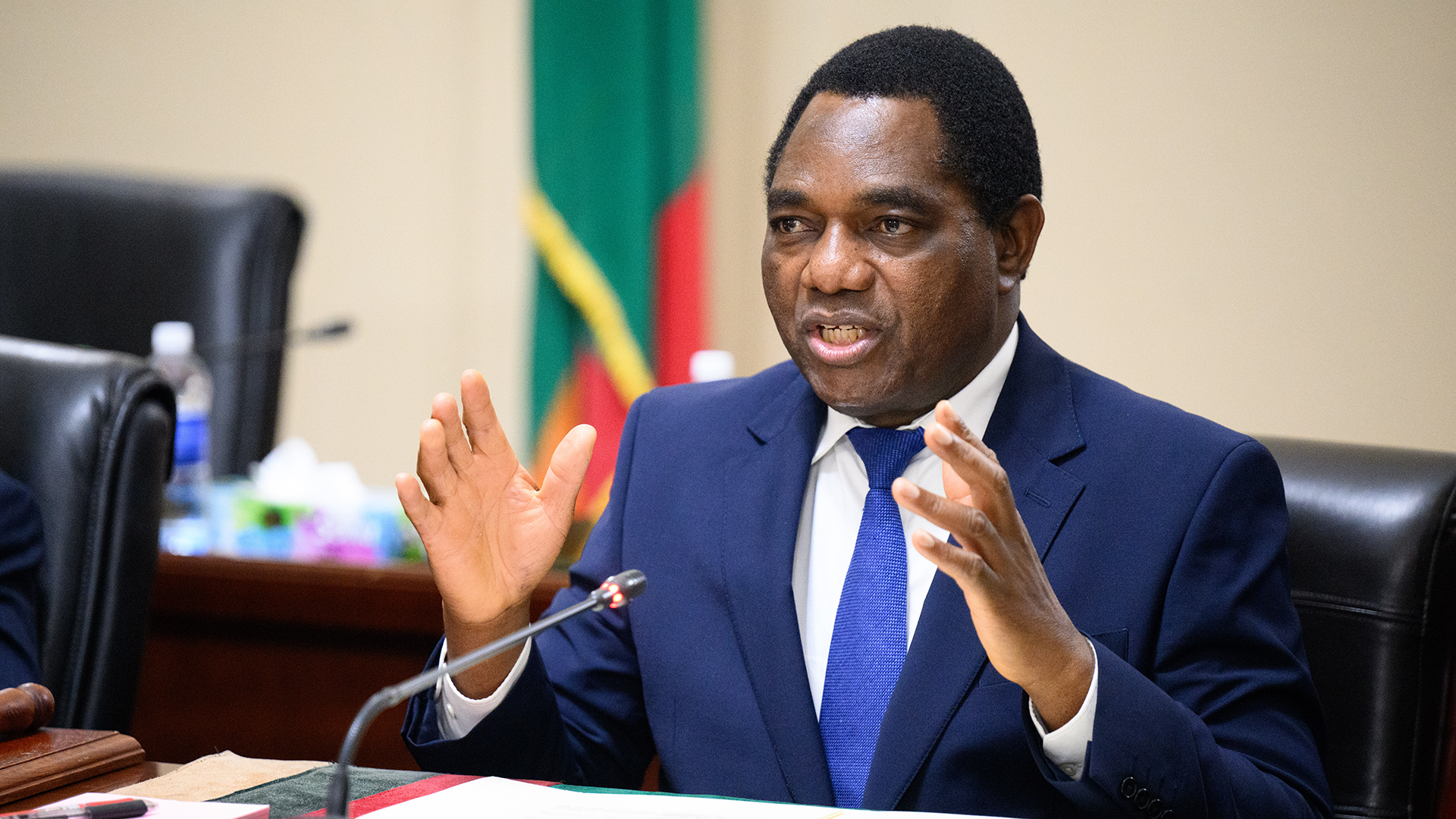
Finance Minister Situmbeko Musokotwane said Zambia now wants to use the stability achieved through its debt-restructuring process as a platform for stronger economic activity.
The government is placing particular emphasis on mining, energy and agriculture, sectors that already account for a substantial part of Zambia’s economic activity. The medium-term plan also includes ambitions for stronger exports and increased employment.
Copper remains central to the strategy. Zambia is seeking to increase production while also attracting investment into other minerals that are becoming increasingly important to global energy and technology supply chains.
Debt Restructuring Changes the Economic Picture.
The growth strategy follows years of financial pressure after Zambia became the first African country to default on its sovereign debt during the COVID-19 pandemic.
The country has since completed a prolonged external debt-restructuring process, allowing the government to shift attention toward investment and economic expansion. Musokotwane played a central role in those negotiations and was recently reappointed as finance minister following last month’s election.