When governments across Africa prepare their annual budgets, billions of dollars are allocated to roads, healthcare, education, agriculture, energy and defence. These sectors are rightly seen as pillars of economic development.
Yet one industry that continues to receive relatively little public investment is the creative economy—despite growing evidence that it has become one of the continent’s most promising engines of employment, entrepreneurship and global influence.
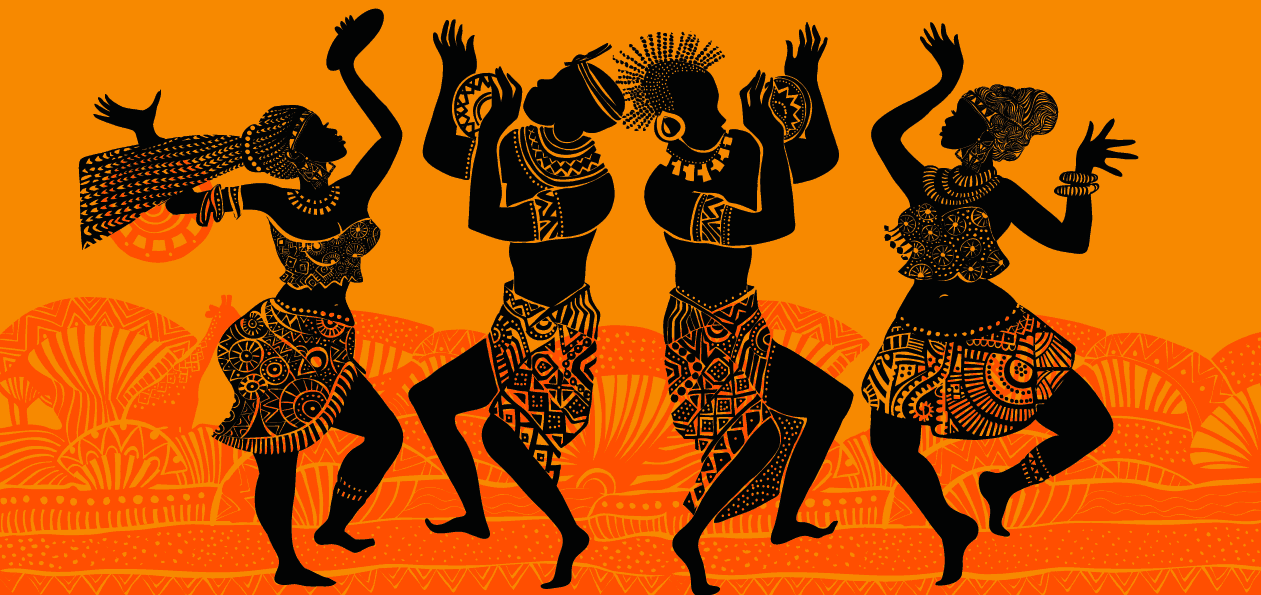
For too long, music, film, fashion, gaming, design and the performing arts have been treated as cultural luxuries rather than economic assets. That mindset is costing Africa billions of dollars in lost opportunities.
The question is no longer whether governments should support the creative industries.
The question is whether Africa can afford not to.
The Numbers Tell a Different Story
The global creative economy is no small market.
According to UNESCO, the cultural and creative industries generate more than US$2.25 trillion in annual revenue and support nearly 50 million jobs worldwide. Around half of those jobs are held by young people under the age of 30, making the sector one of the world’s largest employers of youth.
Africa, however, captures only a small fraction of this value despite having one of the youngest populations on Earth.
By 2050, the continent is expected to be home to one in every four people globally, according to the United Nations. That demographic shift presents an enormous opportunity—if young Africans can find productive employment.
The creative industries could become part of that solution.
Africa Is Already Exporting Culture
African music has become one of the continent’s most successful exports.
Artists such as Burna Boy, Tems, Wizkid, Davido, Rema, Tyla, Diamond Platnumz, Yemi Alade, and Ayra Starr regularly headline international festivals, win prestigious awards and dominate global streaming platforms.
Nollywood has become one of the world’s largest film industries by volume, producing thousands of films every year and contributing significantly to Nigeria’s economy.
Fashion designers from Ghana, South Africa, Côte d’Ivoire, Senegal and Kenya are appearing on international runways, while African visual artists continue to command record prices at global auctions.
The world is buying African culture.
The irony is that many African governments still invest very little in the industries producing it.
Public Investment Remains Limited
Most African countries have ministries responsible for culture, but many operate with relatively modest budgets compared with sectors such as infrastructure or agriculture.
As a result, artists and creative entrepreneurs often struggle with inadequate infrastructure, limited access to finance, weak copyright enforcement, and a shortage of professional training institutions.
Concert venues, theatres, recording studios, film production facilities and creative hubs remain scarce in many countries.
When governments do invest, funding is often concentrated on one-off festivals or ceremonial events rather than long-term industry development.
That approach may create memorable occasions, but it rarely builds sustainable businesses.
South Africa Shows What Is Possible
South Africa provides an example of how consistent public support can strengthen creative industries.
Institutions such as the National Film and Video Foundation (NFVF) have provided funding for filmmakers, while the Department of Sport, Arts and Culture supports cultural programmes and heritage initiatives.
These investments have helped South Africa develop one of the continent’s strongest film industries and attract international productions from companies including Netflix, Amazon MGM Studios, and major Hollywood producers.
The result has been job creation, skills development and increased tourism.
No system is perfect, but it demonstrates that public investment can produce measurable economic returns.
Rwanda Is Investing in Culture as Economic Strategy
Rwanda has also taken a strategic approach.
Through partnerships with organisations such as the Basketball Africa League, Move Afrika, and global entertainment companies, Kigali has positioned itself as a destination for international events.
President Paul Kagame has repeatedly argued that sports, culture and entertainment should be viewed as economic sectors capable of attracting tourism, investment and global visibility.
The strategy is already producing results.
International concerts, conferences and sporting events are bringing visitors, creating jobs and strengthening Rwanda’s reputation as a regional events hub.
Financing Remains One of the Biggest Barriers
One of the greatest challenges facing African creatives is access to capital.
Unlike technology startups or manufacturing businesses, musicians, filmmakers and designers often struggle to secure bank loans because their intellectual property is not always recognised as collateral.
Many commercial banks remain reluctant to finance creative projects that they consider risky or difficult to evaluate.
As a result, countless promising businesses never grow beyond the informal stage.
The African Export-Import Bank (Afreximbank) has recognised this gap.