Africa is standing at a historic crossroads. The continent has the youngest population in the world, a generation full of creativity, ambition and entrepreneurial energy. But behind this demographic advantage lies a difficult question: will Africa transform its young population into an engine of economic growth, or will it become a source of unemployment, frustration and instability?
More than 60% of Africa’s population is under the age of 25, making the continent the youngest region globally. By 2050, Africa’s youth population is expected to grow significantly, creating one of the largest potential workforces in the world.
For many African leaders and international organisations, this represents a once-in-a-generation opportunity. But experts warn that a young population is only an advantage when countries create the education systems, jobs and opportunities needed to support it.
Africa’s Demographic Advantage
The African Union has consistently described the continent’s youth population as a potential “demographic dividend”, arguing that young Africans can become a major force for economic transformation if governments invest in skills development, entrepreneurship and employment opportunities.
The AU has highlighted that Africa has more than 400 million young people between the ages of 15 and 35, making youth development one of the continent’s most important priorities.
However, the demographic dividend is not automatic.
A large young population can drive innovation, productivity and economic growth, but it can also create pressure on governments if millions of young people enter adulthood without access to jobs, education or financial opportunities.
The future of Africa’s youth depends less on population size and more on whether the continent can create an environment where young people can succeed.
The Jobs Challenge: Africa’s Biggest Test
The biggest challenge facing Africa’s youth is employment.
According to the African Development Bank (AfDB), Africa’s economies are not creating jobs fast enough to match the number of young people entering the workforce.
The bank has highlighted a major gap: while approximately 12 million young Africans enter the labour market every year, only around 3 million formal jobs are created annually.
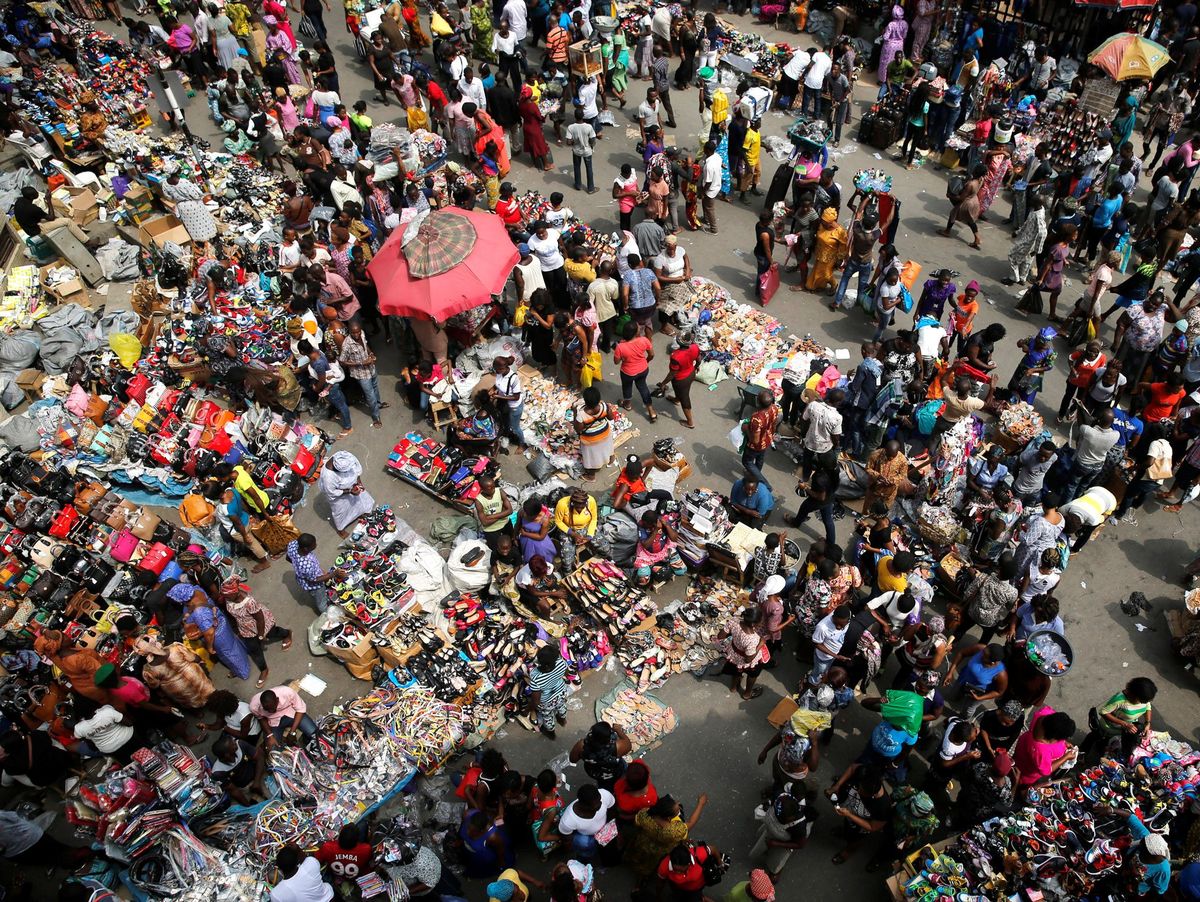
This imbalance means millions of young people are forced into informal work, unemployment or migration in search of better opportunities.
The message from economic experts is clear: Africa does not lack young talent. It lacks enough systems to absorb and develop that talent.
Education Must Prepare Young Africans for Tomorrow
One of Africa’s greatest challenges is ensuring that education systems match the demands of the modern economy.
Traditional education models have produced millions of graduates, but many young people leave schools and universities without the digital skills, technical training or entrepreneurial knowledge required in today’s economy.
The rise of artificial intelligence, automation, renewable energy and digital businesses is changing the global job market. Africa’s young population must be prepared for these industries if the continent wants to compete internationally.
The World Bank, in a February 2026 announcement, warned that skills development will be critical for Africa’s future workforce. The institution launched a programme targeting the training of 18 million young people in Eastern and Southern Africa by 2034, recognising that millions of young Africans need better access to skills and employment pathways.
The challenge is not only creating more schools. It is creating education systems that connect directly to economic opportunities.
Africa’s Youth Are Already Creating the Future
Despite the challenges, Africa’s young generation is already demonstrating its potential.
Across the continent, young entrepreneurs are building technology companies, creating financial solutions, developing agricultural innovations and expanding Africa’s digital economy.
The global success of African music, film, fashion and creative industries also shows the power of youth-driven innovation.
From Afrobeats artists reaching global audiences to African fintech companies transforming financial access, young Africans are proving that they are not simply waiting for opportunities. They are creating new industries.