For more than two decades, the African Growth and Opportunity Act has represented one of the most important economic links between the United States and Africa. But now that AGOA has been extended to December 31, 2028, the bigger question is no longer whether African countries should welcome the extension. The more important question is whether Africa should continue approaching American trade preferences as a solution to its development challenges, or whether the continent should finally use the next two years to build a stronger trading system of its own.
The latest extension was welcomed by many African and American stakeholders. The U.S. Senate approved it by 90 votes to six, while the House passed it by 370 votes to 48. WTO Director-General Ngozi Okonjo-Iweala was among those who welcomed the continuation of the programme, while the Corporate Council on Africa described the extension as important for maintaining commercial opportunities between the two sides.
But there is a danger in celebrating the extension without asking why AGOA has produced such uneven results over the years. Africa has gained access to the American market, but many African economies have remained heavily dependent on exporting commodities, while the continent continues to import finished products that could potentially be manufactured locally.
That contradiction should now be at the centre of the conversation.
Is Africa Still Thinking Too Small About Trade?

Ghanaian economist Professor Godfred Bopkin has argued that African countries need to use the African Continental Free Trade Area to move businesses from local markets into continental and eventually global markets. His argument is important because Africa cannot realistically build strong global companies if its businesses remain trapped within fragmented national markets.
The argument is even more powerful when viewed alongside Ngozi Okonjo-Iweala’s broader position on African trade. The WTO chief has repeatedly called for faster implementation of AfCFTA and stronger African value chains, pointing to the contradiction of African countries finding it more difficult and expensive to trade with one another than with markets outside the continent.
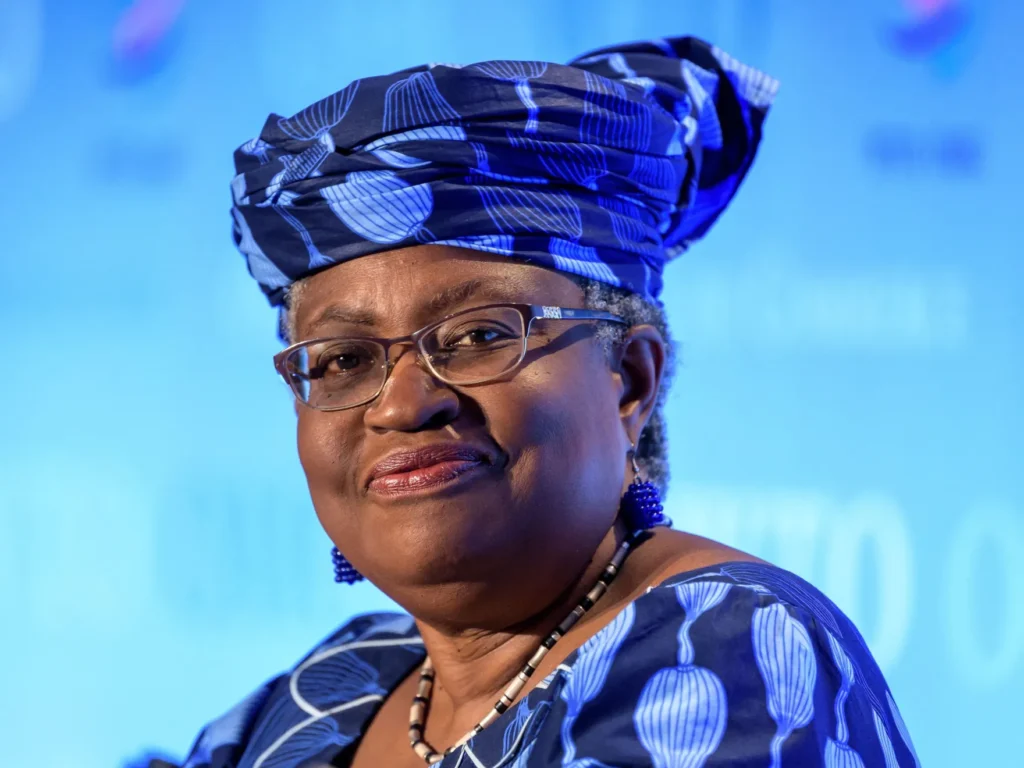
That is perhaps the fundamental problem with the AGOA debate. Africa often discusses access to Europe, America or Asia before asking whether African producers can successfully sell to consumers in neighbouring countries.
If a manufacturer in Cameroon cannot efficiently transport goods to Nigeria, or a producer in Ghana struggles to reach markets in Côte d’Ivoire and Senegal, then preferential access to the United States alone cannot solve the structural problem.
What Does Dangote’s Experience Tell Africa?
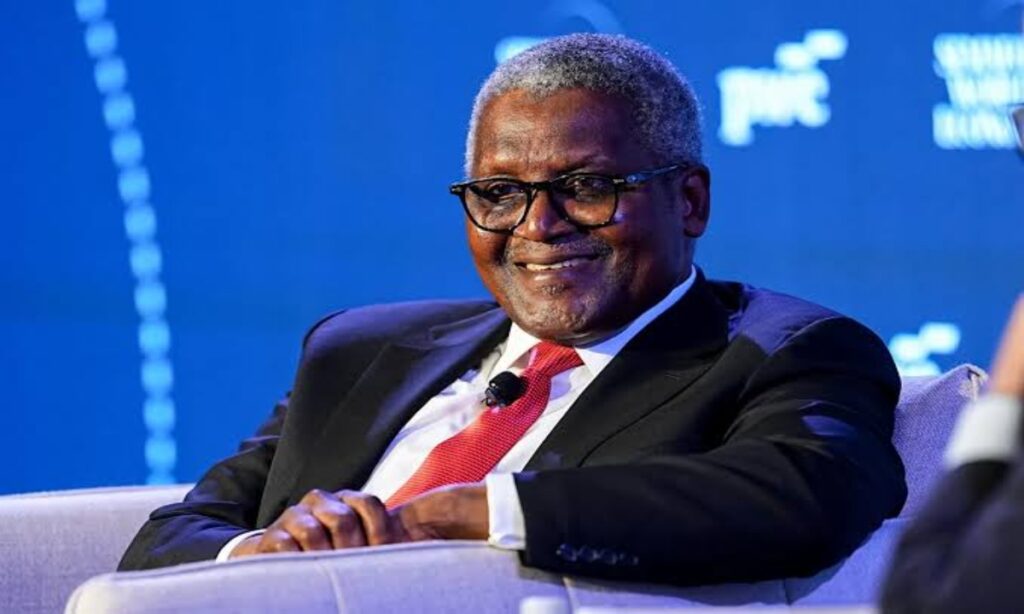
Few African businessmen have made a stronger argument for industrialisation than Aliko Dangote.
Dangote has repeatedly argued that Africa needs to move beyond exporting raw materials and instead build industries capable of processing those resources on the continent. His own business strategy has been built around that philosophy, from cement and fertiliser to petrochemicals and refining.
That philosophy has become particularly visible through the Dangote Refinery. Rather than exporting crude oil and importing refined petroleum products, the project represents an attempt to keep more of the value chain inside Africa.
For Dangote, the broader issue is not simply whether Africa can sell more products abroad. It is whether African economies can produce enough of those products in the first place.
His position challenges the idea that Africa’s biggest economic problem is simply a lack of foreign buyers. In many cases, the problem is that Africa does not produce enough finished goods to sell.
The continent has the minerals, agricultural products, energy resources and human capital. What it often lacks is the industrial infrastructure required to turn those resources into competitive products.
Can AGOA Still Transform African Economies?
There is a strong argument that AGOA remains useful.
For African exporters, access to one of the world’s largest consumer markets is valuable. The programme has supported industries such as apparel and created opportunities for countries capable of developing export-oriented manufacturing. Its continuation also gives businesses greater certainty at a time when global trade is becoming increasingly unpredictable.
Ngozi Okonjo-Iweala herself welcomed the extension, saying she hoped it would stimulate mutually beneficial and greater Africa-U.S. trade. That position matters because AGOA remains a valuable bridge between African producers and the American market.
But the evidence also shows that AGOA’s impact has been uneven. Analysts have argued that although Africa has changed dramatically since AGOA was introduced in 2000, the programme’s promise of market access and industrial diversification has not been achieved equally across the continent.
That should not necessarily be interpreted as a failure of AGOA alone. African governments also have to accept responsibility.
Trade preferences cannot build factories where governments have failed to provide reliable electricity. They cannot create efficient ports where customs systems remain slow. They cannot build roads, railways or digital payment infrastructure. And they cannot force African businesses to become globally competitive.
Those are domestic and continental responsibilities.
What Does Okonjo-Iweala’s Position Mean for Africa?
The significance of Ngozi Okonjo-Iweala’s position is that she does not present African development as a choice between global trade and African integration.
Africa should therefore avoid presenting the choice as either AGOA or AfCFTA. The smarter strategy is both.