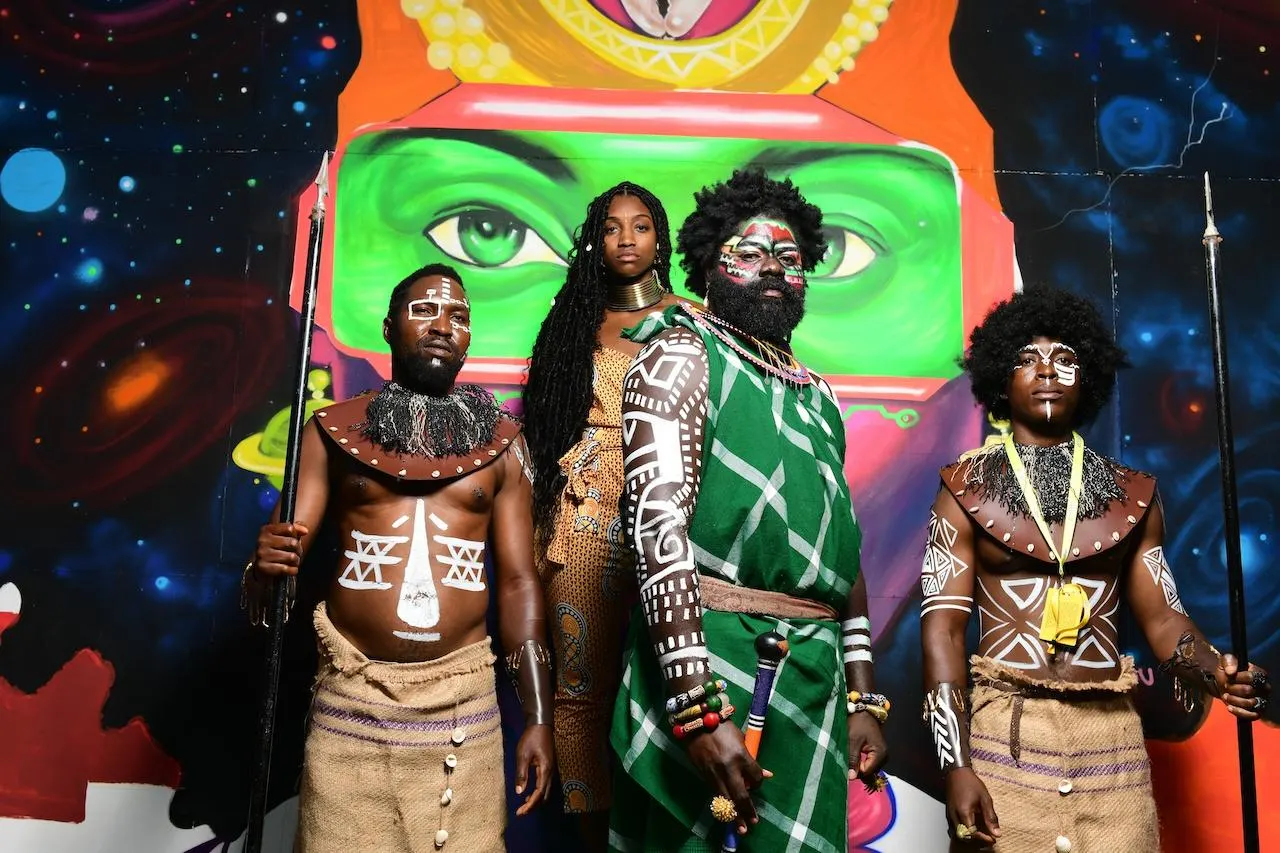
Every year, Africa hosts hundreds of music festivals that attract thousands of fans, millions of online viewers, and some of the biggest names in global entertainment. From Afro Nation and Cape Town International Jazz Festival to Bushfire Festival, Festival sur le Niger, MOGA Festival, Felabration, and dozens of emerging events, these festivals have become symbols of Africa’s cultural renaissance.
Yet behind the dazzling stages, international headliners, and sold-out crowds lies a difficult question that the industry rarely asks:
Are African music festivals truly creating tomorrow’s stars, or are they simply celebrating artists who are already famous?
The answer is uncomfortable. While festivals have become bigger and more commercially successful, many have done little to build sustainable pathways for emerging artists. If Africa wants its music industry to compete globally over the next decade, festivals must evolve from entertainment events into talent development platforms.
Festivals Have Never Been More Popular
Africa’s live music industry has grown dramatically over the past decade.
The global success of Afrobeats, Amapiano, Afro-fusion, and other African genres has created unprecedented demand for festivals showcasing African talent. Events now attract visitors from Europe, North America, Asia, and the Caribbean, contributing significantly to tourism and local economies.
South Africa’s Cape Town International Jazz Festival, often called “Africa’s Grandest Gathering,” has welcomed tens of thousands of attendees annually while featuring a mix of African and international artists. Afro Nation, launched in 2019, has expanded beyond Ghana to Portugal and the United States, demonstrating the worldwide appeal of African music.
Governments have also begun to recognise festivals as economic assets rather than purely cultural events. Countries such as Rwanda, Ghana, Morocco, and South Africa increasingly promote major festivals as part of their tourism strategies.
This growth should be creating unprecedented opportunities for new musicians.
Too often, it does not.
The Same Headliners Dominate Every Line-up
Look at the posters of many major African festivals over the past five years and a pattern quickly emerges.
The same handful of artists frequently headline multiple events. Burna Boy, Wizkid, Davido, Tems, Asake, Diamond Platnumz, Tyla, and a few other established names dominate festival circuits across the continent.
Their popularity is understandable. They sell tickets, attract sponsors, and generate media attention.
Festival organisers argue that booking internationally recognised artists reduces financial risk. Sponsors also prefer familiar names with proven commercial value.
But this creates a cycle where emerging artists receive limited exposure while established stars become even more dominant.
For many talented musicians, getting a festival slot remains more difficult than producing a hit song.
Discovery Is Becoming an Afterthought
Historically, festivals played an important role in discovering new talent.
Events such as South by Southwest (SXSW) in the United States helped launch careers for artists including John Mayer, Billie Eilish, Lizzo, and The White Stripes long before they became global stars.
The Montreux Jazz Festival in Switzerland famously provided early international exposure to artists such as Prince, Etta James, and George Benson.
Africa has relatively few festivals with structured talent discovery programmes of comparable scale.
Many festivals advertise “emerging artist” categories, but these performances are often scheduled early in the day before large audiences arrive. Headline acts receive prime evening slots, while newcomers perform to half-empty venues with minimal media coverage.
Exposure matters—but timing matters just as much.
The Industry Needs More Than Performance Slots
Simply allowing an artist to perform is no longer enough.
Today’s musicians need access to managers, publishers, distributors, booking agents, investors, streaming platforms, producers, and international media.
Some African festivals have started integrating business conferences, workshops, and networking events.
Examples include Music In Africa Conference for Collaborations, Exchange and Showcases (ACCES) and Visa For Music in Morocco, which combine performances with discussions on copyright, publishing, digital distribution, touring, and music business development.
These initiatives demonstrate what is possible.
However, they remain exceptions rather than the norm.
Imagine if every major African festival included mentorship programmes, songwriting camps, label showcases, investment forums, and live audition opportunities.
The impact on Africa’s creative economy could be transformative.