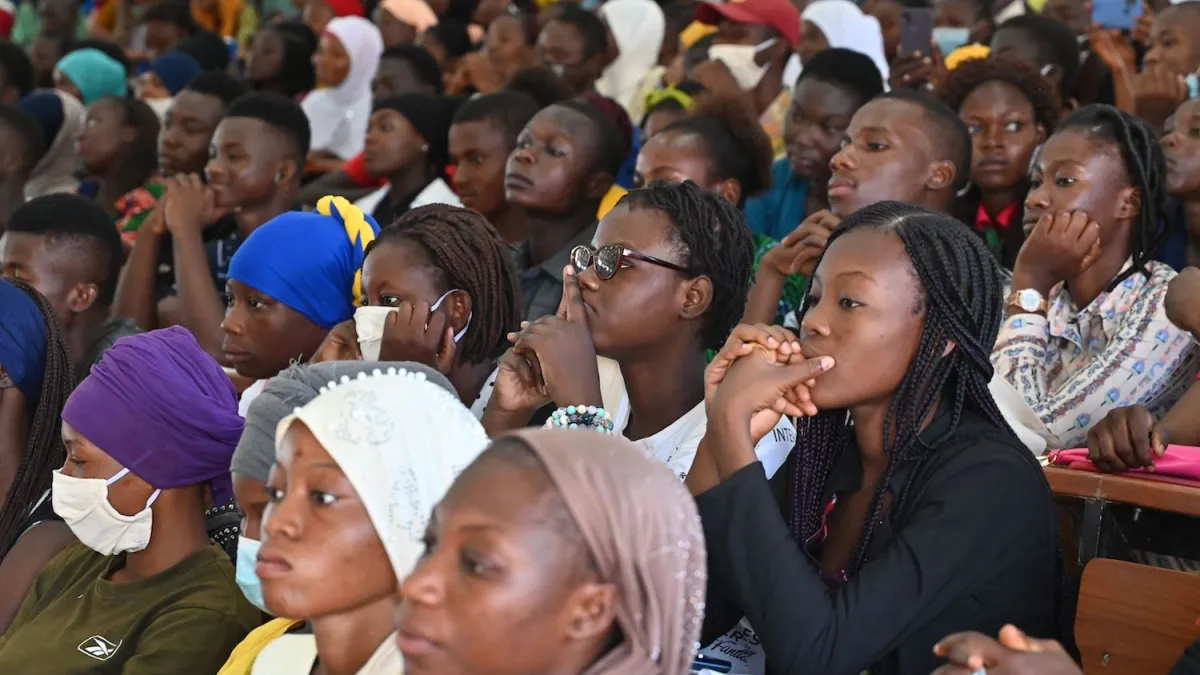
New Study Highlights Frustration Among Young Cameroonians.
A new Afrobarometer report has highlighted growing frustration among young people in Cameroon, with unemployment, limited economic opportunities and pessimism about the country’s future contributing to increased interest in emigration. The report, released on 18 August 2026, provides one of the latest snapshots of how economic pressures are shaping the attitudes and aspirations of Cameroon’s younger population.
The study found that 36% of young Cameroonians are unemployed and actively looking for work, while 61% say they have considered emigrating. The findings point to a widening gap between the aspirations of young people and the opportunities available to them at home. For a country with a large youthful population, that gap represents not only an economic challenge but also a potential long-term development problem.
The figures are particularly significant because Cameroon has one of Central Africa’s largest and most youthful populations. Young people represent a major potential source of innovation, entrepreneurship and economic growth, but those advantages can only be realised if the economy creates sufficient opportunities for them to participate productively.
Unemployment Is Driving a Broader Sense of Pessimism.
According to Afrobarometer, unemployment is one of the most important concerns shaping the outlook of Cameroon’s youth. The lack of stable employment affects more than income. It can influence decisions about education, family formation, entrepreneurship and whether young people believe they have a future within their own country.
For many young people, obtaining formal employment remains difficult even after completing secondary or higher education. The mismatch between qualifications and available jobs means that graduates can spend years searching for opportunities or moving between temporary and informal work.
This creates a difficult cycle. Young people without stable incomes have less ability to invest in businesses, housing or further education, while businesses themselves may struggle to find workers with the practical skills required for expanding sectors of the economy.
Emigration Becomes an Alternative.
The finding that 61% of young Cameroonians have considered leaving the country is perhaps the most striking element of the study. Not everyone who considers migration will ultimately leave, but the figure demonstrates how strongly international mobility has entered the thinking of Cameroon’s youth.
For some, migration is viewed as an opportunity to access better employment, higher wages and stronger professional environments. Others may see it as a way to pursue education or acquire skills that are difficult to develop within the domestic economy.
The growing interest in emigration also reflects the influence of the Cameroonian diaspora. Young people increasingly have access to stories, networks and information from relatives and friends living abroad, making migration appear more achievable than it might have been for previous generations.
However, migration is not without risks. Young Africans travelling through irregular routes can face exploitation, trafficking, detention and dangerous journeys. Even those who migrate through legal channels can encounter difficulties obtaining employment, securing residency and integrating into unfamiliar societies.
The Problem Goes Beyond Finding Jobs.
Cameroon’s youth employment challenge cannot be addressed simply by creating more vacancies. The economy also needs to create productive and sustainable jobs capable of providing young people with incomes that allow them to build independent lives.
This requires investment in sectors capable of absorbing large numbers of workers, including agriculture, manufacturing, construction, technology, creative industries and services.
The country’s informal economy already provides livelihoods for millions of people, but informal employment often lacks social protection, predictable income and opportunities for professional advancement. Moving more economic activity into productive formal enterprises could therefore make a significant difference.
At the same time, policymakers face the challenge of ensuring that economic growth translates into employment. Growth in sectors such as extractive industries can increase national output without necessarily generating enough jobs for a rapidly expanding young population.
Entrepreneurship Is Not a Complete Solution.
African governments frequently present entrepreneurship as an answer to youth unemployment, and Cameroon is no exception. Encouraging young people to create businesses can help generate employment and diversify the economy.
But entrepreneurship cannot be treated as a substitute for a functioning labour market.
Starting a business requires access to finance, reliable electricity, affordable internet, infrastructure, markets and predictable regulation. Many young entrepreneurs face difficulty accessing credit or expanding beyond very small operations.
The government and private sector therefore need to create an environment in which young businesses can survive and grow rather than simply encouraging young people to become entrepreneurs without addressing the structural barriers they face.