
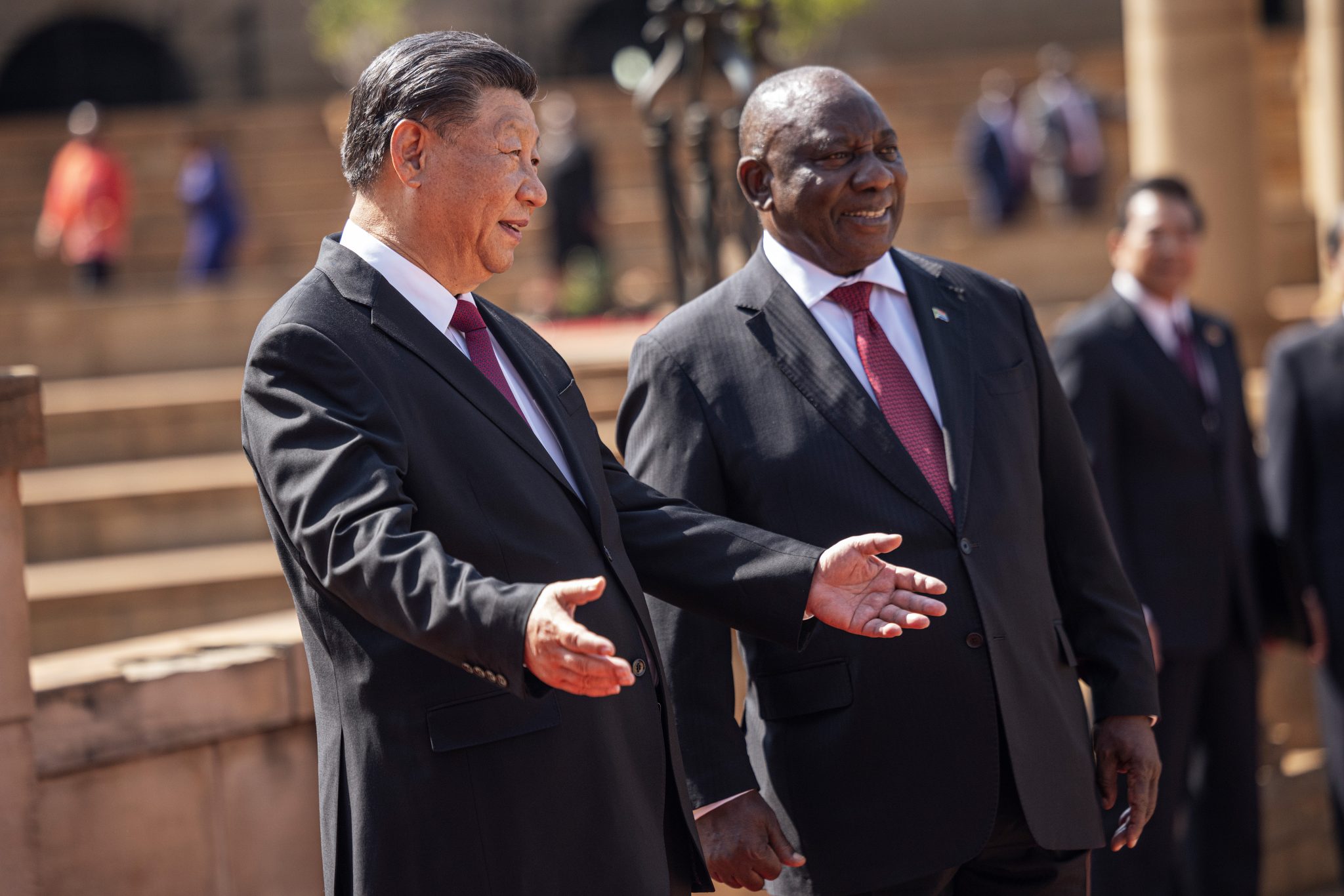
China has announced a major expansion of preferential market access for African exporters, with zero-tariff treatment being extended to products from 53 African countries with which Beijing has diplomatic relations.
The move could create new opportunities for African businesses seeking access to one of the world’s largest consumer markets.
But the policy also raises a more difficult question: are African countries prepared to produce and export enough goods to take full advantage of the opportunity?
Opening China’s Market.
For African exporters, lower tariffs can make products more competitive in the Chinese market.
The policy could benefit sectors such as agriculture, food processing, textiles and other industries capable of supplying Chinese consumers.
For countries seeking to diversify their exports beyond raw materials, greater access to China could provide an important opportunity.
But access to a market does not automatically guarantee success.
Africa’s Export Challenge.
Many African economies remain heavily dependent on commodities such as oil, minerals and agricultural raw materials.
The continent has long struggled to move further up global value chains.
Instead of exporting finished products, many countries continue to export raw materials and import manufactured goods.
The new Chinese trade opportunity could therefore become an incentive for African governments and businesses to invest more heavily in processing and manufacturing.
Production Capacity Will Matter.
The biggest challenge may be whether African businesses can produce goods at the scale, quality and consistency required by the Chinese market.
Exporters need reliable electricity, efficient transport systems, modern ports, access to finance and competitive production costs.
Without these improvements, preferential tariffs may not translate into significantly higher exports.