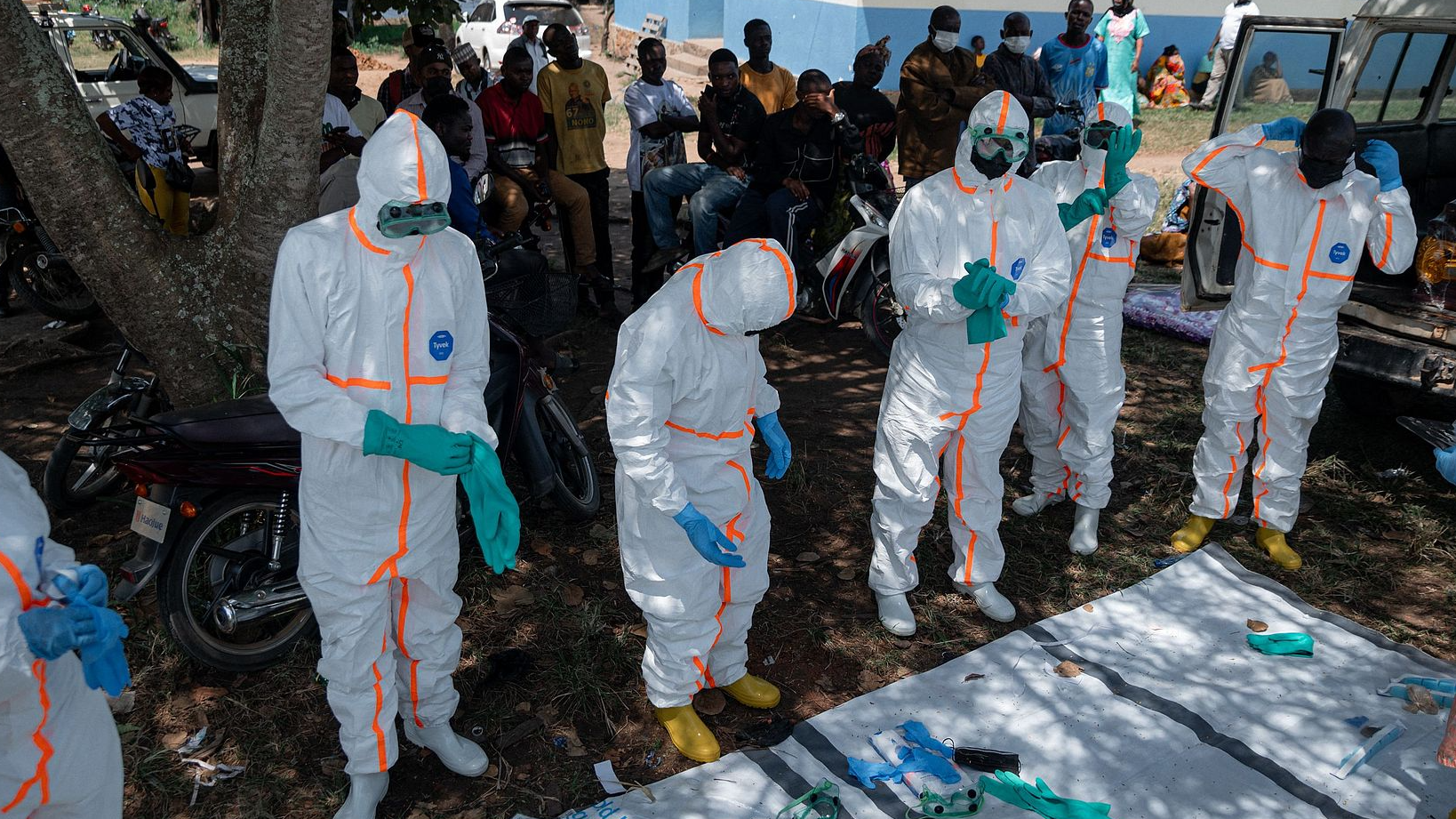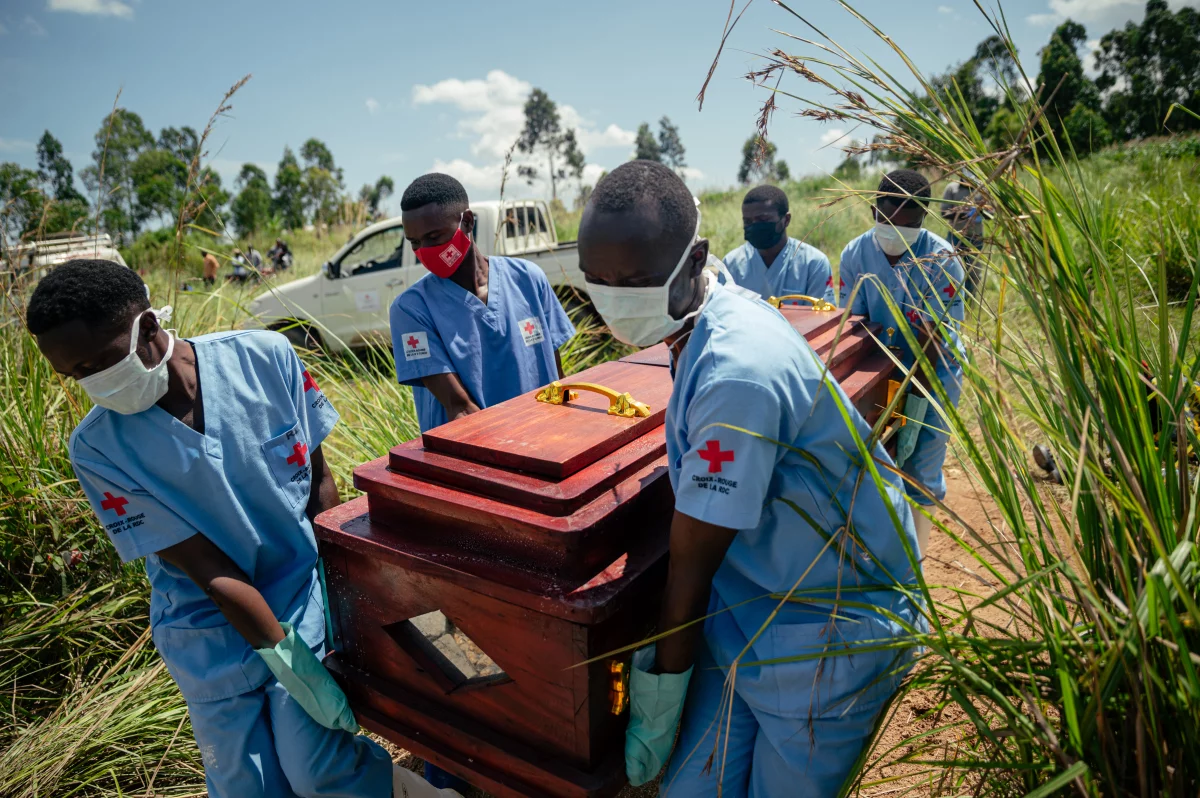
The Ebola outbreak in the Democratic Republic of the Congo (DRC) is continuing to accelerate, with health officials warning that the virus is spreading faster than response teams can contain it. The latest figures show that the outbreak has surpassed 2,000 confirmed cases, making it one of the largest Ebola epidemics ever recorded in Africa.
While neighbouring Uganda has entered the final phase before being declared Ebola-free, the situation in eastern Congo remains critical as health workers struggle with rising infections, insecurity, and community resistance.
Deaths Continue to Rise
According to Congolese health authorities and the World Health Organization (WHO), the outbreak has recorded more than 2,000 confirmed infections and over 700 deaths since it was declared in May.
Health experts believe the actual number of infections could be significantly higher because many cases are never reported or are discovered only after patients have died. New infections continue to be concentrated in the eastern provinces of Ituri, North Kivu, and Haut-Uele, where conflict and population movements have made disease surveillance extremely difficult.
Transporting Bodies Fuels the Spread
The International Organization for Migration (IOM) has raised fresh concerns over the movement of Ebola victims’ bodies between communities.
Health officials say the Bundibugyo strain of Ebola remains highly infectious after death, meaning traditional funeral practices and the transport of bodies can quickly spread the virus to new areas.
The IOM has documented more than 100 cases in which bodies of Ebola victims were moved between districts, with at least one incident directly linked to new infections. Officials are urging families to allow trained burial teams to conduct safe and dignified burials to prevent further transmission.
Conflict Hampers Response Efforts
Containing the outbreak has become increasingly difficult because many of the affected communities are located in areas plagued by armed conflict.
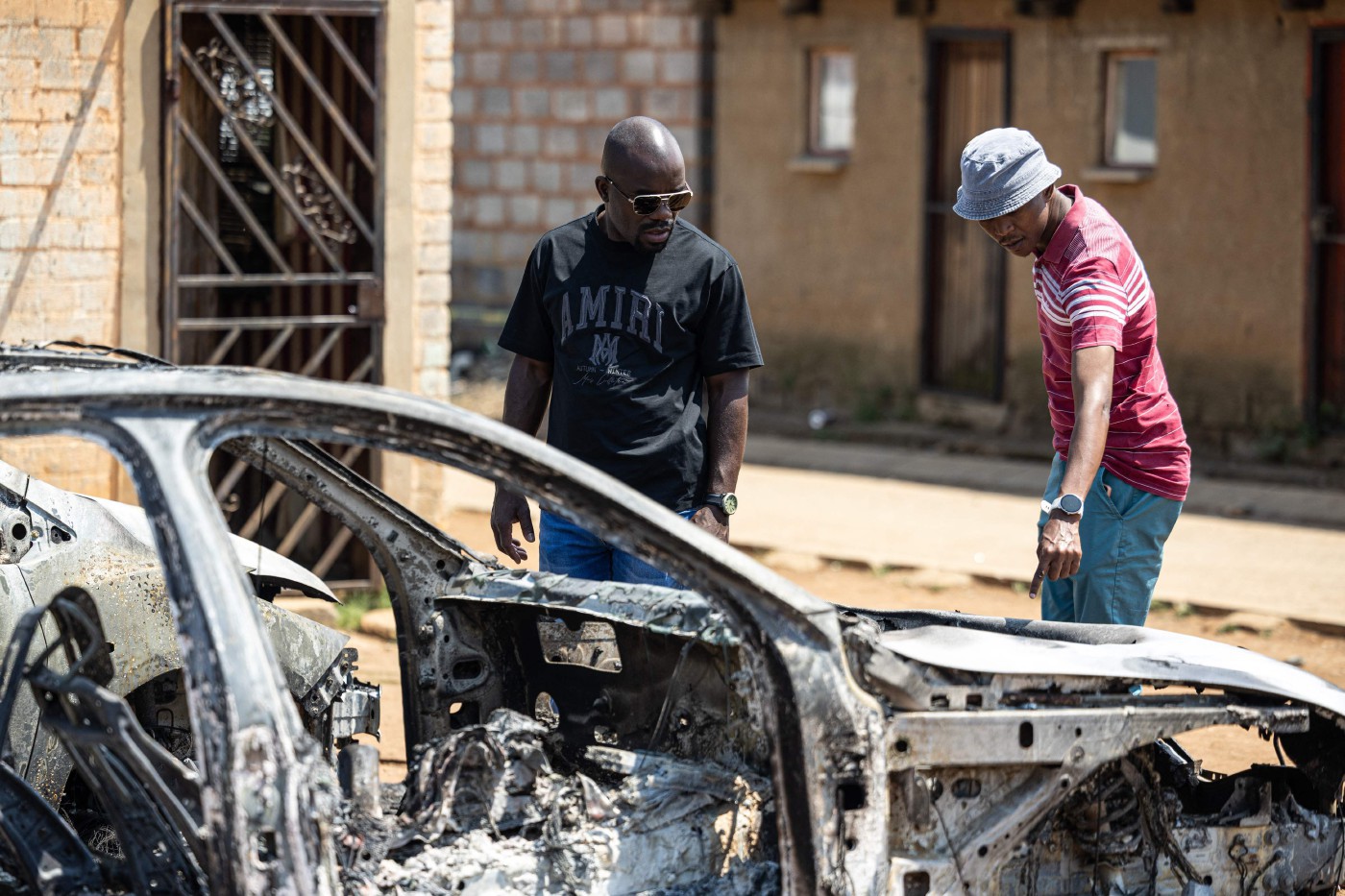
Ongoing violence has restricted access for healthcare workers, delayed contact tracing, and disrupted vaccination and surveillance activities. Humanitarian organisations say insecurity has also forced some treatment centres to reduce operations, limiting access to life-saving care for infected patients.
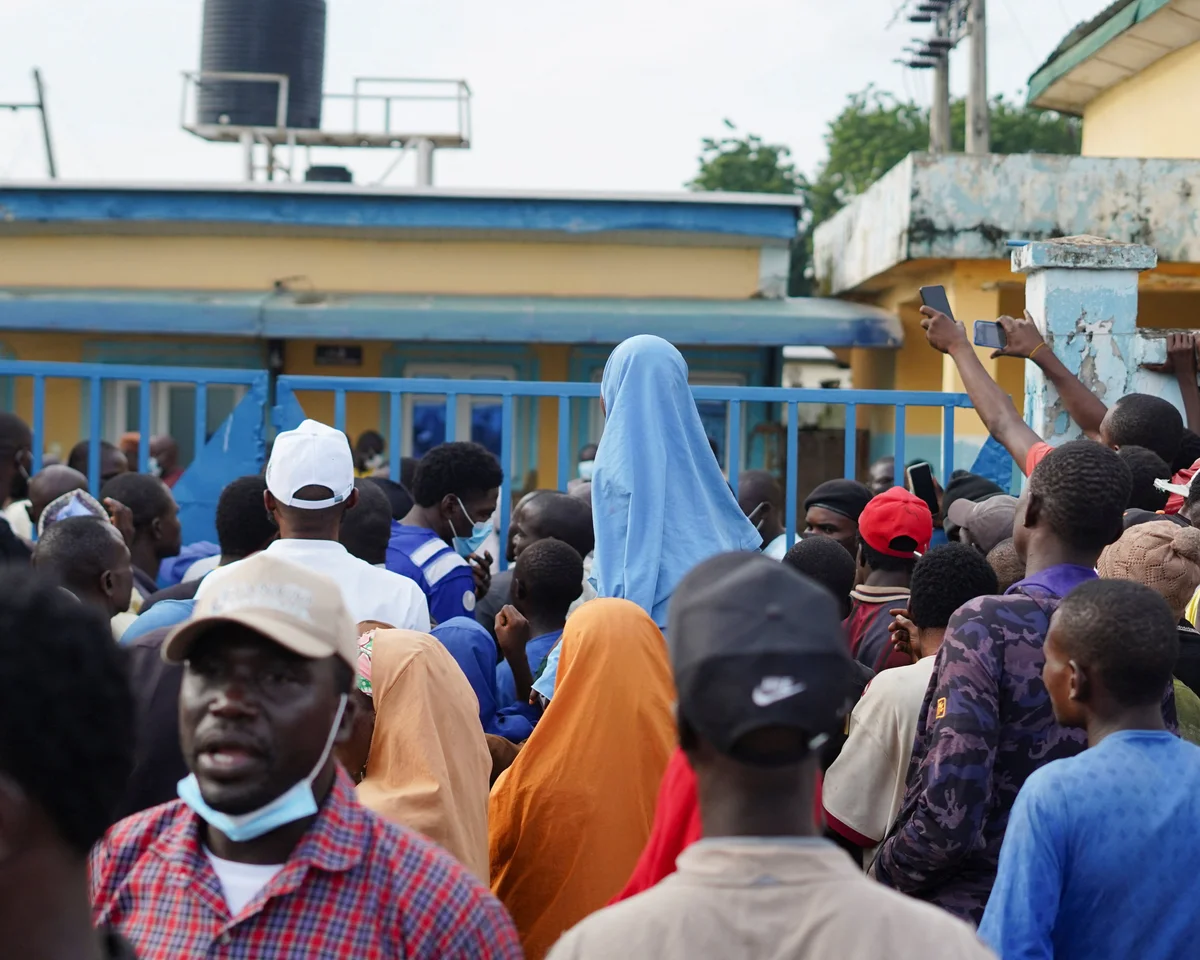
Health workers continue to face mistrust from some communities, where misinformation about Ebola has discouraged people from seeking treatment or cooperating with response teams.
Uganda Moves Towards Recovery
While the outbreak worsens in Congo, Uganda has made significant progress in controlling imported cases.