Africa’s energy industry is undergoing one of its biggest transformations in decades, and much of that change is being driven from the outskirts of Lagos.
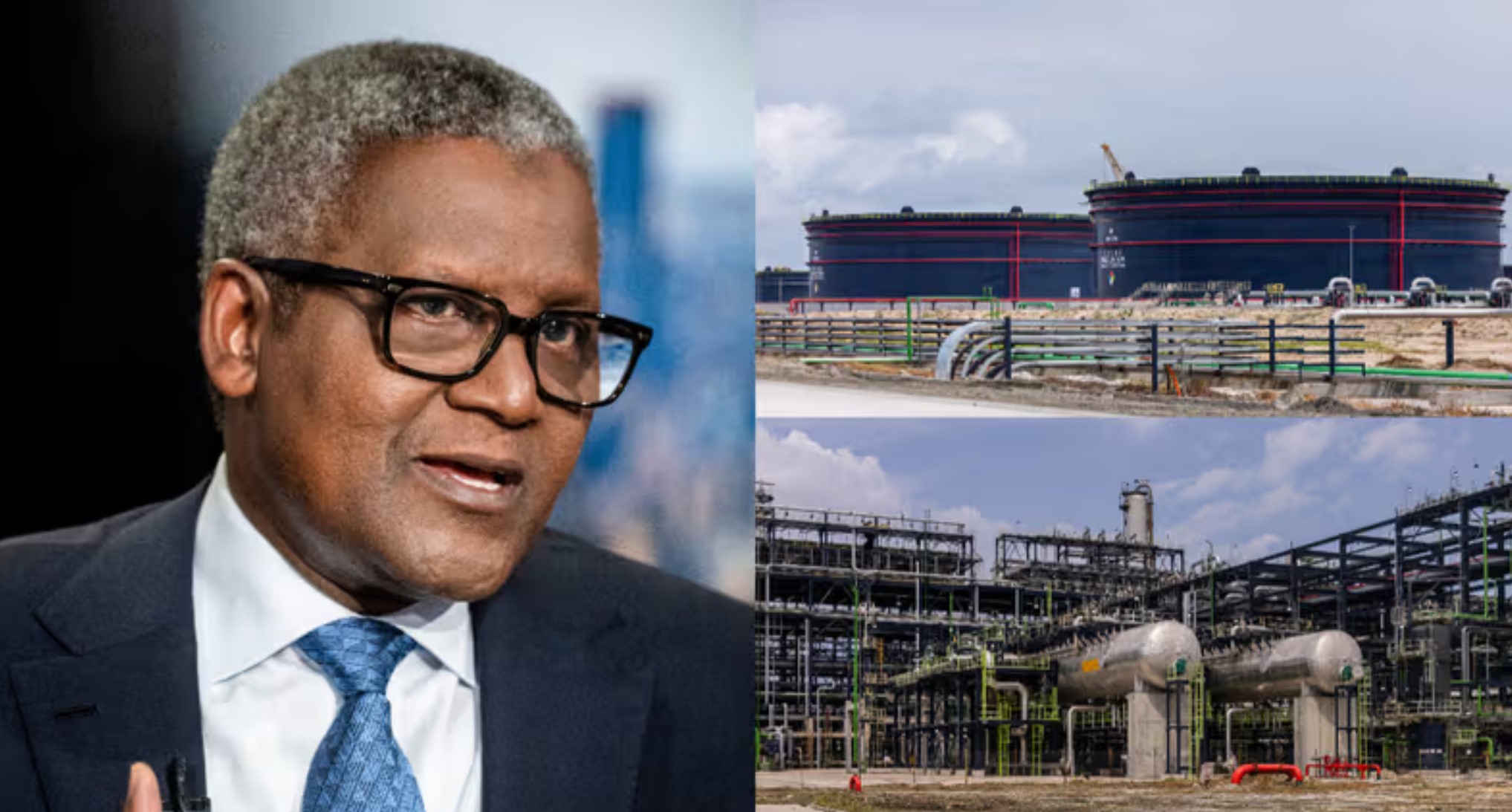
The Dangote Petroleum Refinery, once viewed by many as an ambitious dream, has become a powerful force in the continent’s fuel market. Less than two years after beginning operations, the refinery is not only supplying Nigeria’s domestic market but is also exporting refined petroleum products across Africa and beyond, reducing the continent’s dependence on imported fuel.
Its rapid expansion is reshaping trade patterns, strengthening Nigeria’s position in the energy sector and raising hopes that Africa can finally begin processing more of its own natural resources instead of exporting crude oil and importing expensive refined products.
From National Project to Continental Player
When billionaire industrialist Aliko Dangote first announced plans to build the refinery, many industry experts questioned whether such a massive project could ever be completed.
Today, the numbers tell a different story.
With a refining capacity of 650,000 barrels of crude oil per day, the Dangote Petroleum Refinery is the largest refinery in Africa and one of the biggest single-train refineries in the world. Built at an estimated cost of more than US$20 billion, it was designed to solve one of Nigeria’s biggest economic contradictions.
For decades, Nigeria remained Africa’s largest crude oil producer while importing most of the petrol, diesel and aviation fuel consumed within its borders because its ageing refineries operated far below capacity.
The Dangote Refinery has begun changing that reality.
Fuel imports into Nigeria have fallen significantly, while locally refined products are increasingly meeting domestic demand and finding buyers across international markets.
Fuel Exports Are Changing Regional Trade
The refinery’s impact is now being felt far beyond Nigeria.
Petroleum marketers across West, Central and East Africa have started sourcing fuel from the Dangote Refinery instead of relying exclusively on suppliers in Europe or the Middle East.
Recent shipments have delivered refined petroleum products to countries including Cameroon, Ghana, Côte d’Ivoire, Togo and Tanzania, helping to improve regional fuel supply and reduce delivery times. Industry data shows that approximately 456,000 tonnes of refined petroleum products were recently exported from the refinery to African markets, highlighting the facility’s growing importance in continental energy trade.
The refinery is also making an impact outside Africa.
In June, Nigeria exported around 466,000 metric tonnes of aviation fuel to Europe, making it one of the continent’s largest suppliers of jet fuel during the month. Market intelligence from S&P Global Commodity Insights showed that shipments from Nigeria briefly exceeded those from the United States, a remarkable achievement for a refinery that only recently began commercial production.
Energy analysts say these developments represent a significant shift in Africa’s role within the global petroleum industry.
For decades, African countries exported crude oil only to buy back refined products at much higher prices. The Dangote Refinery is beginning to reverse that trend by keeping more value within the continent.
Expansion Beyond Nigeria
The refinery’s ambitions continue to grow.
Last week, Dangote Industries announced that it had successfully raised US$2.5 billion through a private placement to strengthen the company’s finances and support future expansion. The funding is expected to improve operational capacity while positioning the company for new investments.
The company has also unveiled plans to finance a proposed 700,000-barrel-per-day refinery in Lamu, Kenya. If completed, the project would become East Africa’s largest refinery and significantly expand Dangote’s presence across the continent.
The proposed Kenyan refinery reflects a broader strategy of building an African refining network capable of supplying multiple regional markets with locally produced fuel.
For many industry observers, this signals a shift from building a Nigerian refinery to establishing an African energy business.