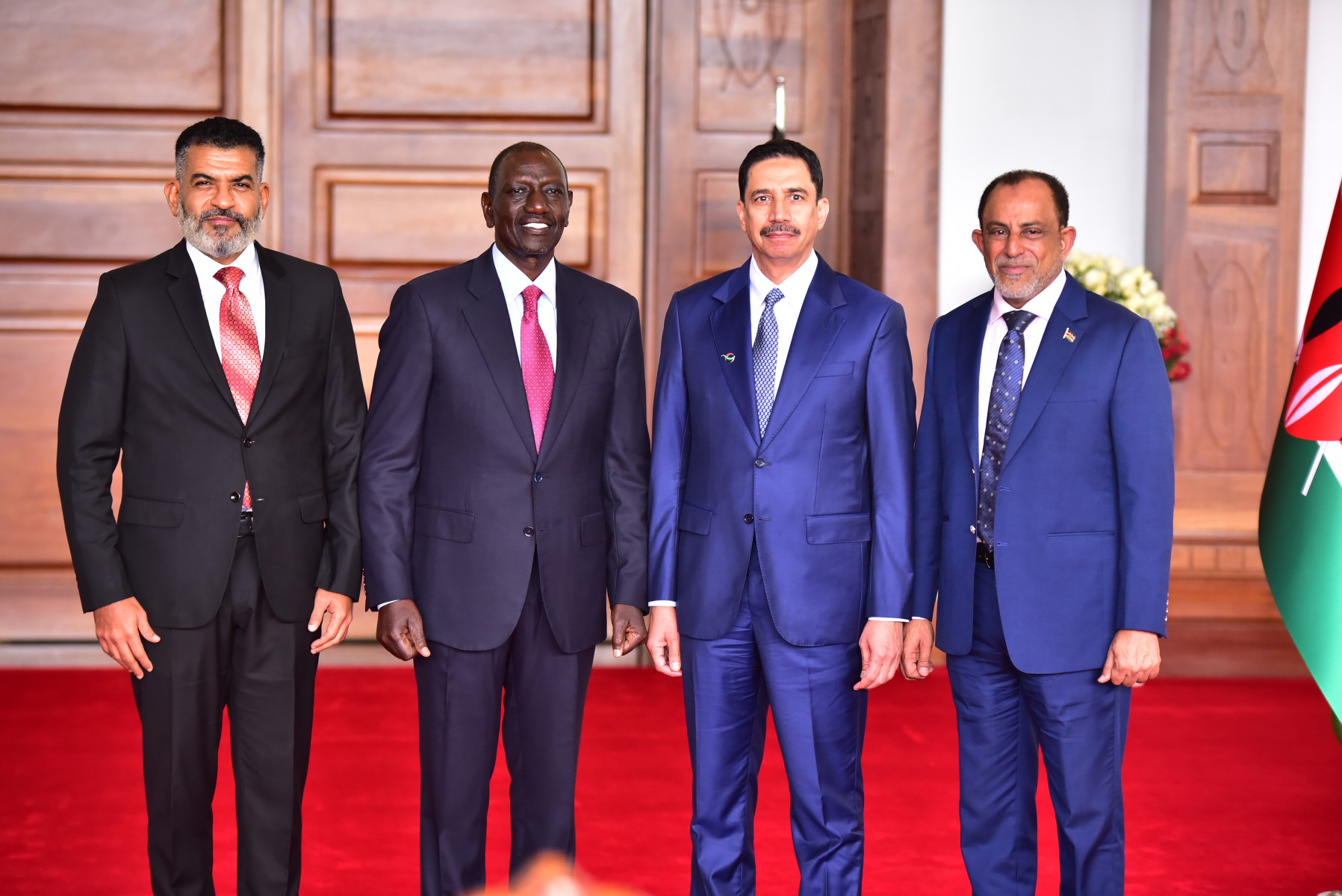
Kenya is moving ahead with a major industrial investment in Mombasa as global logistics company DP World and Kenyan investment group GulfCap Africa formalise their partnership to develop a 222-hectare Special Economic Zone designed to attract manufacturers, investors and exporters to the country’s coast.
The two companies signed a shareholders agreement on September 9, formally advancing the joint venture behind the Mombasa Industrial Park. The development follows an earlier partnership announcement in August and represents an important step in Kenya’s effort to transform Mombasa from primarily a regional transit and port centre into a manufacturing and export hub.
More Than $100 Million Is Going Into the Project.
The Mombasa project is valued at more than $100 million, according to Kenyan reports, with the wider development expected to combine industrial infrastructure, logistics and investment facilities. The first phase will cover 40 hectares, with the full Special Economic Zone expected to attract foreign direct investment and expand Kenya’s manufacturing capacity.
More than 60 local and international companies have already expressed interest in establishing operations inside the zone. The developers expect the completed project to support more than 20,000 direct and indirect jobs, while earlier estimates put first-phase direct employment at almost 8,000 positions.
The difference between those figures reflects the distinction between direct employment within the industrial park and the wider economic activity expected among suppliers, transport operators, service providers and other businesses.
Manufacturing Is at the Centre of the Strategy.
The industrial park is being designed to accommodate companies involved in manufacturing, processing, assembly, branding, logistics and exports. That gives the project a broader economic purpose than simply providing warehouse or port-related facilities.
Kenya has been trying to increase domestic manufacturing and reduce the cost of producing goods for both African and international markets. The Mombasa Industrial Park is intended to support that strategy by bringing manufacturing activity closer to one of East Africa’s most important ports.
President William Ruto said the government would support the infrastructure required to make the industrial zone competitive, with the objective of allowing products made in Kenya to compete more effectively in regional and global markets.
Mombasa’s Location Gives the Park a Major Advantage.
One of the project’s biggest advantages is its location. The industrial zone is close to the Port of Mombasa, the Standard Gauge Railway and regional road networks, giving businesses access to established trade infrastructure.
That connectivity could reduce the cost and time involved in moving raw materials into factories and finished products out to regional and international markets. Analysts have also argued that the scale of the site gives Mombasa an opportunity to develop industrial clusters rather than isolated factories.
For DP World, the project also fits into a broader strategy of linking logistics infrastructure with industrial production. Rather than simply moving cargo through ports, the company is increasingly positioning logistics facilities and free zones as platforms where businesses can manufacture, process and distribute goods.
GulfCap Brings Local Investment to the Partnership.
The partnership combines DP World’s international logistics expertise with GulfCap Africa’s local investment interests and the participation of the Mombasa County Government.