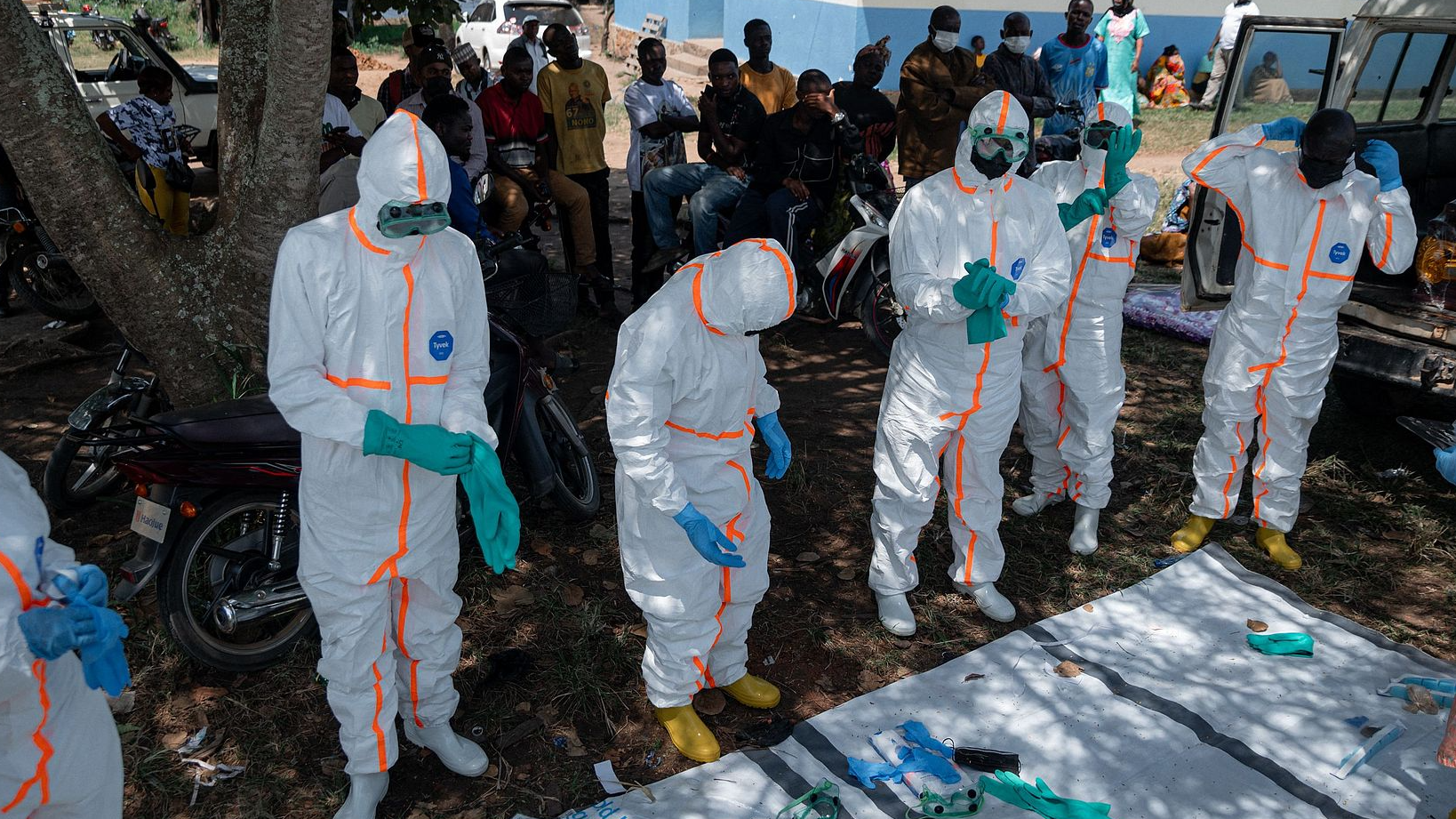
The Ebola outbreak in the Democratic Republic of Congo (DR Congo) has surpassed 6,000 confirmed cases, with the country reporting 6,041 infections and 2,911 deaths as of August 31, according to government figures. The latest numbers make the current outbreak the largest Ebola outbreak recorded in the country.
The DR Congo Ebola outbreak is being driven by the rare Bundibugyo strain of the Ebola virus. Health authorities are facing major difficulties containing transmission, particularly in eastern provinces where insecurity, displacement, population movement and shortages of health workers are complicating the response.
Ebola Outbreak Raises Concern as Schools Reopen.
The latest development comes as schools across DR Congo reopen on September 1, creating additional concerns in communities affected by the Ebola outbreak. Parents and teachers in eastern areas have called for stronger health protections before children return to classrooms.
Authorities have introduced different measures depending on the level of Ebola transmission. Schools in lower-risk areas can continue with preventive measures, while areas classified as high risk may rely on alternative forms of learning rather than conventional classroom teaching.
The situation has placed particular attention on Ituri Province, where Bunia remains one of the major centres of the outbreak. Teachers and parents have warned that inadequate sanitation, protective equipment and disease-prevention measures could increase the risk of transmission among students and their families.
Children Face Particular Risks.
The Ebola outbreak in DR Congo is also raising concern over the impact on children. Health data indicates that children aged four and below have recorded a particularly high fatality rate in the current outbreak.
The reopening of schools therefore presents a difficult balance for authorities. Keeping schools closed for extended periods could deprive millions of children of education, while reopening without adequate health measures could increase the risk of further Ebola transmission.
Health officials and humanitarian organisations are calling for schools in affected communities to have adequate handwashing facilities, infection-prevention measures and clear procedures for responding to suspected cases.