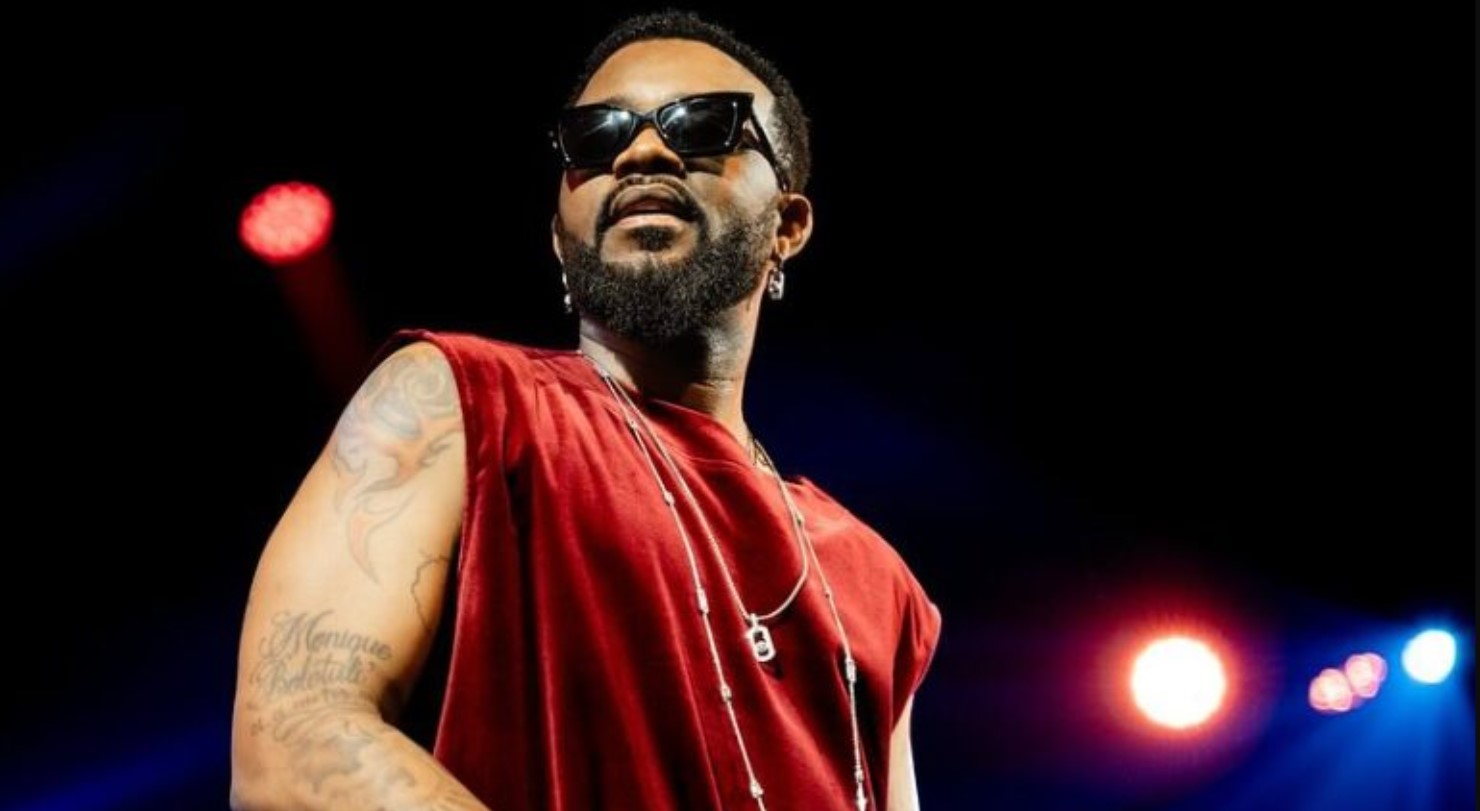
Congolese superstar Fally Ipupa continues to reinforce his position as one of Africa’s most influential musicians after earning new recognition for his contribution to global music. The singer, songwriter and performer remains one of the biggest ambassadors of Congolese rumba, successfully bringing the sounds of the Democratic Republic of Congo to audiences across Africa, Europe and beyond.
With a career spanning more than two decades, Fally Ipupa has built a reputation as one of the continent’s most consistent artists, combining traditional Congolese rhythms with modern African sounds. His continued success reflects the growing global influence of Francophone African music at a time when artists from across the continent are reaching wider international audiences.
A Career Built on Congolese Excellence
Born Fally Ipupa Nsimba in Kinshasa, Democratic Republic of Congo, the artist began his professional music journey as a member of Quartier Latin International, the legendary group founded by Congolese music icon Koffi Olomidé.
After launching his solo career in 2006 with the album Droit Chemin, Fally quickly established himself as one of Congo’s biggest musical exports. His unique ability to blend rumba, soukous, R&B and contemporary African sounds helped him connect with younger audiences while preserving the traditions of Congolese music.
Over the years, albums such as Arsenal de Belles Mélodies, Tokooos, Control and Formule 7 have expanded his influence beyond Central Africa and strengthened his reputation as a global African artist.
Bringing Congolese Music to New Audiences
Fally Ipupa’s success represents a new chapter for Congolese music, a genre that has influenced African culture for generations.
Artists such as Franco Luambo Makiadi, Papa Wemba, Tabu Ley Rochereau, Koffi Olomidé and Werrason helped establish Congolese music as one of Africa’s most important cultural exports.
Fally has continued this tradition by adapting the sound for modern audiences. His collaborations with international and African artists have introduced Congolese melodies to listeners who may not have previously explored rumba music.
His collaborations with artists such as Youssou N’Dour, R. Kelly, Booba, Aya Nakamura and Diamond Platnumz have also helped strengthen cultural connections between different regions of Africa.
The Rise of Francophone African Music
Fally Ipupa’s continued success comes during a period of major growth for Francophone African music.
For many years, global attention around African music was largely centred on Nigeria’s Afrobeats movement, led by artists such as Burna Boy, Wizkid and Davido. However, artists from French-speaking countries including the Democratic Republic of Congo, Cameroon, Côte d’Ivoire, Senegal and Mali are increasingly gaining international recognition.
Streaming platforms, social media and global collaborations have created new opportunities for Francophone artists to reach audiences outside traditional African markets.
Fally Ipupa has been one of the leading figures in this movement, proving that African music success is not limited to one language or one genre.