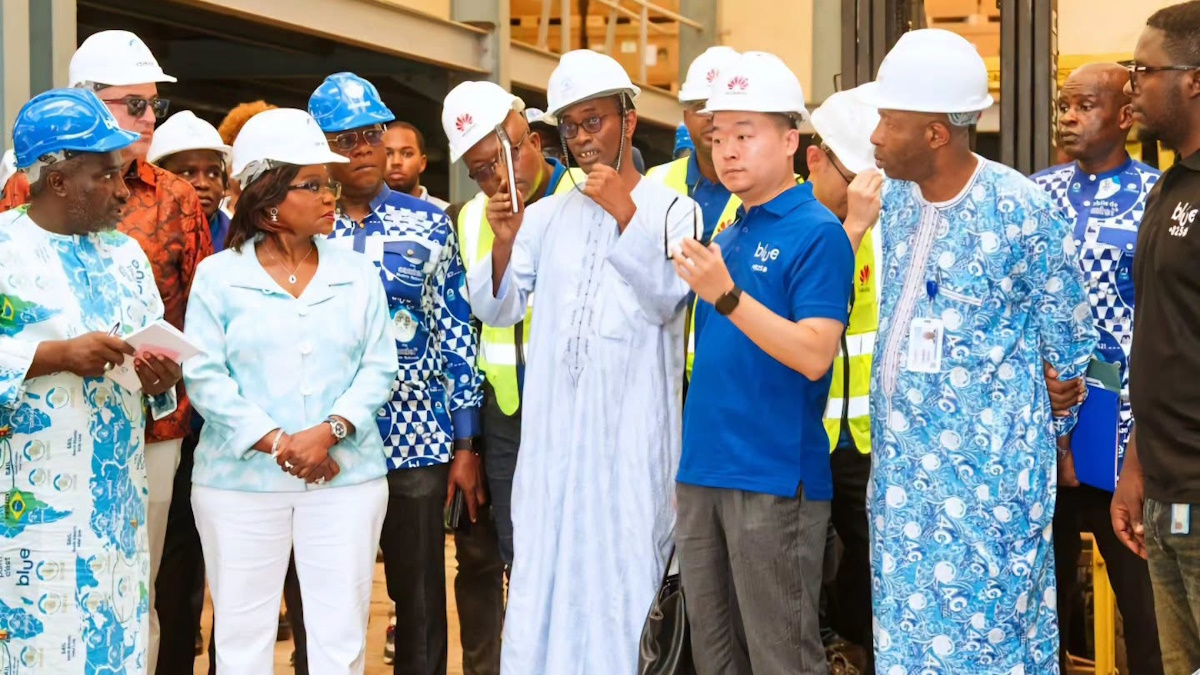
Kenya has taken another step towards cleaner transportation with the launch of a new electric vehicle (EV) charging station in Nairobi, strengthening the country’s growing commitment to sustainable mobility and green energy.
The new charging facility, unveiled through a partnership between KCB Bank Kenya and electric mobility company ePureMotion, is designed to support the increasing number of electric vehicles on Kenyan roads while encouraging the transition away from fossil fuel-powered transport. The initiative forms part of Kenya’s broader strategy to reduce carbon emissions and accelerate the adoption of electric mobility.
Supporting Kenya’s Green Transport Agenda
The charging station is expected to serve both private electric vehicle owners and commercial transport operators, providing reliable charging infrastructure in one of East Africa’s busiest cities.
Officials say expanding charging infrastructure is essential to increasing public confidence in electric vehicles, as access to convenient charging points remains one of the biggest barriers to adoption across Africa.
The project also aligns with Kenya’s national climate goals, which aim to reduce greenhouse gas emissions while promoting clean and renewable energy solutions.
Partnership Between Finance and Innovation
The collaboration between KCB Bank and ePureMotion highlights the growing role of financial institutions in supporting Africa’s green economy.
Beyond providing charging infrastructure, the partnership seeks to encourage investment in electric mobility by developing financing solutions that make electric vehicles more affordable for businesses and individuals.
The initiative demonstrates how collaboration between banks and technology companies can accelerate innovation and support the transition to sustainable transportation.
Demand for Electric Vehicles Continues to Grow
Kenya has emerged as one of Africa’s leading markets for electric mobility, with increasing adoption of electric motorcycles, buses, taxis, and private vehicles.
Rising fuel prices, government support for clean energy, and growing environmental awareness have encouraged more businesses and consumers to explore electric transport alternatives.
Several local startups have also entered the market, developing electric motorcycles and battery-swapping solutions tailored to African conditions.
Industry experts believe continued investment in charging infrastructure will play a crucial role in sustaining this growth.