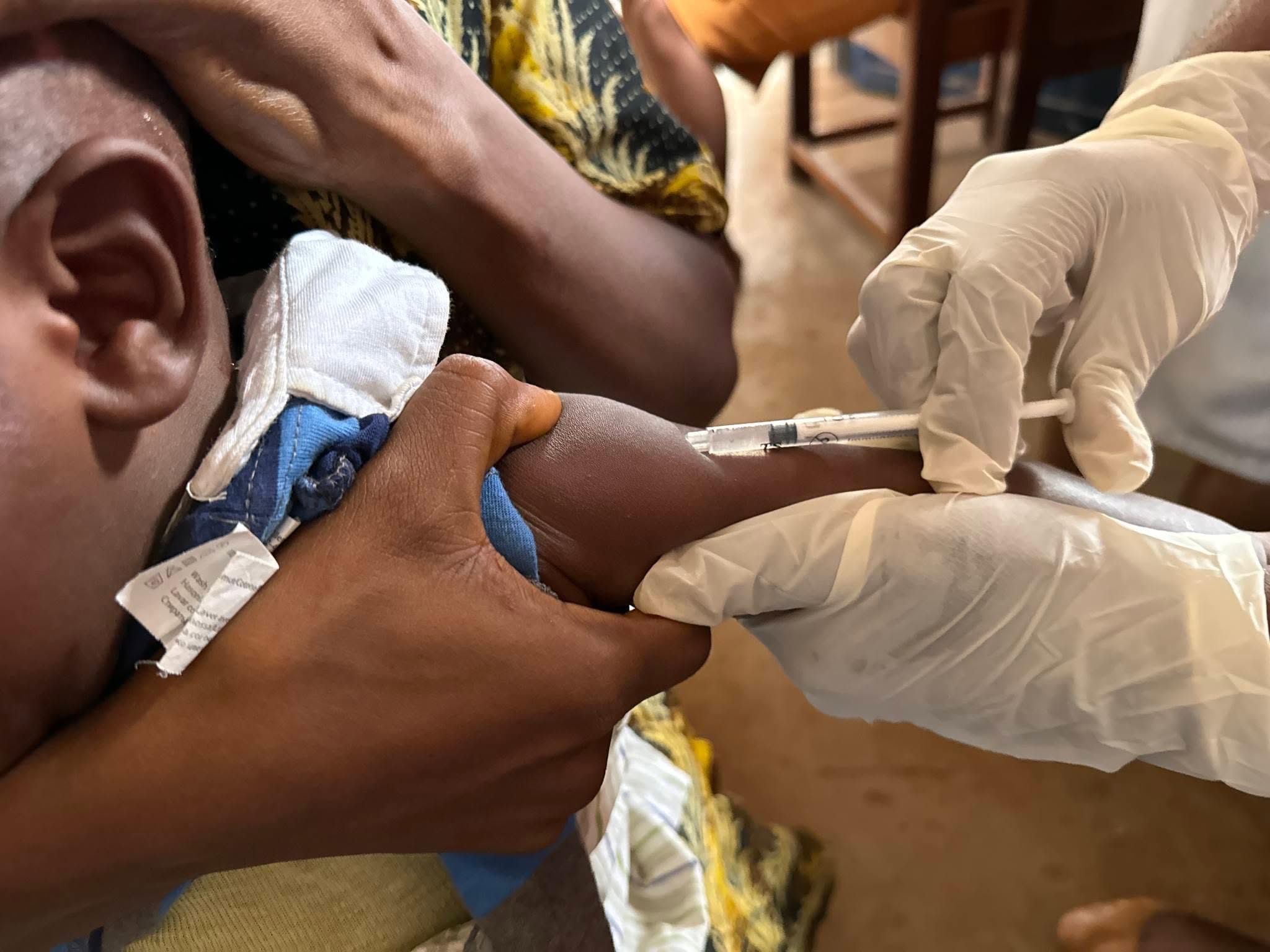
Malawi’s Ministry of Health has launched an urgent nationwide appeal for parents to ensure their children are vaccinated against measles following a rise in reported cases across several districts.
Health authorities say the highly contagious disease is spreading in parts of the country, prompting intensified surveillance and public awareness campaigns aimed at preventing a larger outbreak. Parents have been encouraged to take children who have missed routine vaccinations to the nearest health facility as quickly as possible.
Health Officials Sound the Alarm
The Ministry of Health warned that measles remains one of the most infectious viral diseases affecting children and can spread rapidly in communities where vaccination rates are low.
Medical experts are advising parents to watch for common symptoms, including fever, persistent cough, a runny nose, red and watery eyes, and the distinctive skin rash associated with the disease. Any child showing these symptoms should be taken to a health facility immediately for assessment and treatment.
Officials have also urged families to keep infected children away from schools and crowded public places to reduce the risk of transmission.
Young Children Face the Greatest Risk
According to health experts, children under the age of five are the most vulnerable to severe complications caused by measles, particularly those who are malnourished or have weakened immune systems.
Complications can include pneumonia, severe diarrhoea, brain inflammation, blindness, and in some cases death. Although measles is preventable through vaccination, outbreaks can occur quickly when large numbers of children miss their routine immunisations.
The Ministry emphasized that vaccination remains the safest and most effective way to protect children and prevent community-wide outbreaks.
Strengthening the National Response
Malawi has activated disease surveillance teams to monitor the spread of the virus while healthcare workers continue to conduct laboratory testing and investigate suspected cases.
The government is working alongside international partners, including the World Health Organization (WHO) and UNICEF, to strengthen outbreak response efforts, improve vaccine distribution, and ensure health facilities are equipped to manage suspected infections.