
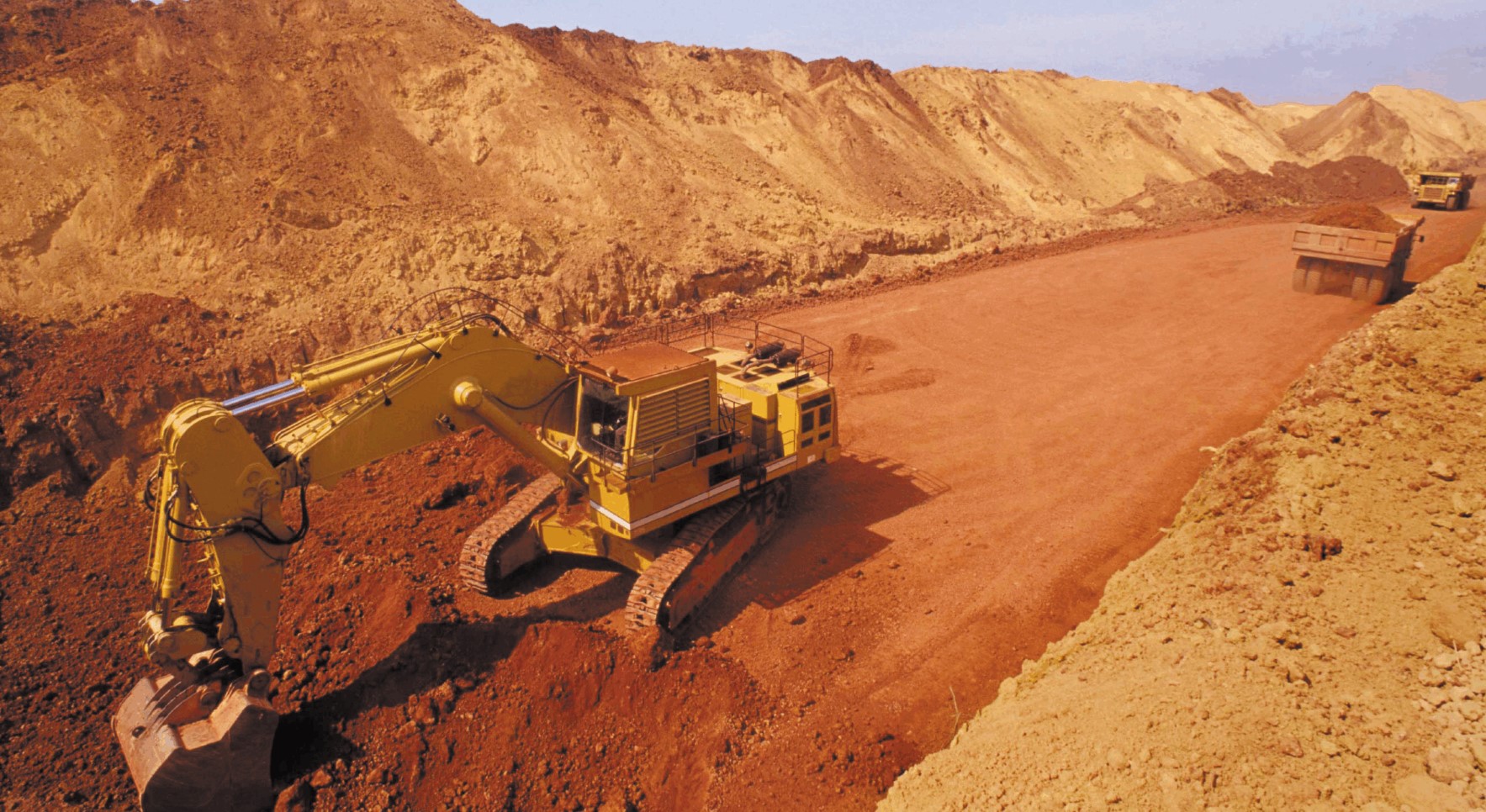
Cameroon is on the verge of a major economic transformation as the government projects that the mining sector will soon generate more revenue than the country’s long-dominant oil industry. The milestone, once considered years away, is now expected in the short term as several large-scale mining projects move into production and reforms reshape the country’s gold sector.
Speaking during a parliamentary session, Minister of Mines, Industry and Technological Development Fuh Calistus Gentry announced that annual revenue from newly launched mining projects and the restructured gold industry is expected to exceed 1 trillion CFA francs (approximately US$1.75 billion). If achieved, it would mark the first time that mining becomes Cameroon’s leading source of extractive revenue.
A Historic Shift in the Economy
For nearly five decades, crude oil has been one of the pillars of Cameroon’s economy, contributing significantly to government revenue, exports, and foreign exchange earnings. However, production from mature oil fields has steadily declined, prompting authorities to accelerate efforts to diversify the country’s natural resource sector.
Mining has now emerged as the government’s most promising alternative. Rich deposits of iron ore, bauxite, gold, rutile, limestone, cobalt, nickel and other strategic minerals are attracting increasing investment from both domestic and international companies.
Officials believe the country’s mineral wealth could position Cameroon among Africa’s leading mining economies over the next decade, reducing its dependence on petroleum while creating new opportunities for industrial development.
Five Major Projects Drive the Mining Boom
The government’s projections are supported by the advancement of several strategic mining projects that have reached key stages of development.
Among the most significant is the Mbalam-Nabeba iron ore project, located in Cameroon’s East Region. Considered one of Central Africa’s largest iron ore developments, the project is expected to produce millions of tonnes of high-grade iron ore annually for export through the deep-sea port of Kribi.
Another flagship investment is the Minim Martap Bauxite Project in the Adamawa Region. The deposit is regarded as one of the world’s highest-grade undeveloped bauxite resources and is expected to supply raw material for the global aluminium industry.
The government is also expanding industrial gold production following reforms designed to formalize artisanal mining, improve traceability, and increase state revenue from gold exports.
Together, these projects are expected to significantly increase mineral exports and strengthen Cameroon’s position in global commodity markets.
Gold Sector Reforms Begin to Pay Off
Beyond large industrial mines, authorities have introduced reforms aimed at transforming the country’s gold industry.
For years, much of Cameroon’s gold production came from informal artisanal miners, making it difficult for the government to accurately measure production or collect taxes and royalties. Recent reforms have focused on improving regulation, licensing, and oversight while encouraging miners to operate within the formal economy.
Officials say these measures are already improving transparency and are expected to boost government revenue as more gold enters official supply chains.
New Opportunities for Jobs and Investment
The rapid growth of the mining sector is expected to generate thousands of direct and indirect jobs across the country.
Large mining operations require engineers, geologists, heavy equipment operators, environmental specialists, transport workers, construction companies, and numerous support services. Communities surrounding mining sites are also expected to benefit from improved infrastructure, increased commercial activity, and new business opportunities.



