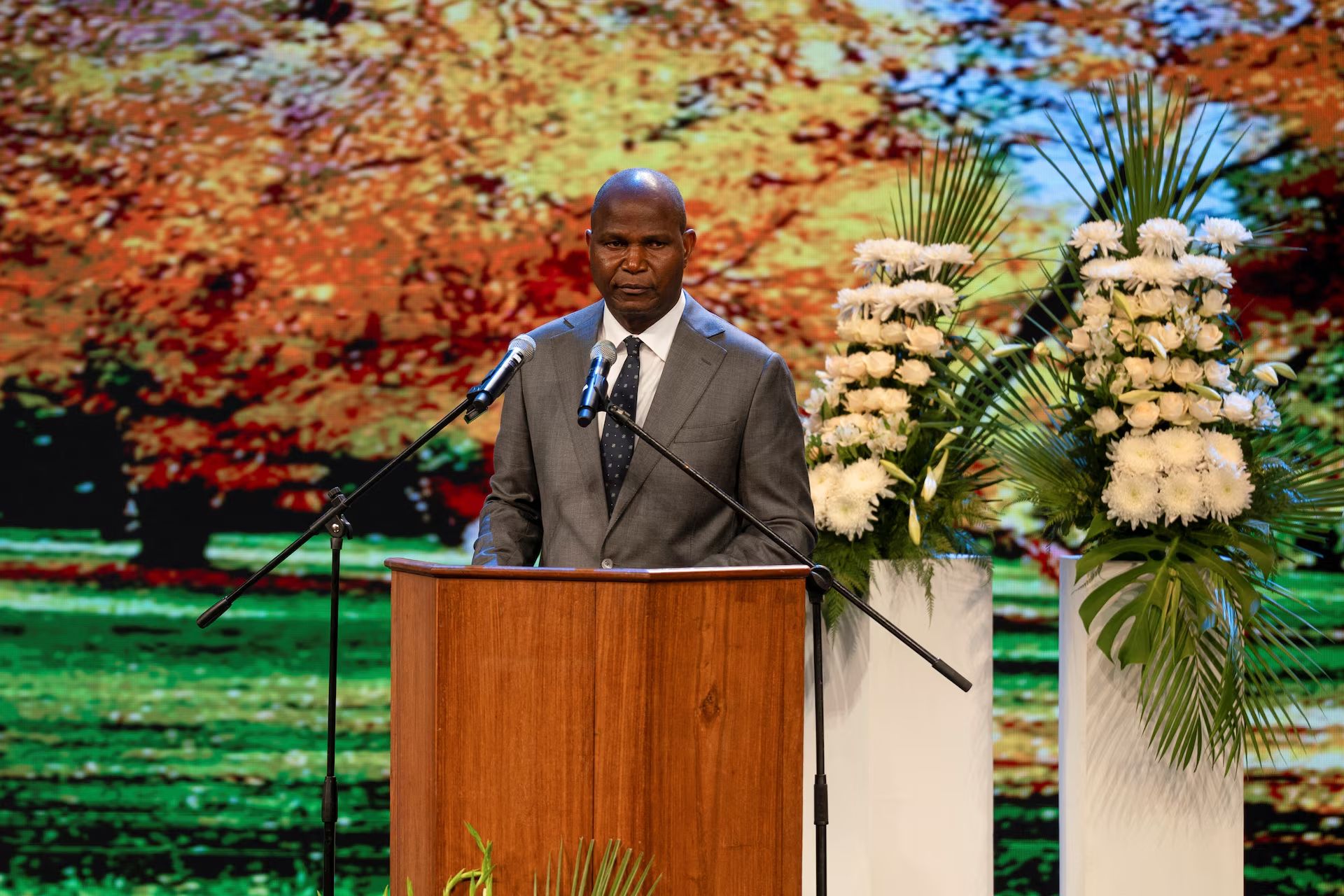
Mozambique has appointed Waldemar Fernando de Sousa as the new Governor of the Bank of Mozambique, marking a change in leadership at the country’s central bank at a time when monetary policy, financial stability and economic management remain major priorities. President Daniel Chapo made the appointment alongside the selection of Felisberto Dinis Navalha as Deputy Governor.
Sousa replaces Rogério Zandamela, who had led the Bank of Mozambique since August 2016. His appointment brings an experienced central banking figure back into the institution’s top position, having previously served on the bank’s board of directors.
Waldemar Sousa Takes Charge of Mozambique’s Central Bank.
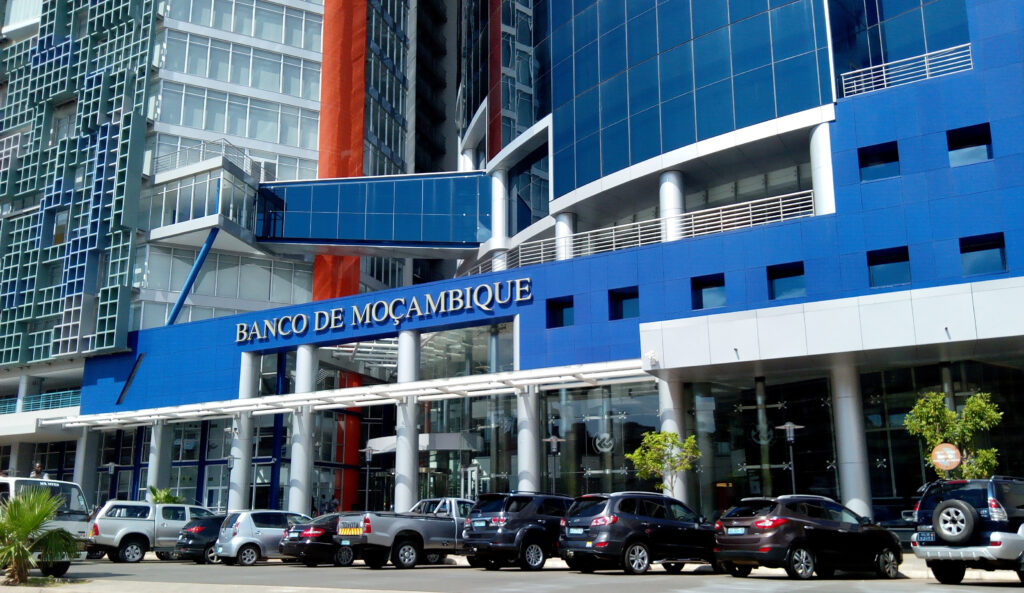
As Governor of the Bank of Mozambique, Sousa will chair the institution’s board of directors and represent the central bank before the government, domestic institutions and international organisations. He will also oversee the bank’s overall operations and senior management.
The Bank of Mozambique plays a critical role in the country’s economy. Its responsibilities include guiding monetary and exchange-rate policy, managing Mozambique’s external reserves and supervising financial institutions.
The change in leadership therefore comes with significant responsibilities for Sousa, particularly as Mozambique continues to focus on maintaining monetary and financial stability while supporting broader economic growth.
Felisberto Navalha Named Deputy Governor.
President Chapo also appointed Felisberto Dinis Navalha as Deputy Governor of the Bank of Mozambique. Navalha will serve on the bank’s board and will act on behalf of the governor when Sousa is absent or unable to perform his duties.
Navalha also brings experience from the central bank, having previously served as an administrator. His appointment gives the new leadership team familiarity with the institution and its responsibilities.
The two appointments are expected to provide continuity while introducing new leadership at the top of Mozambique’s monetary authority.



