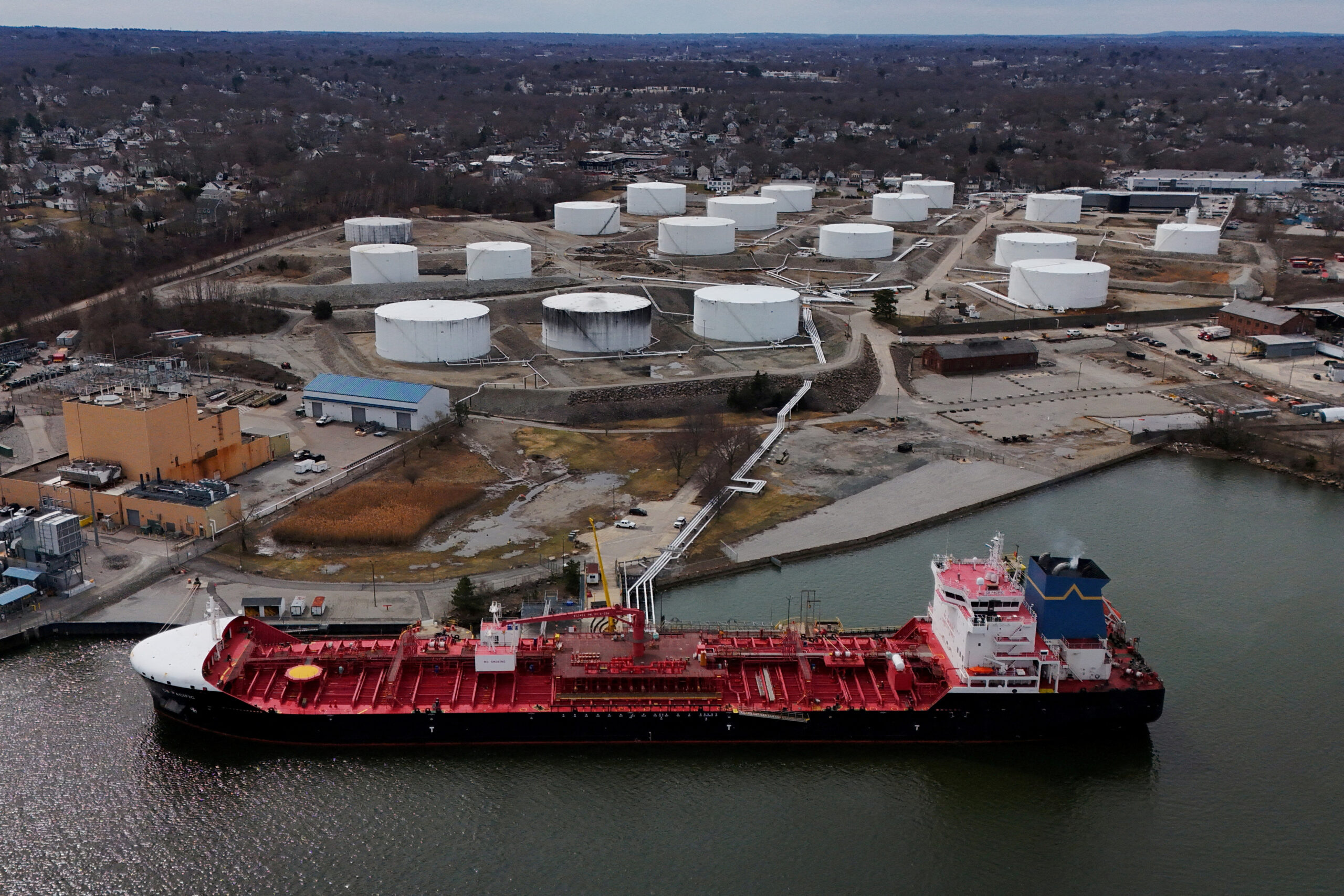
Nigeria’s oil-rich Niger Delta is preparing for one of its biggest attempts yet to reposition itself as a broader investment destination, with a new economic summit targeting up to $50 billion in investment commitments over the next five years.
The Niger Delta Economic and Investment Summit, scheduled for September 15 to 17 in Port Harcourt, Rivers State, is bringing together government officials, investors, financial institutions, development partners, entrepreneurs and industry leaders around a central question: how can one of Nigeria’s most resource-rich regions turn its enormous potential into sustainable businesses, jobs and industrial growth?
The organisers say the summit is designed to move beyond traditional conferences by connecting investors directly with bankable projects across the region. The official programme identifies 30 to 50 investment-ready projects for a dedicated Deal Room, where project developers and potential financiers can explore partnerships and funding opportunities.
From Oil-Producing Region to Investment Destination.
For decades, the Niger Delta has been defined internationally by crude oil, environmental challenges and tensions surrounding resource control. Yet the region’s economic potential extends far beyond petroleum.
The summit is built around seven sectors: agro-industrial development and food security, blue economy and marine industries, oil and energy transition, manufacturing and industrialisation, tourism and the creative economy, digital economy and innovation, and access to finance and investment capital.
That approach reflects a growing recognition in Nigeria that the future of the Niger Delta cannot depend entirely on crude oil. While petroleum will remain strategically important, diversification could allow the region to capture more value from agriculture, manufacturing, maritime activity, technology and tourism.
The organisers estimate that the Niger Delta is home to more than 30 million people and contributes more than 90 percent of Nigeria’s oil revenues. The region also possesses an extensive coastline, major waterways, agricultural land and significant opportunities in the blue economy.
A $50 Billion Investment Ambition.
The $50 billion target is undoubtedly ambitious. But the organisers are attempting to give the figure a practical foundation by focusing on projects rather than simply attracting high-profile speakers.
The summit’s Deal Room is expected to feature at least 30 bankable projects, while more than 100 exhibitors and around 1,500 delegates are expected to participate. The objective is to create direct connections between investors and businesses capable of absorbing capital.
The organisers also say the investment programme could support the creation of as many as 500,000 jobs over time.
That job-creation component is particularly important for a region where unemployment, youth economic exclusion and limited opportunities have historically contributed to social tensions. Investment that produces factories, farms, technology companies, logistics businesses and energy projects could have a much broader economic effect than investment focused exclusively on extraction.
Government and Private Sector Must Work Together.
The summit is being convened by the Niger Delta Chambers of Commerce, Industry, Trade, Mines and Agriculture in partnership with the Niger Delta Development Commission.
Organisers have stressed that the participation of the nine Niger Delta states will be important because regional investment cannot be driven effectively by individual states operating in isolation. The participating states are Abia, Akwa Ibom, Bayelsa, Cross River, Delta, Edo, Imo, Ondo and Rivers.