Nigeria’s economy expanded by 4.43% year-on-year in the second quarter of 2026, marking a stronger performance than the 3.89% recorded in the first quarter and the 4.23% registered during the same period last year, according to the latest figures from the National Bureau of Statistics.
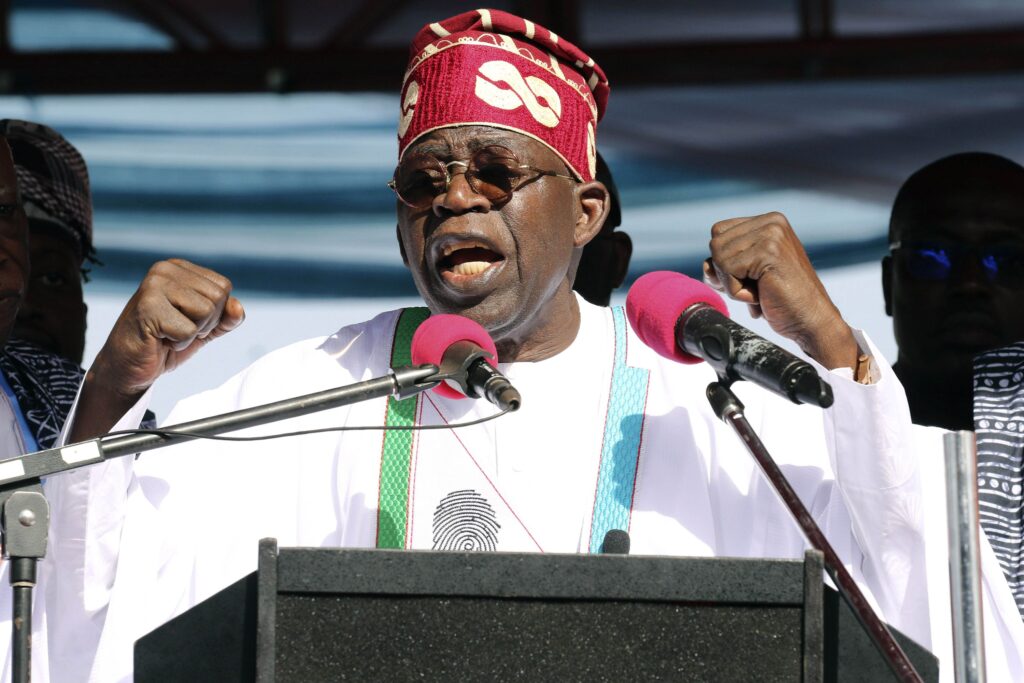
The latest figures represent another sign of improvement in Africa’s largest economy, although the pace remains below the Nigerian government’s longer-term ambition of achieving much faster economic growth. The data also comes as President Bola Ahmed Tinubu continues to defend his administration’s economic reforms.
Oil Production Provides a Stronger Boost.
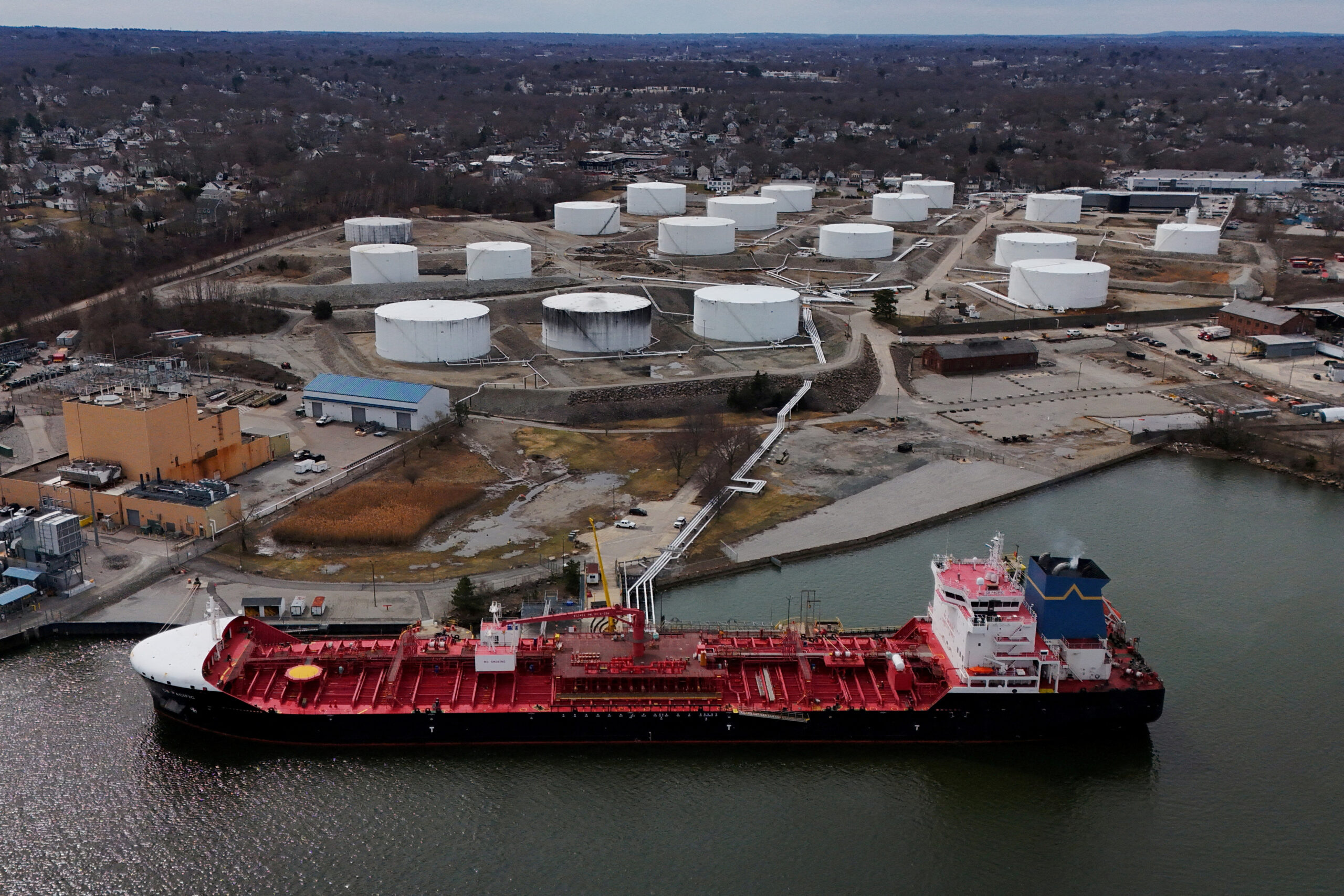
The oil sector was one of the major contributors to the improvement. Nigeria’s average crude oil production increased to 1.72 million barrels per day in the second quarter, compared with 1.55 million barrels per day in the first quarter and 1.68 million barrels per day during the same quarter of 2025.
As production improved, the oil sector recorded real growth of 7.31%, a significant acceleration from the 2.57% growth recorded in the first quarter. Despite the stronger performance, oil accounted for only 4.16% of Nigeria’s real GDP, underlining how much the economy now depends on activities outside the petroleum industry.
Services Remain the Backbone of the Economy.
The non-oil economy continued to dominate Nigeria’s economic output, accounting for 95.84% of real GDP during the quarter. The sector grew by 4.31%, compared with 3.94% in the first quarter, supported by services, agriculture, information and communication, financial services, trade and other activities.
Services remained the largest contributor, representing 56.62% of real GDP and recording growth of 4.60%. Agriculture also improved considerably, expanding by 4.39% compared with 2.82% in the second quarter of 2025.
Industrial Growth Remains a Concern.
Not every part of the economy moved at the same pace. Industrial growth slowed to 3.96%, compared with 7.46% in the corresponding quarter of 2025, highlighting continuing challenges around production costs, electricity supply, infrastructure and the broader operating environment for manufacturers.