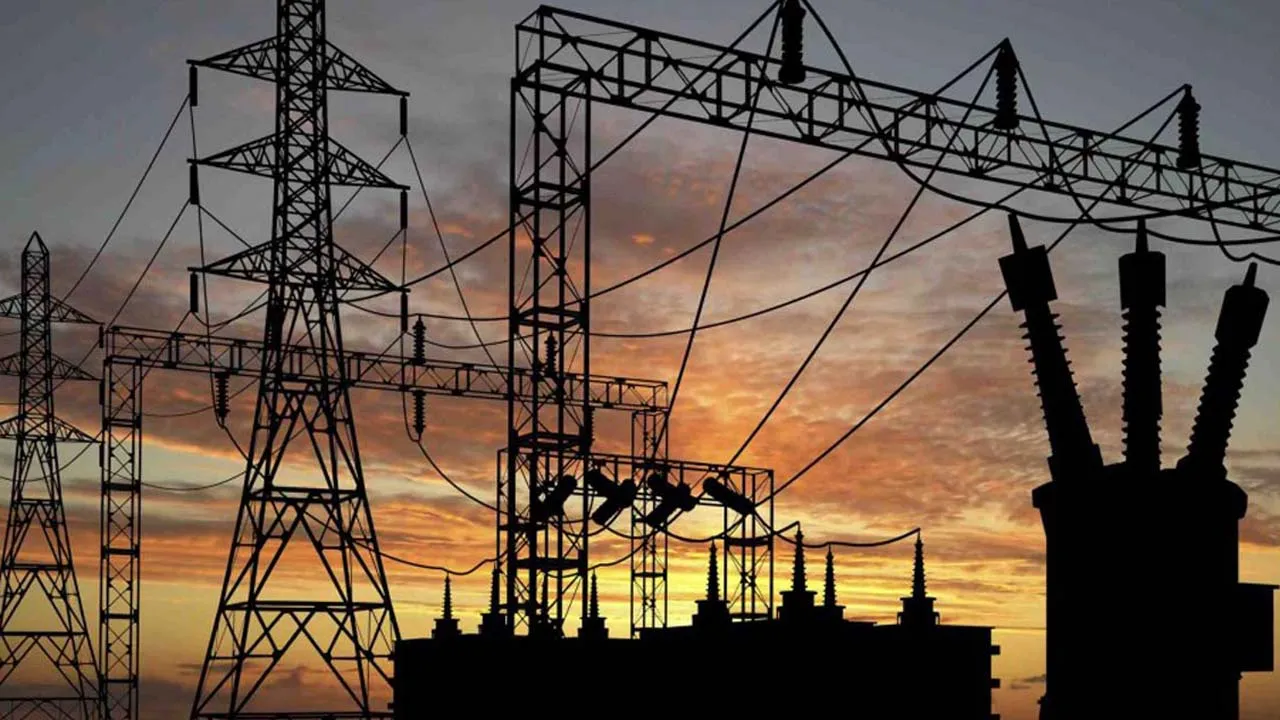
Nigeria’s ambitious electricity reforms are facing a major investment challenge, with state electricity markets struggling to attract the billions of dollars needed to expand generation, transmission and distribution infrastructure. New analysis shows that concerns over payment security, regulatory uncertainty and the financial strength of state governments are making investors increasingly cautious.
The challenge comes after Nigeria’s Electricity Act 2023 gave states greater authority to establish and regulate their own electricity markets. The reform was designed to encourage more private investment, improve electricity supply and allow states to develop power solutions based on their individual needs.
Investors Remain Cautious About Nigeria’s Electricity Market.
Despite the reforms, investors remain concerned about whether state electricity markets can generate reliable and predictable returns. Payment security, tariff structures, regulatory responsibilities and the creditworthiness of state governments are among the issues affecting investment decisions.
The problem is significant because Nigeria needs substantial private capital to modernise its power sector. Without stronger financial structures, new electricity projects could struggle to secure the long-term financing required for construction and operation.
Electricity Reform Creates New Opportunities for States.
The decentralisation of Nigeria’s electricity market has nevertheless opened a new investment opportunity for state governments. Several states are already taking control of their electricity markets and developing regulatory frameworks to attract private power developers.
According to the Nigerian Electricity Regulatory Commission, 15 states had transitioned to regulating their own electricity markets by the beginning of 2026. The transition is intended to create more competitive local electricity markets and encourage investment in generation and distribution.
Edo State, for example, has now assumed regulatory control of its intrastate electricity market, marking another step in Nigeria’s broader electricity decentralisation process.
Reliable Electricity Remains Critical to Nigeria’s Economy.
The investment challenge comes as businesses and households continue to deal with unreliable electricity supply and high energy costs. Many companies have been forced to rely on diesel and gas-powered generators, increasing operating costs and reducing competitiveness.
For Nigeria’s industrial sector, stronger electricity supply could significantly improve productivity. Manufacturing companies, technology businesses, hospitals and small enterprises all require dependable power to operate efficiently.



