South Africa has stepped up its Ebola preparedness measures as health authorities work to ensure the country is ready to respond quickly should the virus cross its borders. The move comes amid an ongoing Ebola outbreak in the Democratic Republic of the Congo (DRC) and Uganda, prompting countries across Africa to strengthen surveillance and emergency response systems.
Although South Africa has not recorded any confirmed Ebola cases, the Department of Health says it is taking precautionary measures to protect the public and reduce the risk of the disease spreading into the country.
Hospitals Placed on High Alert
Health authorities have identified and prepared 36 hospitals across South Africa to manage potential Ebola cases if they arise.
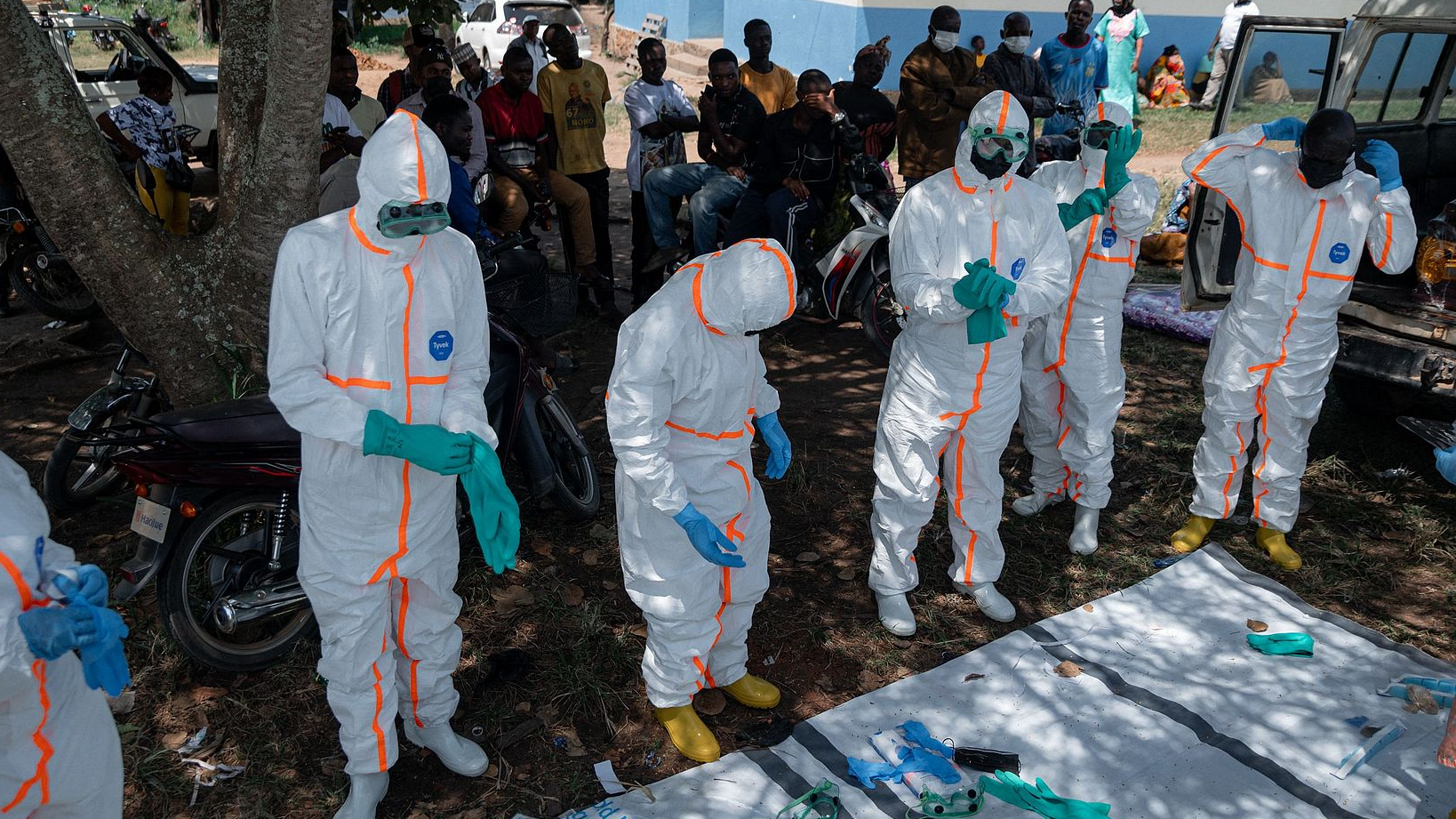
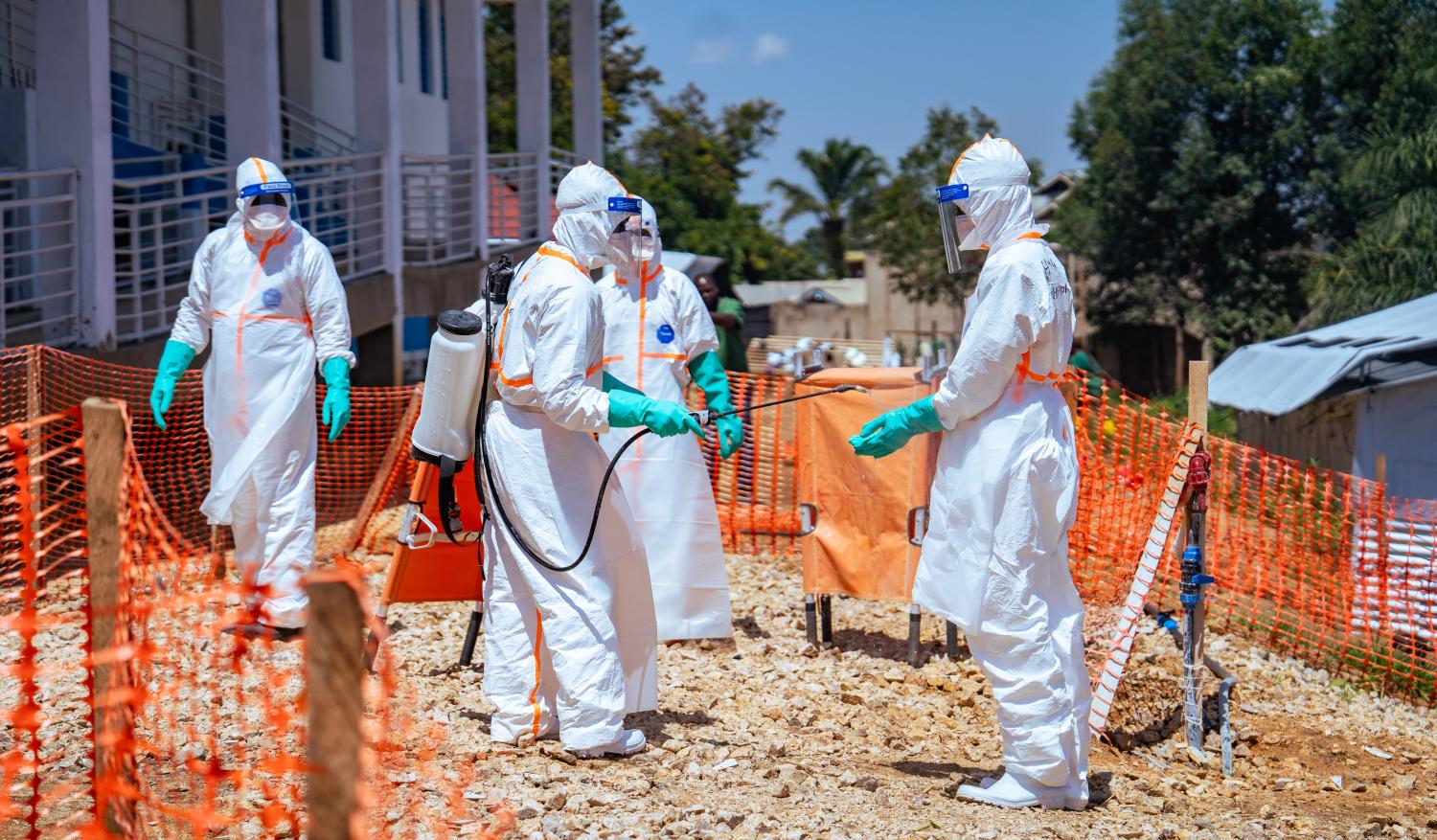
Medical personnel are undergoing specialized training to improve their ability to identify symptoms, isolate suspected patients, and prevent the virus from spreading within healthcare facilities. Hospitals have also been equipped with protective equipment and updated infection prevention protocols to ensure they can respond rapidly if needed.
Officials stressed that these measures are precautionary and should not be interpreted as an indication of an outbreak within South Africa.
Increased Border Surveillance
The government has also strengthened health screening at airports, land border posts, and other major points of entry.
Travelers arriving from countries affected by the Ebola outbreak are being monitored more closely, while public health teams are working with immigration and border officials to improve disease detection and response.
South Africa’s position as one of Africa’s busiest transport and commercial hubs makes strong border surveillance particularly important in preventing cross-border transmission.
Regional Cooperation Remains Critical
South Africa’s preparedness efforts are part of a broader continental strategy led by the Africa Centres for Disease Control and Prevention (Africa CDC) and the World Health Organization (WHO).
Earlier this year, both organizations launched a joint Ebola preparedness and response plan aimed at strengthening surveillance, laboratory testing, emergency coordination, and community engagement across African Union member states. The initiative seeks to improve cooperation between countries while ensuring that health systems are ready to respond quickly to any suspected cases.