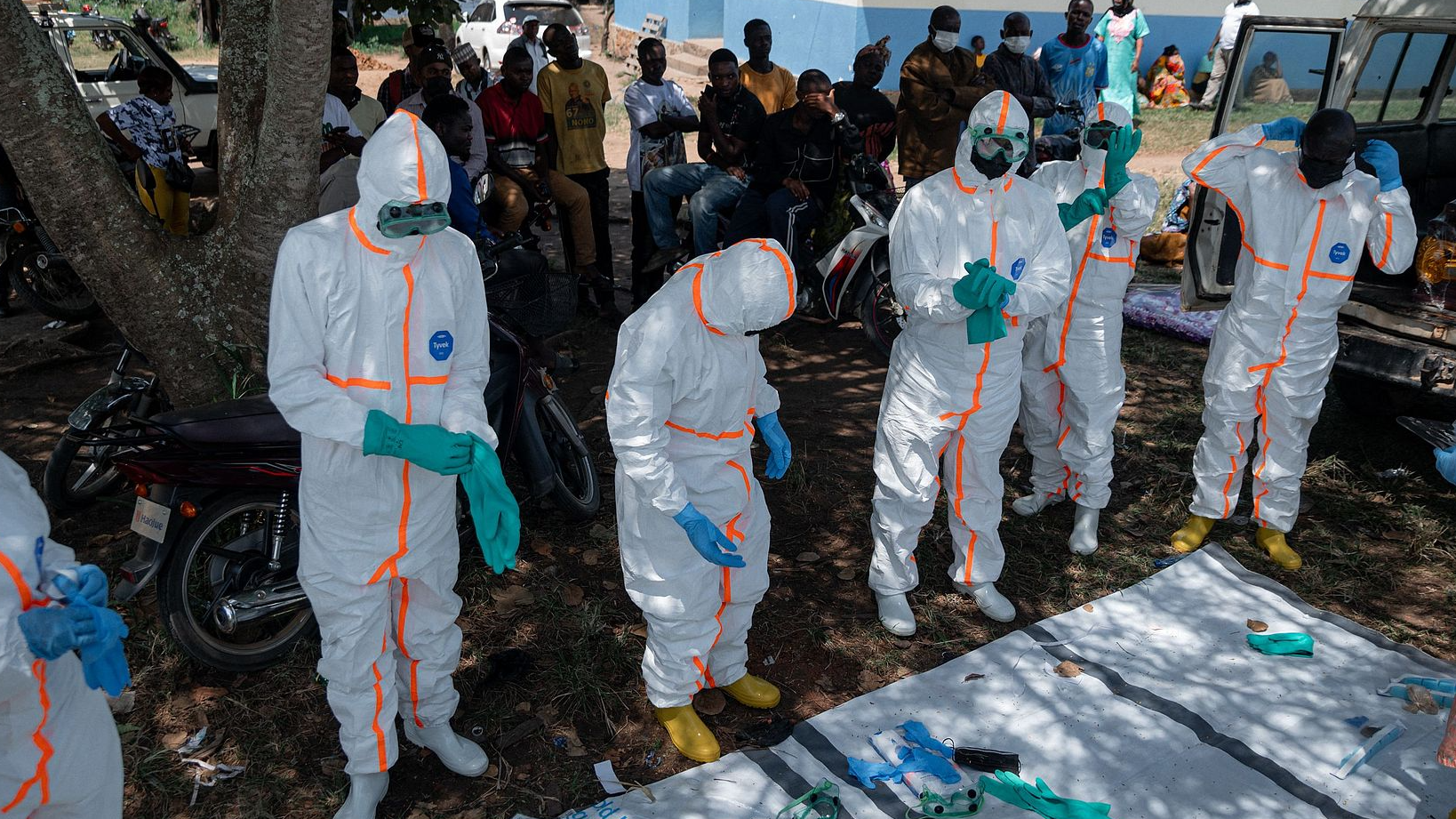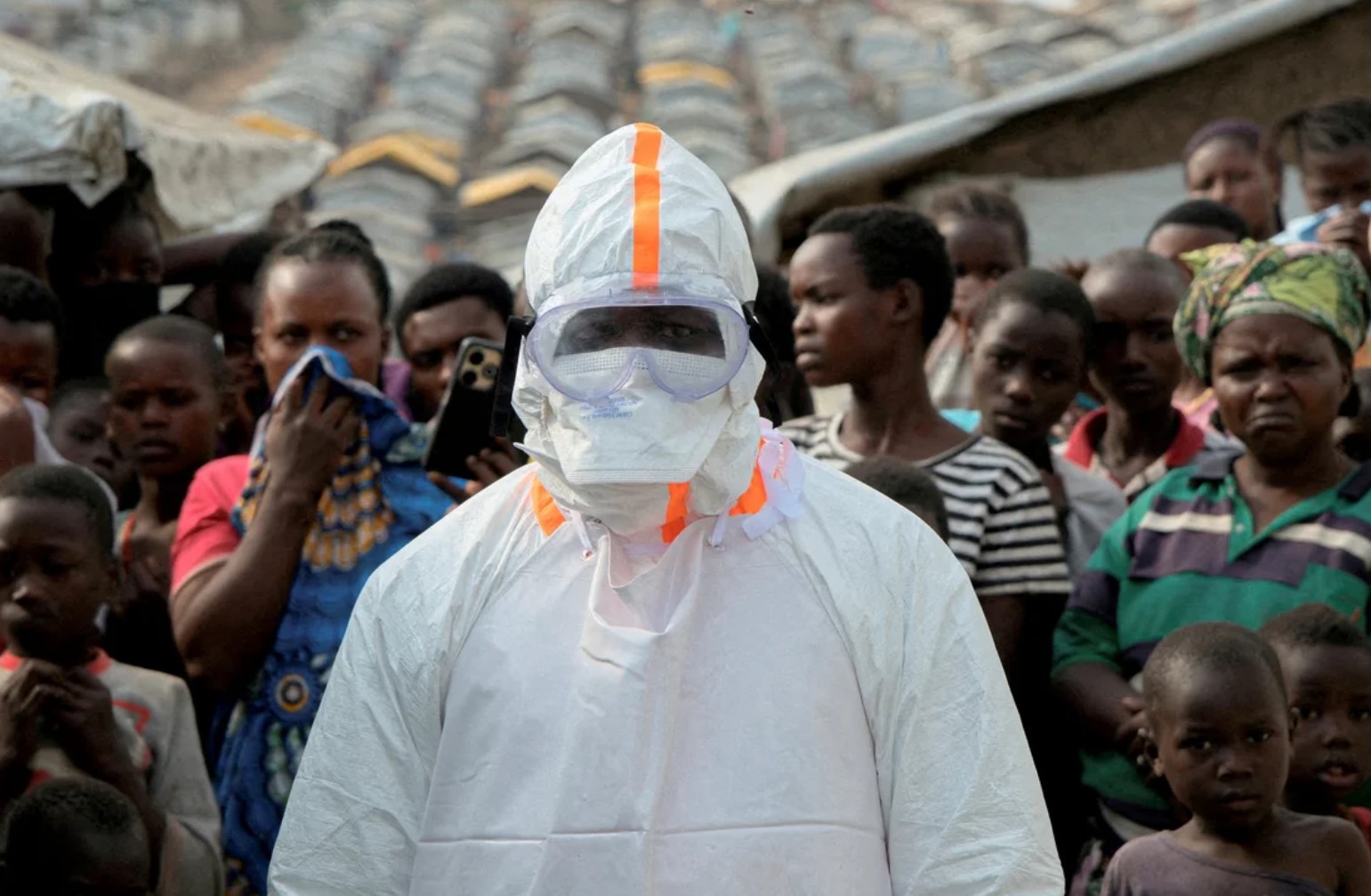
Health authorities across Africa are increasing disease surveillance and emergency preparedness measures following renewed concerns about the risk of Ebola outbreaks in parts of Central Africa. The World Health Organization (WHO) has urged governments to strengthen early detection systems, improve laboratory capacity and maintain rapid response teams to prevent local outbreaks from becoming wider regional health emergencies.
The warning comes as African countries continue to face pressure from recurring infectious disease threats, including Ebola, mpox, cholera and other emerging health challenges. Health experts say stronger preparation remains essential because delays in identifying and responding to outbreaks have historically contributed to higher infection rates and loss of lives.
Lessons From Previous Ebola Outbreaks
Ebola remains one of Africa’s most serious public health challenges, with previous outbreaks demonstrating how quickly the virus can affect communities when response systems are weak.
The largest Ebola outbreak in history occurred in West Africa between 2014 and 2016, affecting mainly Guinea, Liberia and Sierra Leone. The outbreak infected more than 28,000 people and caused over 11,000 deaths, according to WHO figures.
The crisis exposed weaknesses in healthcare systems, particularly shortages of medical personnel, limited laboratory capacity and insufficient emergency response infrastructure.
Since then, African governments and international health organisations have invested heavily in improving surveillance systems and building local expertise to respond faster when cases are detected.
Central Africa Remains a Focus Area
Countries in Central Africa, including the Democratic Republic of Congo (DRC), have experienced repeated Ebola outbreaks over the years.
The DRC has recorded more Ebola outbreaks than any other country, with previous emergencies affecting provinces including North Kivu, Ituri and Équateur.
Health authorities have strengthened response strategies through vaccination campaigns, community education programmes and improved coordination between national health agencies and international partners.
The use of the Ervebo Ebola vaccine, which was approved by health authorities after successful trials, has become one of the most important tools in controlling outbreaks.
Why Early Detection Matters
Health specialists say the biggest factor in controlling Ebola is speed.
The virus spreads through direct contact with infected bodily fluids, meaning that rapid identification of cases, isolation of patients and tracing of contacts can significantly reduce transmission.
Dr Tedros Adhanom Ghebreyesus, Director-General of the WHO, has repeatedly emphasised that strong health systems are the foundation of global health security.
According to WHO, countries with effective surveillance systems are better positioned to identify unusual disease patterns before they become large-scale emergencies.
Africa Strengthens Health Security Systems
Following the COVID-19 pandemic, many African countries have increased investment in public health infrastructure.