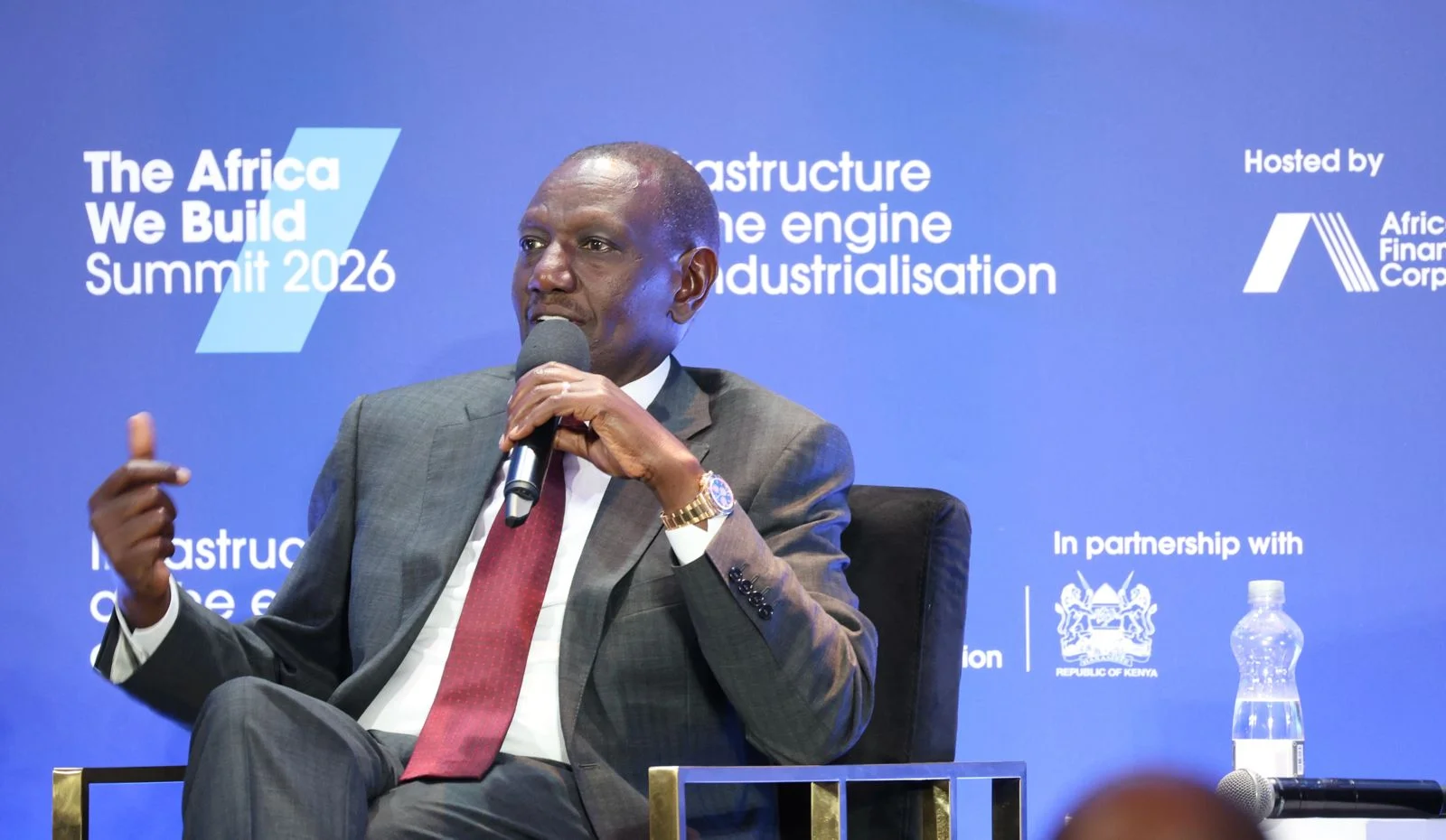
When William Ruto became President of Kenya in September 2022, his victory was built around a powerful political message: that ordinary Kenyans, especially young people and small business owners, deserved a bigger place in the country’s economy. His “hustler” movement connected with millions of citizens who felt ignored by Kenya’s traditional political establishment.
For many young Kenyans, Ruto represented the possibility of change. He spoke directly to a generation facing unemployment, rising living costs and limited economic opportunities. His promise was not simply political power; it was economic empowerment.
Nearly four years into his presidency, the question facing Kenya is whether that promise has translated into real improvements for the young population that supported him.
The President of the Hustlers
William Ruto’s political identity was built around the idea that Kenya’s economy should work for ordinary citizens rather than only established businesses and political elites.
During his 2022 campaign, he positioned himself as a leader who understood the struggles of small traders, farmers, young entrepreneurs and informal workers. His bottom-up economic model promised to support millions of Kenyans operating outside the formal economy.
The message was effective because it reflected a reality many young Kenyans understood. Kenya has one of Africa’s most youthful populations, with more than 75% of its population below the age of 35, according to demographic estimates.
However, youthfulness alone does not guarantee economic opportunity.
Every year, hundreds of thousands of young Kenyans enter the labour market, creating enormous pressure on the government to generate jobs, expand industries and provide pathways for entrepreneurship.
Economic Reforms Versus Public Expectations
One of Ruto’s biggest challenges has been balancing economic reforms with public expectations.
His administration inherited a country facing significant debt pressure, high public spending and economic challenges worsened by global inflation. To address these issues, the government introduced reforms aimed at increasing government revenue and reducing borrowing.
However, some of these measures, particularly new taxes introduced through the Finance Act, triggered widespread criticism from citizens who argued that the cost of living was already too high.
In 2024, thousands of young Kenyans participated in nationwide protests, particularly through online movements led by Generation Z activists. The demonstrations showed a new reality in Kenyan politics: young citizens were becoming more organised, more vocal and less willing to accept traditional political promises without results.
The protests forced the government to reconsider some proposals and highlighted the growing influence of Kenya’s youth movement.
The Employment Challenge Remains
The biggest test of Ruto’s presidency may not be political popularity but employment creation.
Kenya has invested heavily in technology, entrepreneurship programmes and digital opportunities. Initiatives such as the Hustler Fund, launched in 2022, were designed to provide affordable financing to small businesses and individuals who struggled to access traditional banking services.
The fund has attracted millions of users, with billions of Kenyan shillings disbursed to borrowers.
Supporters argue that such programmes provide important financial support for small entrepreneurs. Critics, however, say access to small loans alone cannot solve Kenya’s deeper employment challenges.
Young people need more than credit. They need industries capable of creating stable jobs.
Technology, manufacturing, agriculture, tourism and creative industries will all need to expand if Kenya wants to absorb its growing workforce.