Zimbabwe is taking another major step towards becoming one of Africa’s leading suppliers of battery minerals after announcing plans to expand lithium exports through improved railway connections to the Port of Maputo in Mozambique. The development is expected to reduce transportation costs, improve export efficiency and strengthen Zimbabwe’s position in the global clean energy supply chain.
The move comes as demand for lithium continues to rise worldwide due to the rapid growth of electric vehicles, renewable energy storage systems and battery manufacturing. Zimbabwe, which holds some of Africa’s largest lithium reserves, is seeking to increase its role in a market that has become strategically important for the global energy transition.
Rail Infrastructure to Support Lithium Exports.
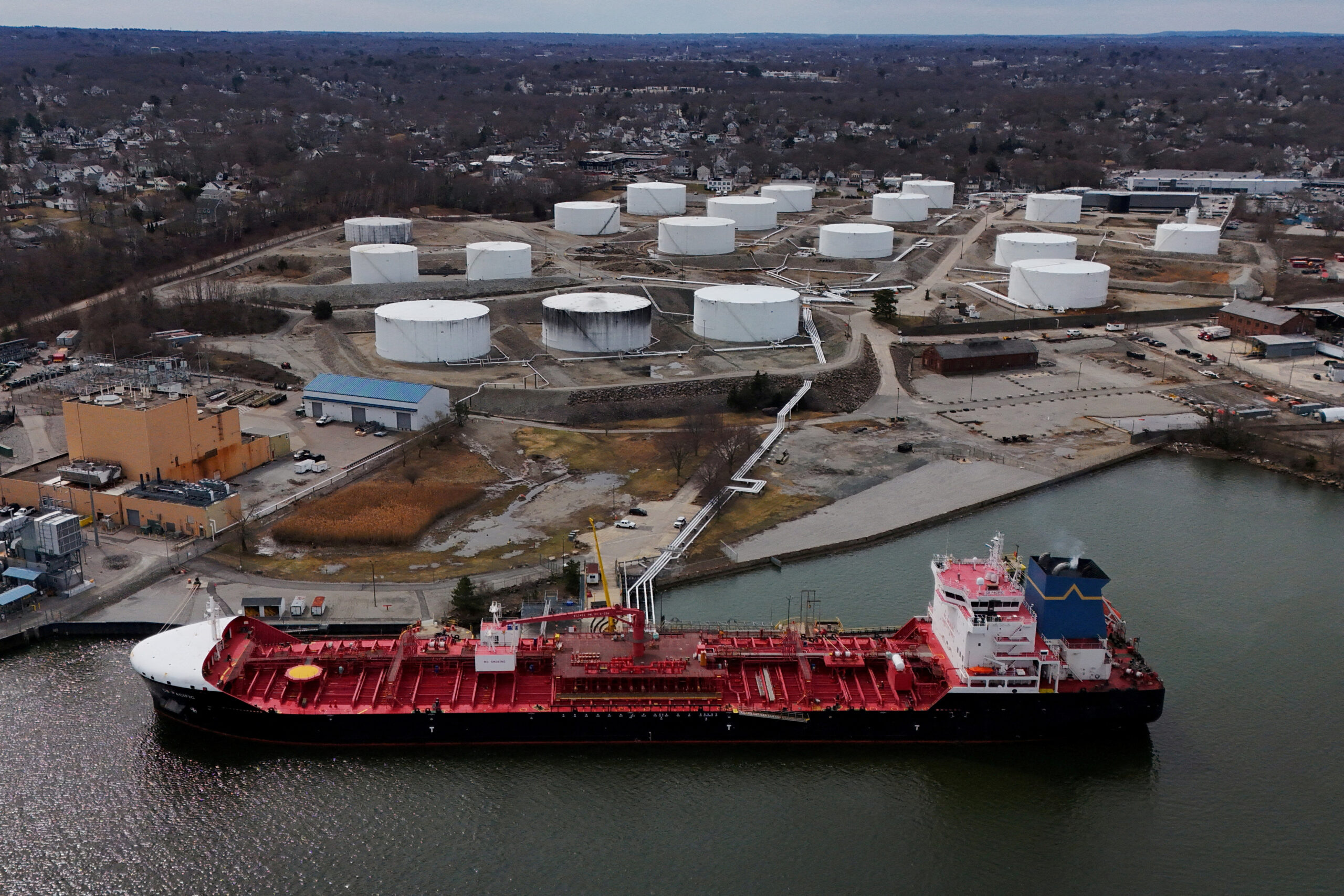
Zimbabwe’s railway authorities are working with private logistics operators to increase the use of rail transport for moving lithium concentrate from mining areas to Mozambique’s Maputo Port.
For years, mining companies in Zimbabwe have depended heavily on road transportation to move minerals, a process that is expensive and affected by infrastructure challenges. The introduction of more reliable rail routes is expected to lower logistics costs and make Zimbabwean minerals more competitive internationally.
The route through Mozambique provides Zimbabwe with access to one of the region’s most important export corridors, connecting inland mining operations with global markets.
Lithium Becomes Zimbabwe’s Strategic Mineral.
Lithium has become one of Zimbabwe’s most valuable natural resources.
The country is estimated to have the largest lithium reserves in Africa and ranks among the world’s top producers. Major international mining companies have invested heavily in Zimbabwe’s lithium sector, attracted by the country’s significant deposits and growing global demand.
Companies including Huayou Cobalt, Sinomine Resource Group, Chengxin Lithium Group and Zhejiang Huayou have invested billions of dollars into lithium mining and processing projects in the country.
Zimbabwe’s government has identified lithium as a key driver of economic growth and has introduced policies aimed at encouraging local processing rather than simply exporting raw minerals.
Moving Beyond Raw Mineral Exports.
Zimbabwe has been working to transform its mining sector by encouraging companies to process minerals locally.
In 2022, the government banned the export of unprocessed lithium ore, arguing that the country should capture more value from its natural resources instead of allowing other countries to benefit from processing activities.
Officials have encouraged mining companies to build processing facilities inside Zimbabwe, creating jobs and increasing revenue from mineral exports.
The goal is to ensure that Zimbabwe participates in more profitable stages of the lithium supply chain, including refining and battery-related manufacturing.
Global Demand for Lithium Continues to Rise.
Lithium has become a critical mineral because it is essential for producing rechargeable batteries used in electric vehicles, smartphones and renewable energy storage systems.
Countries across the world are competing to secure reliable supplies as they transition away from fossil fuels and invest in cleaner energy technologies.